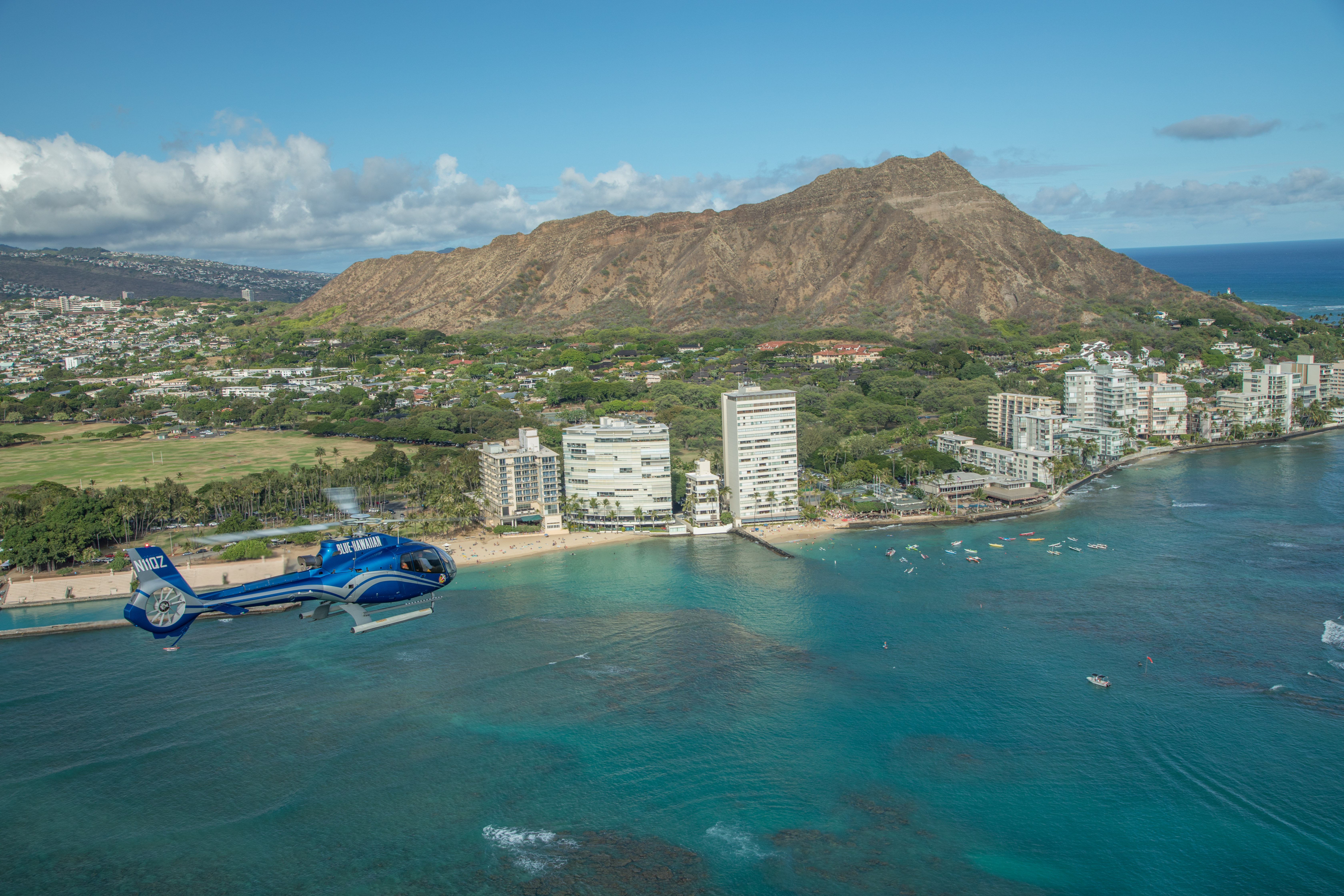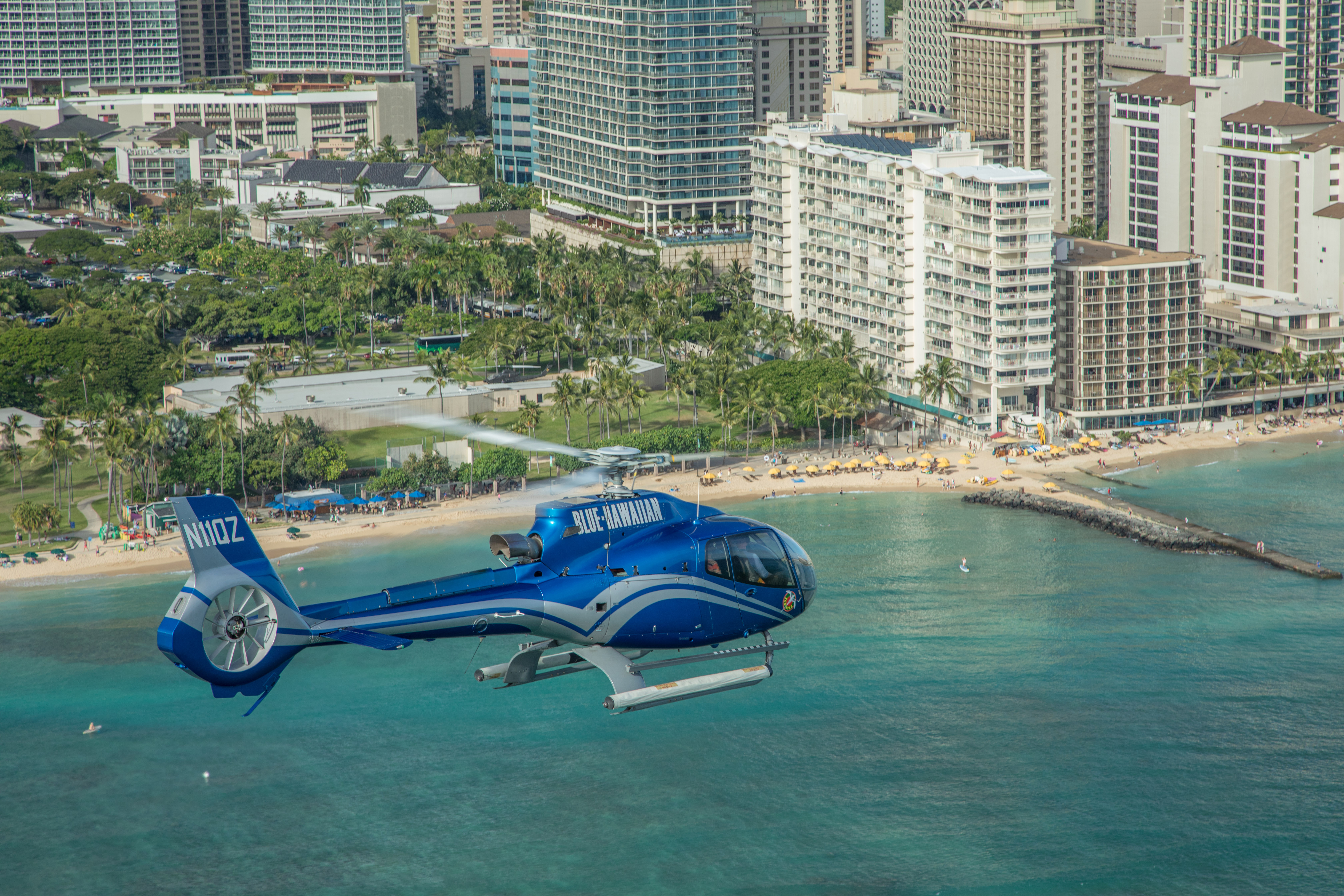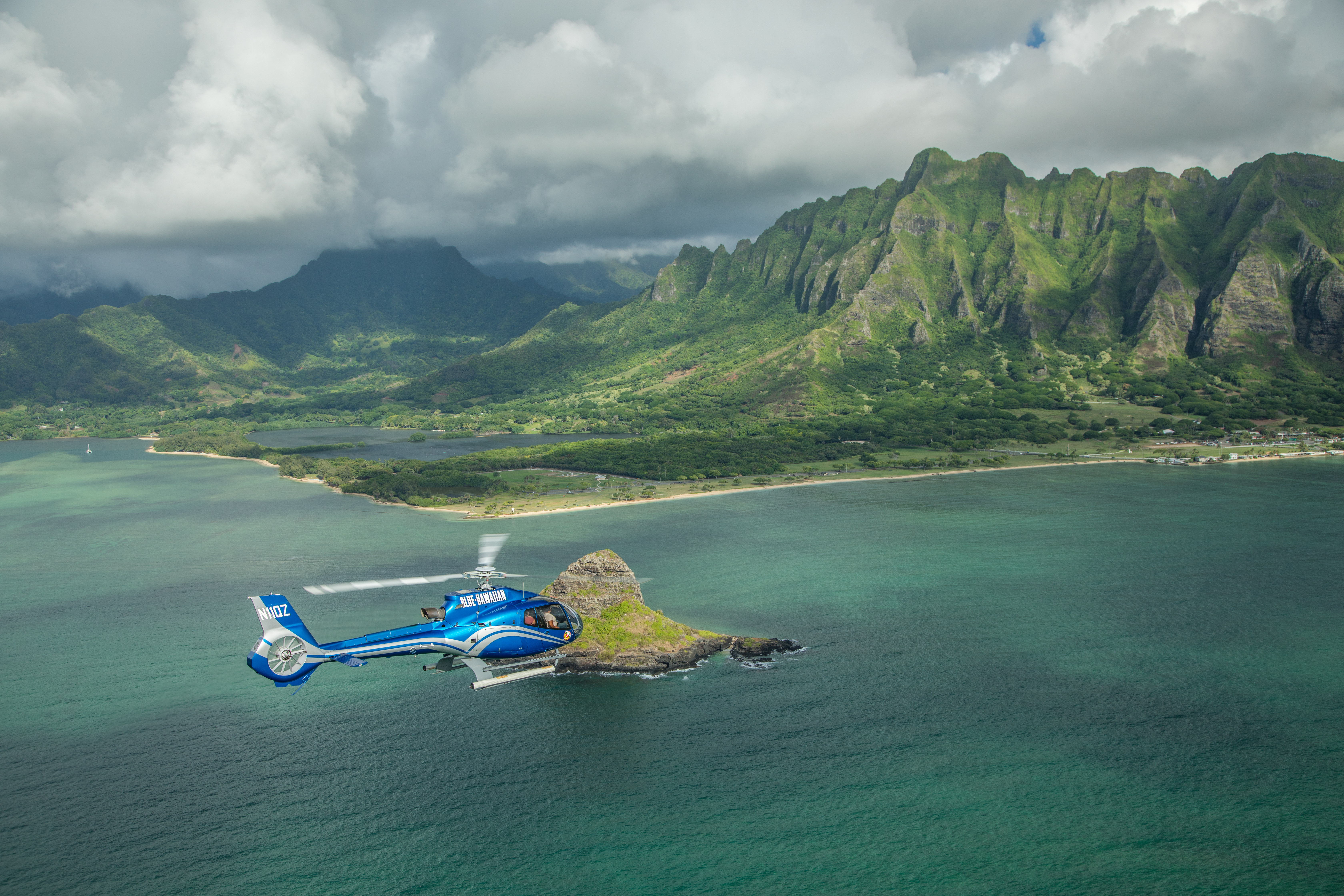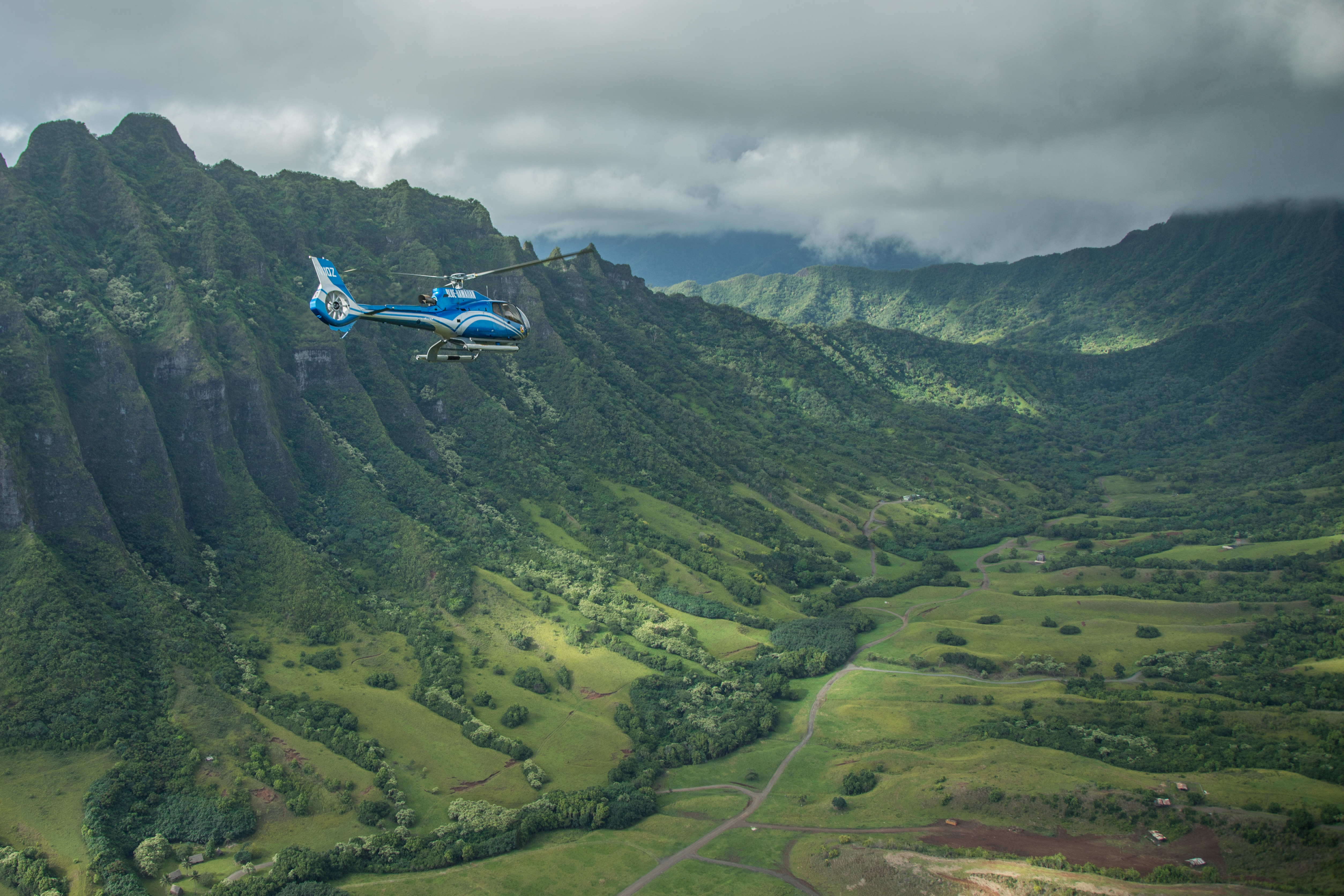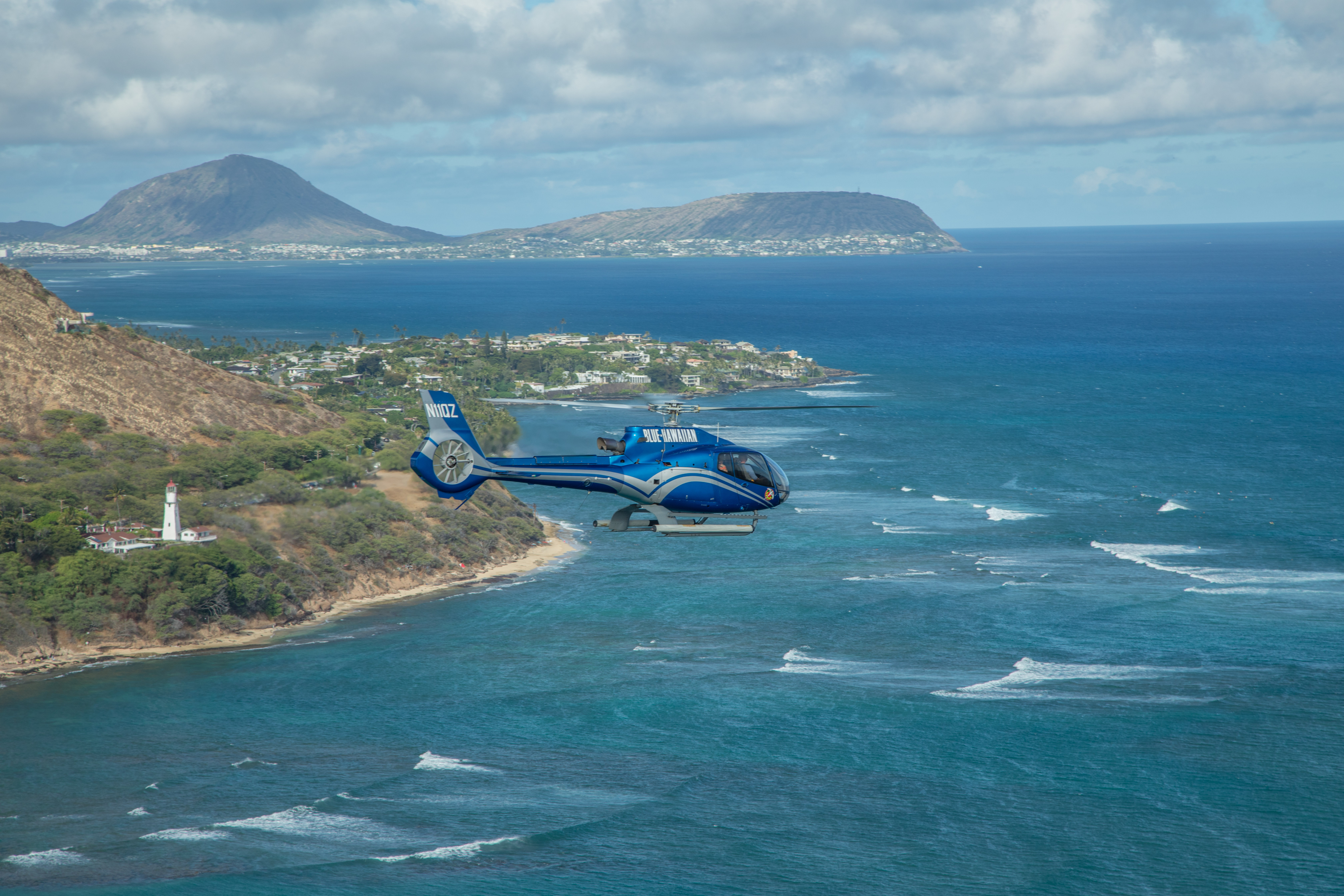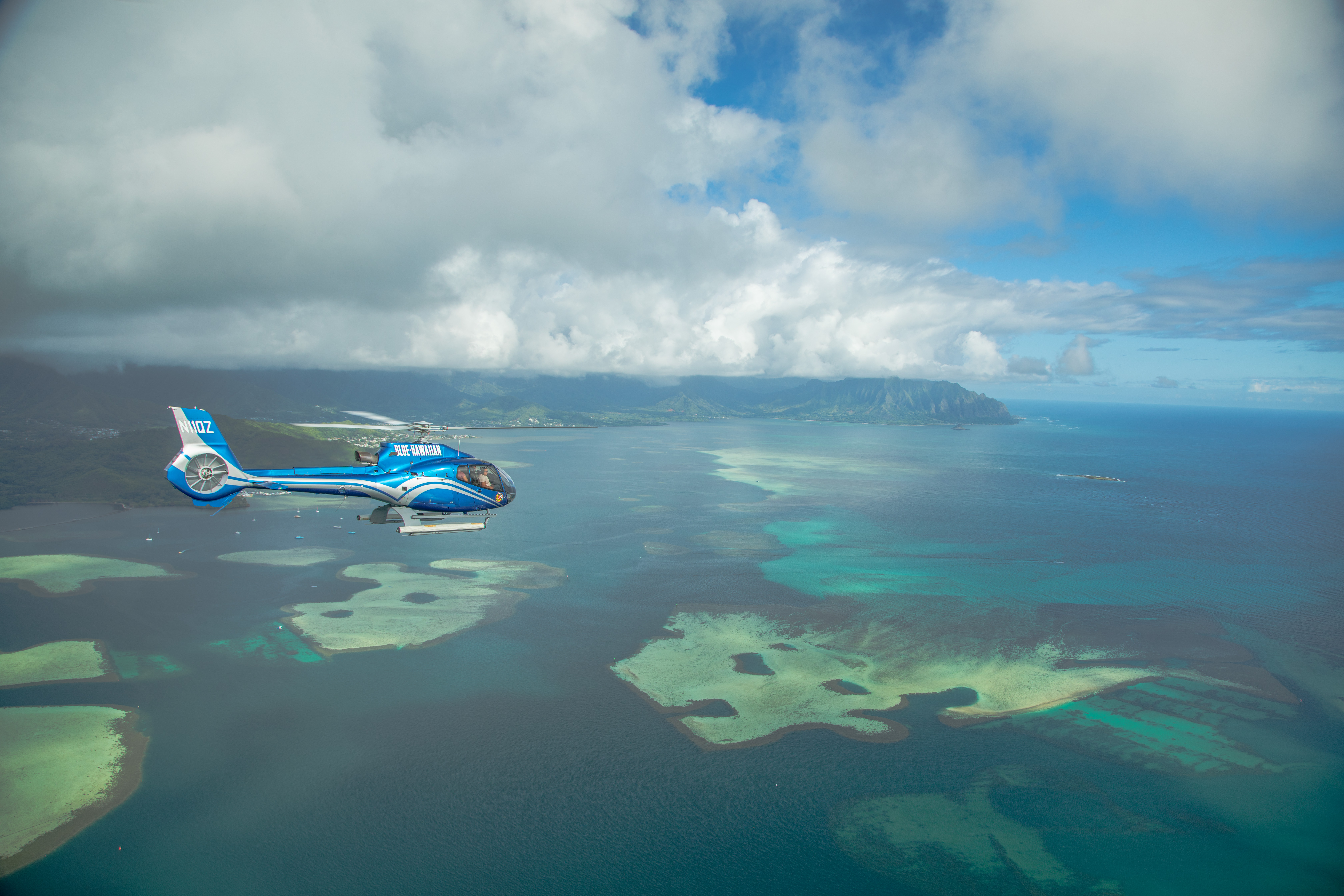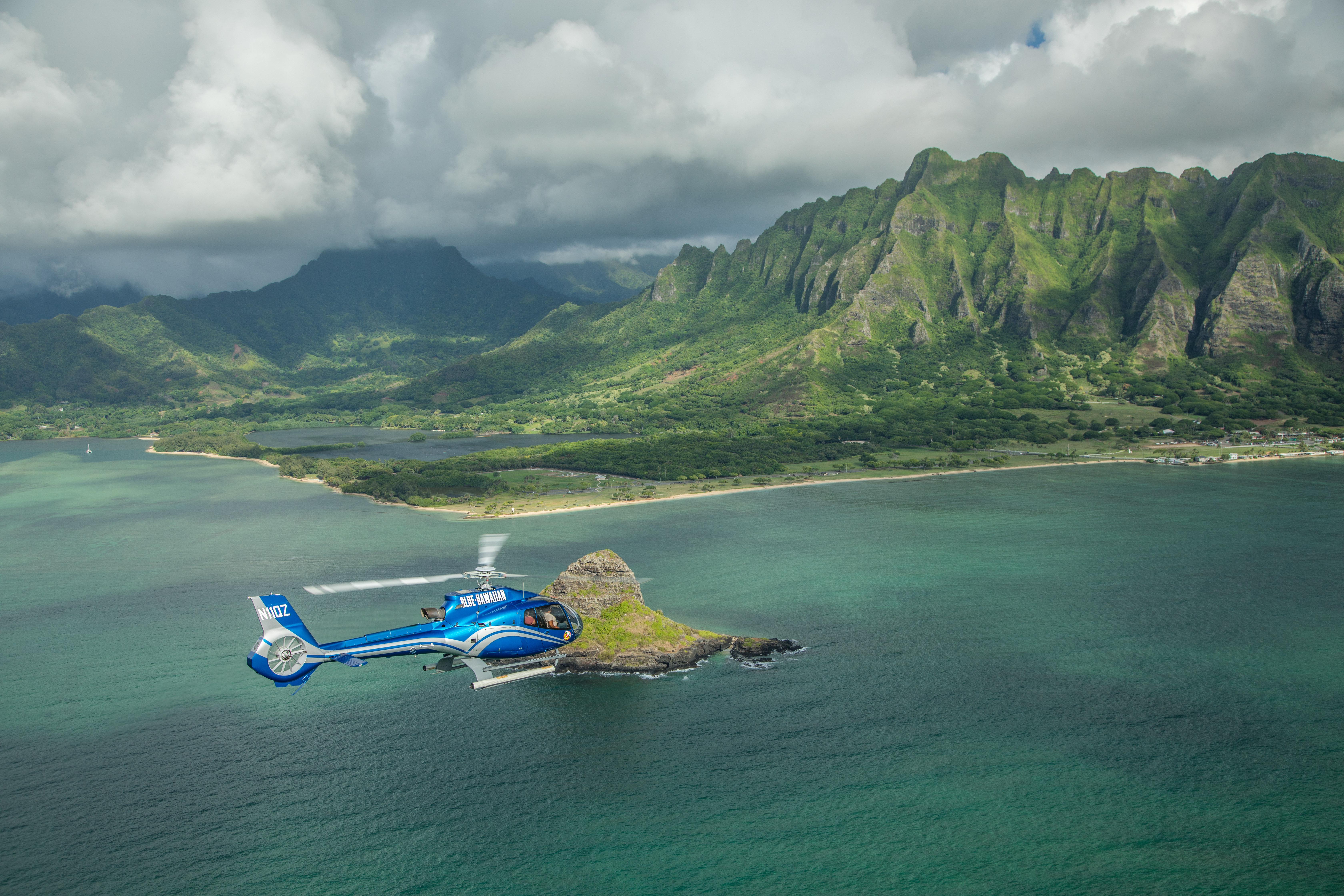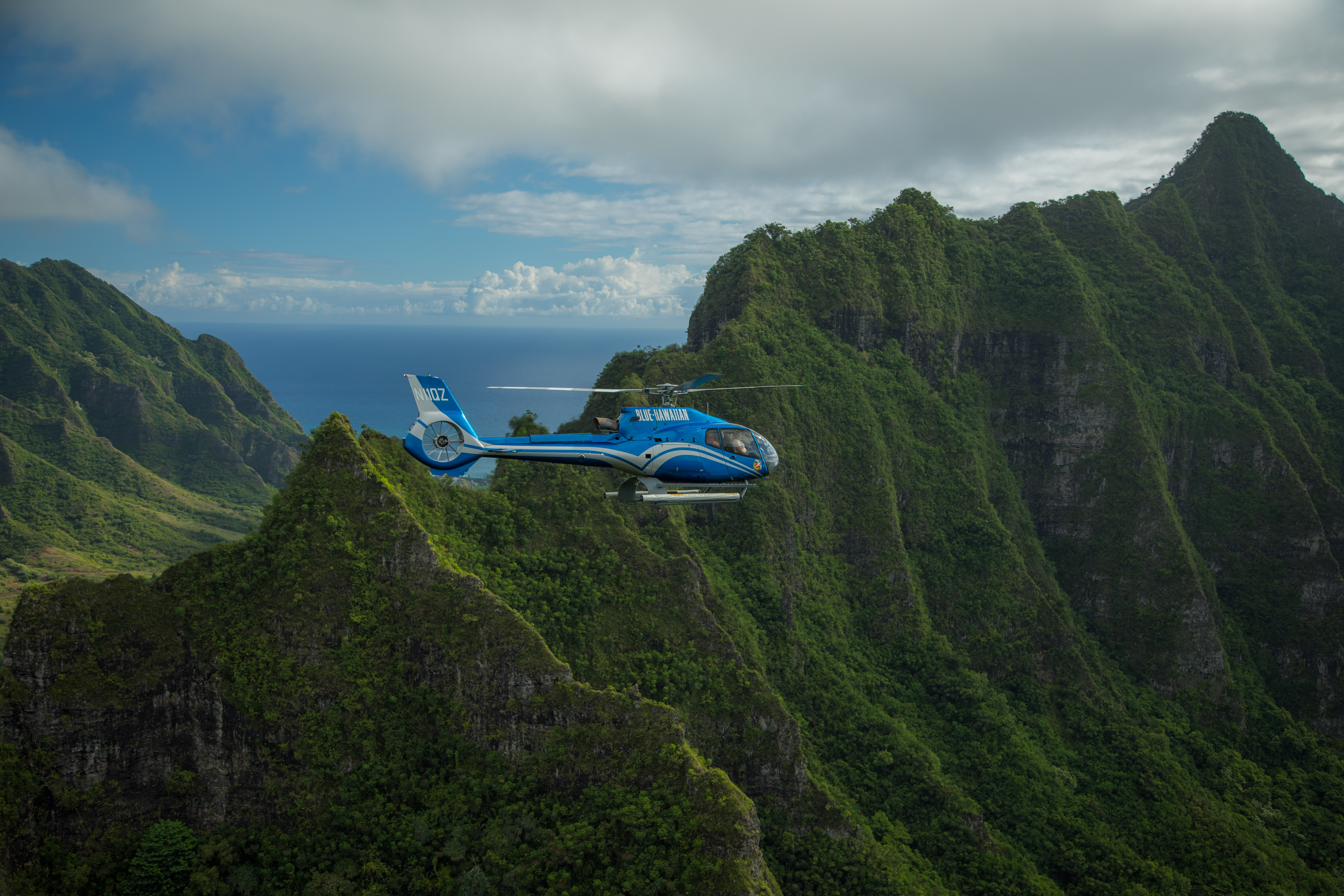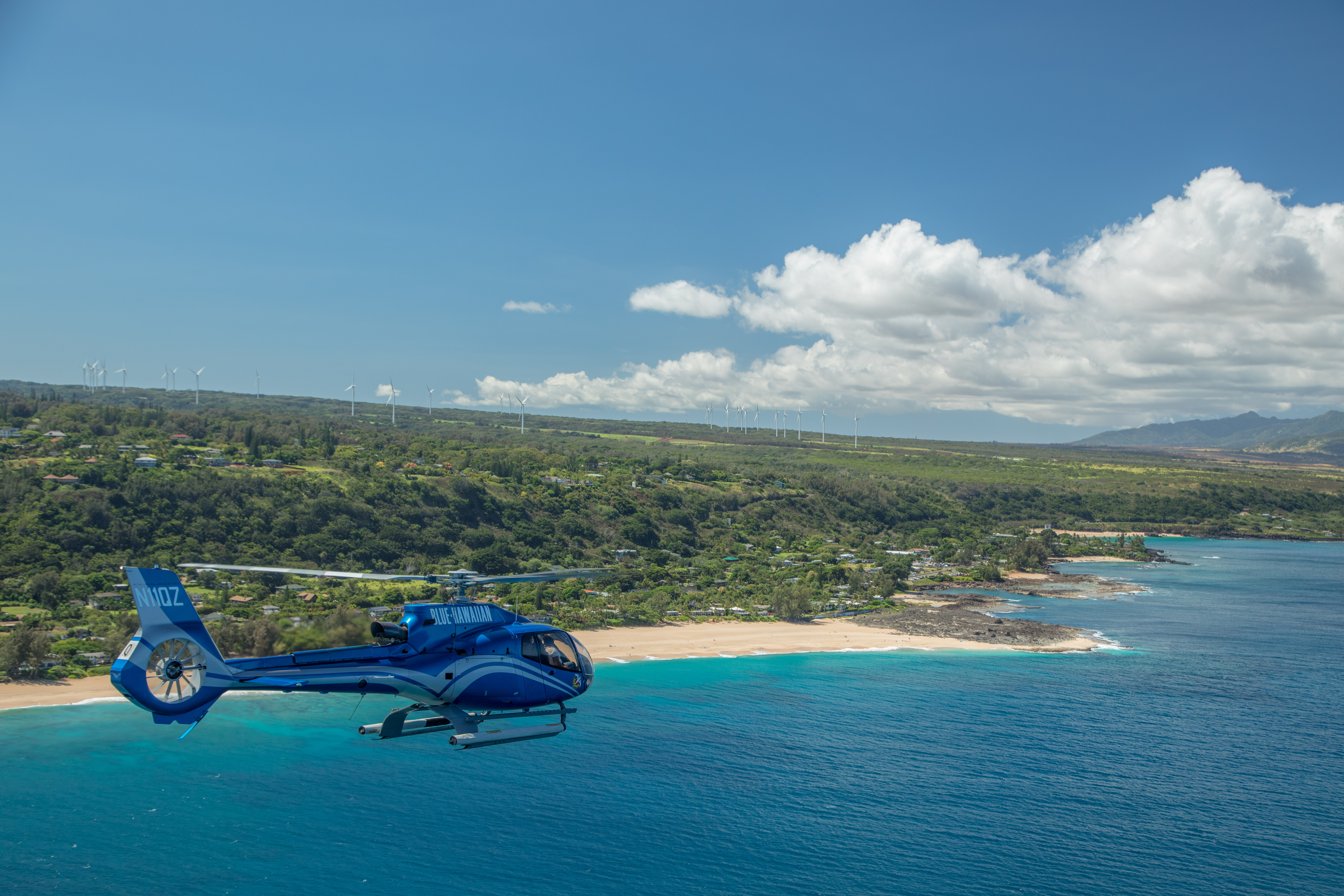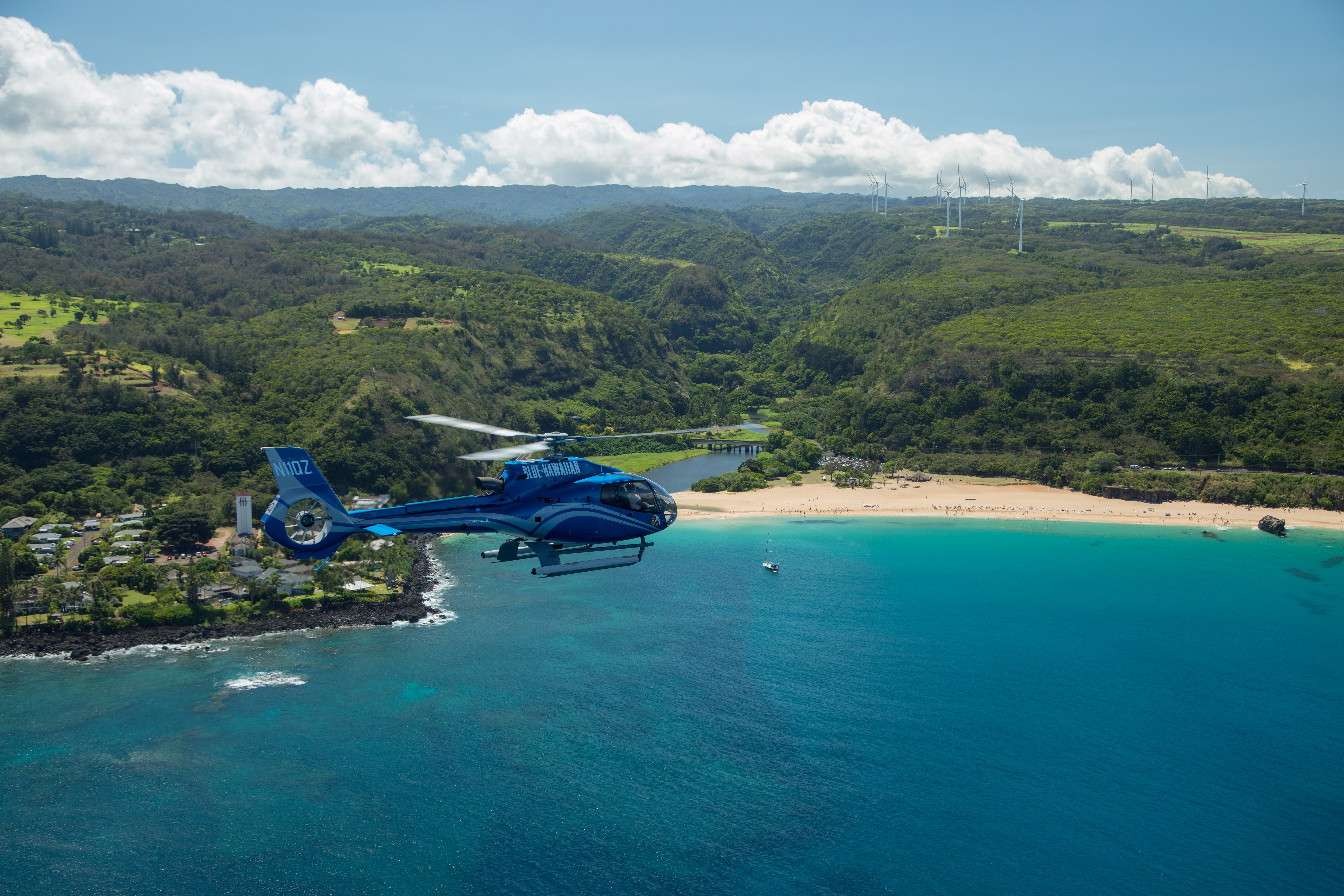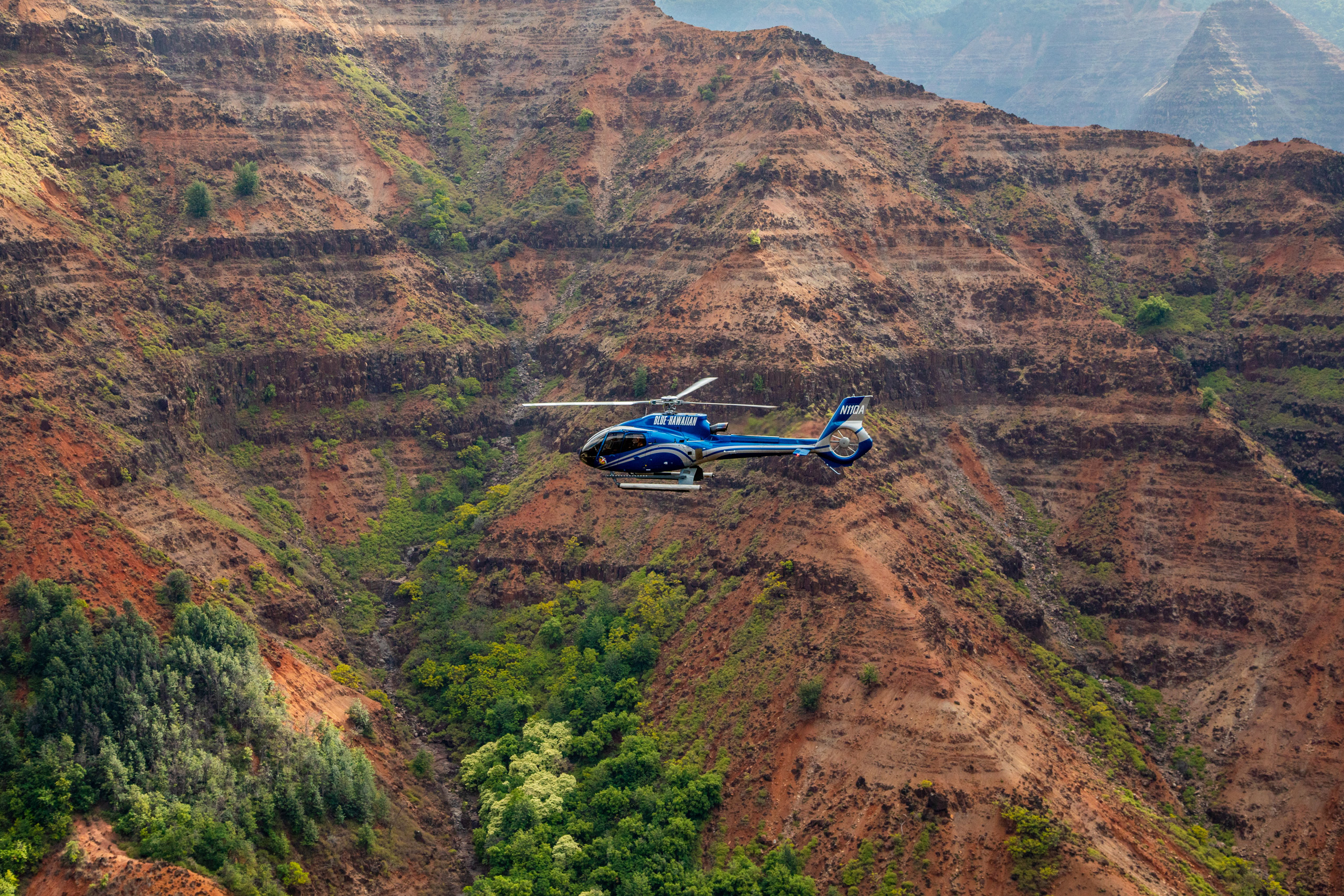
The tour of a lifetime, every time.
Hawaii's air-tour leader for 35 years.
Hawaii's air-tour leader for 35 years.
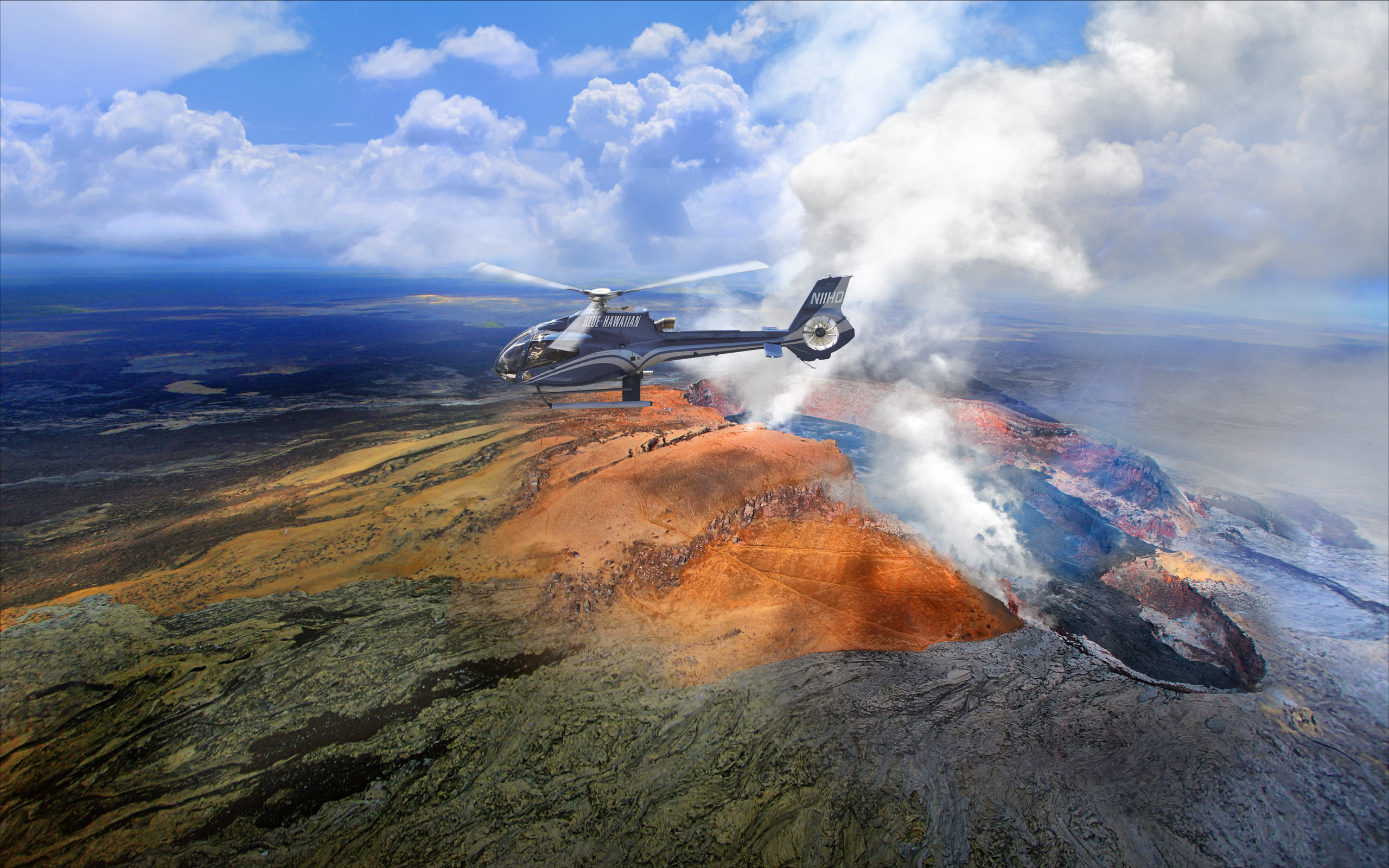
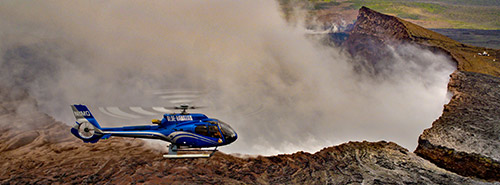
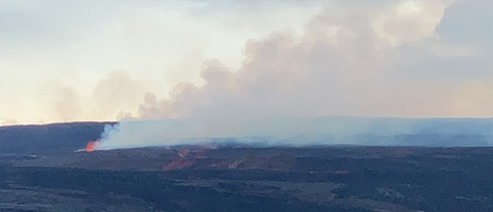
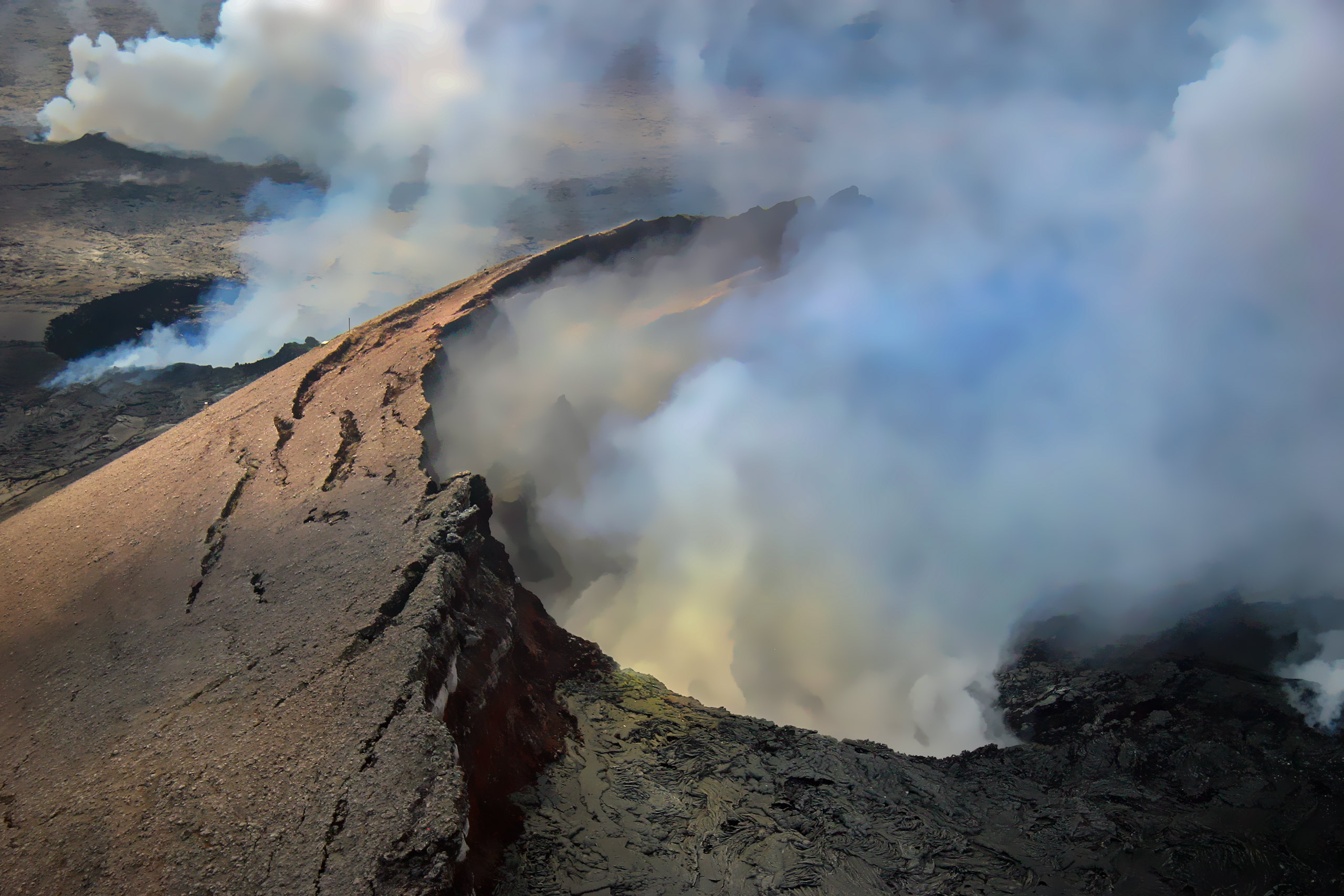
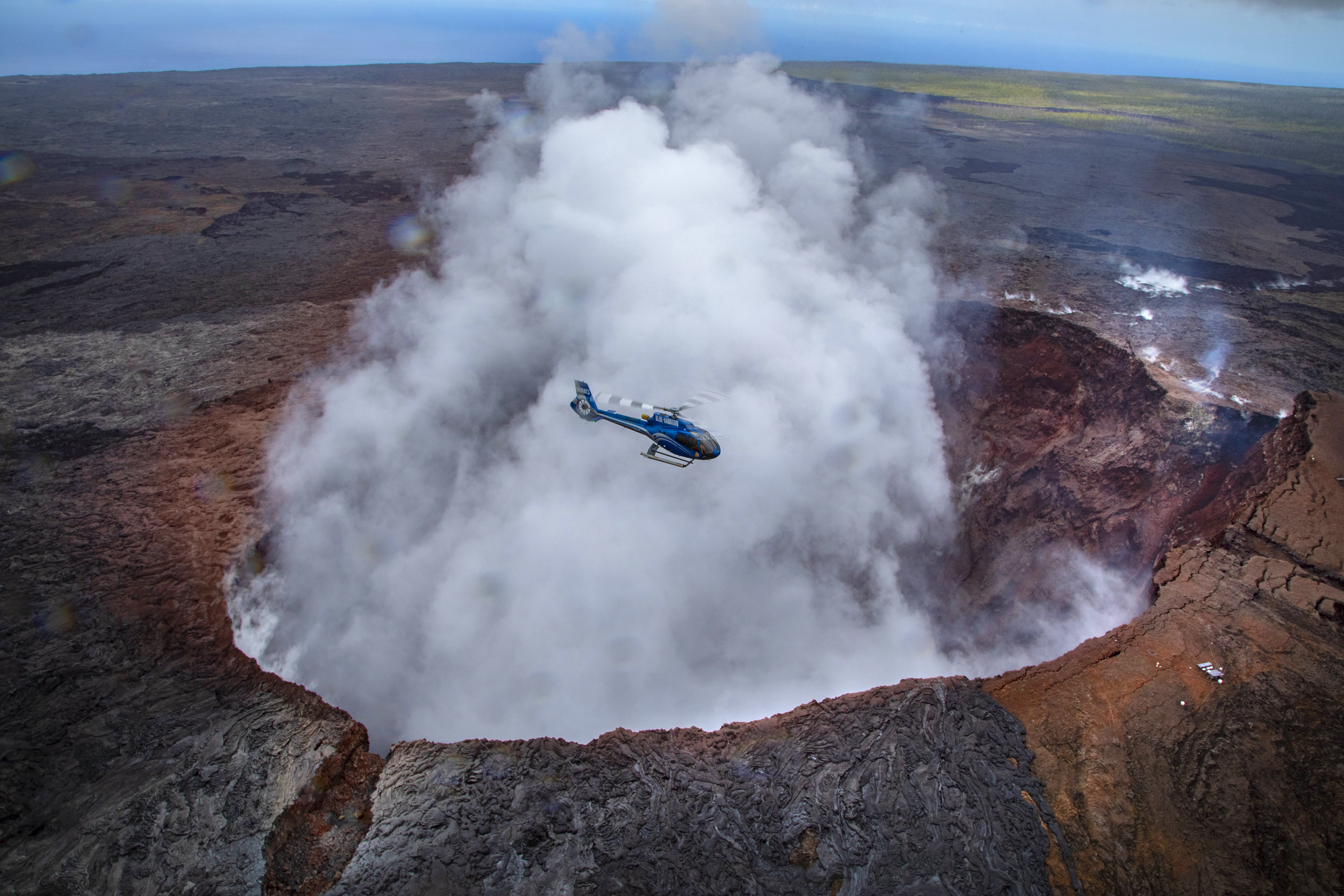
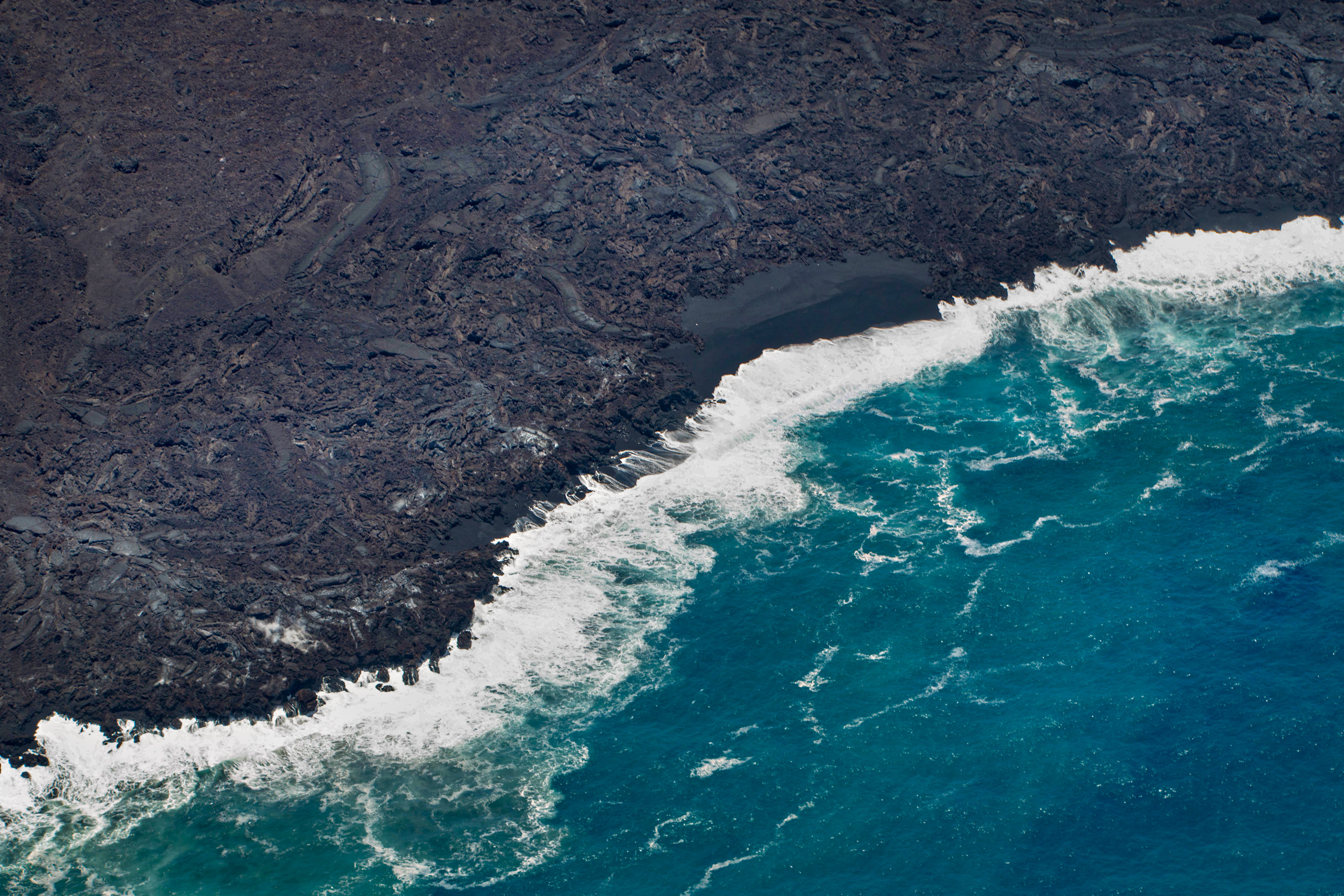
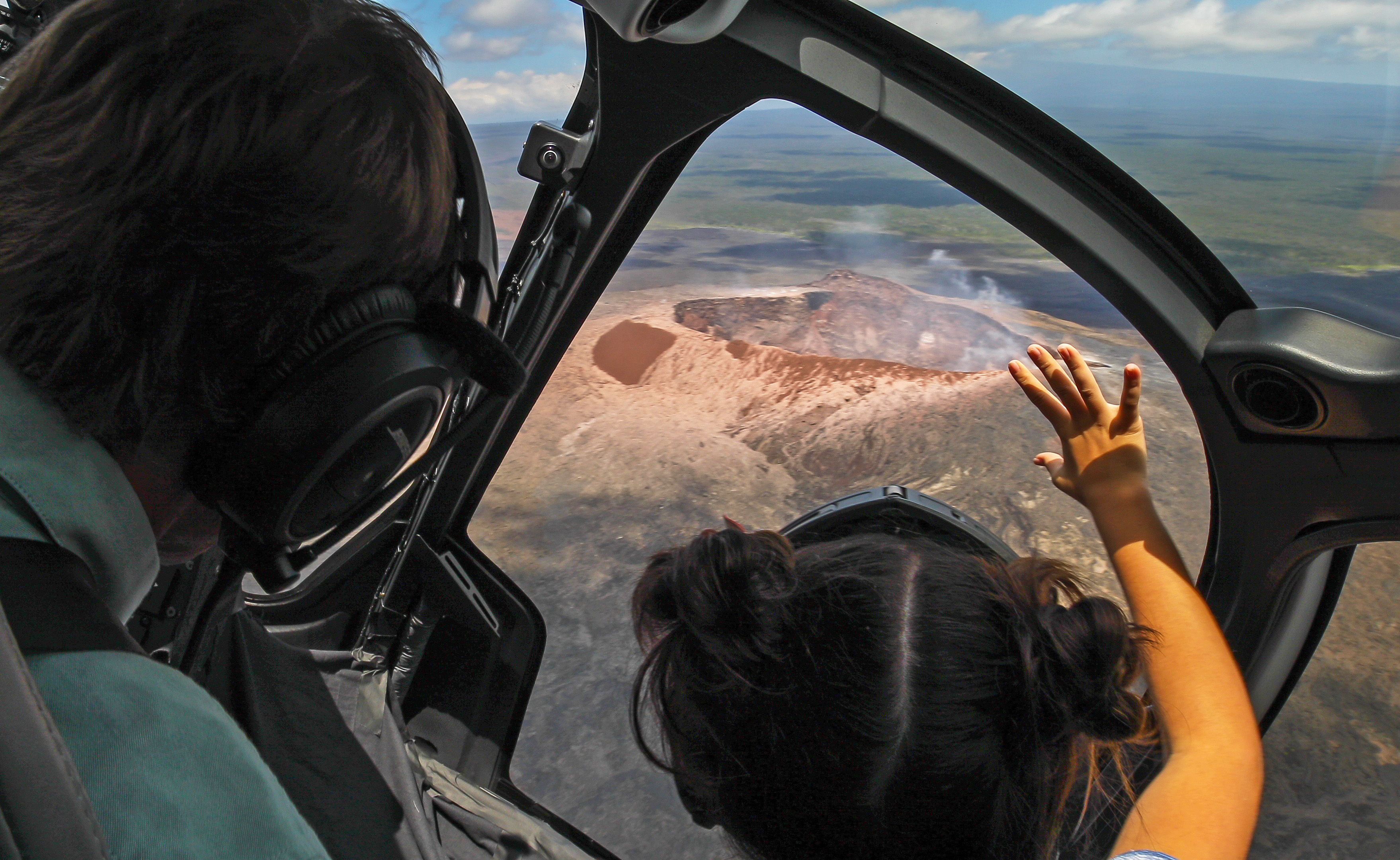
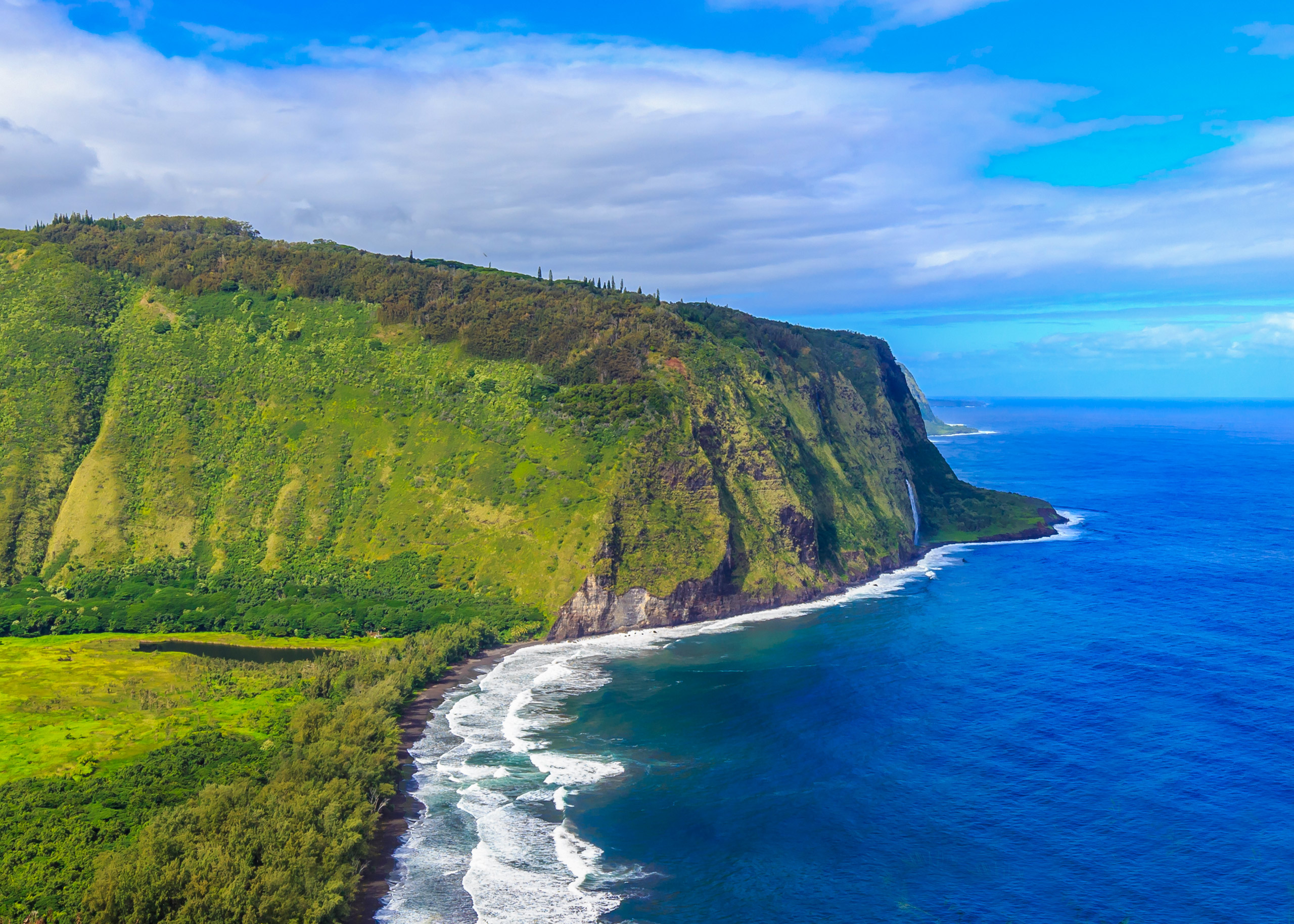
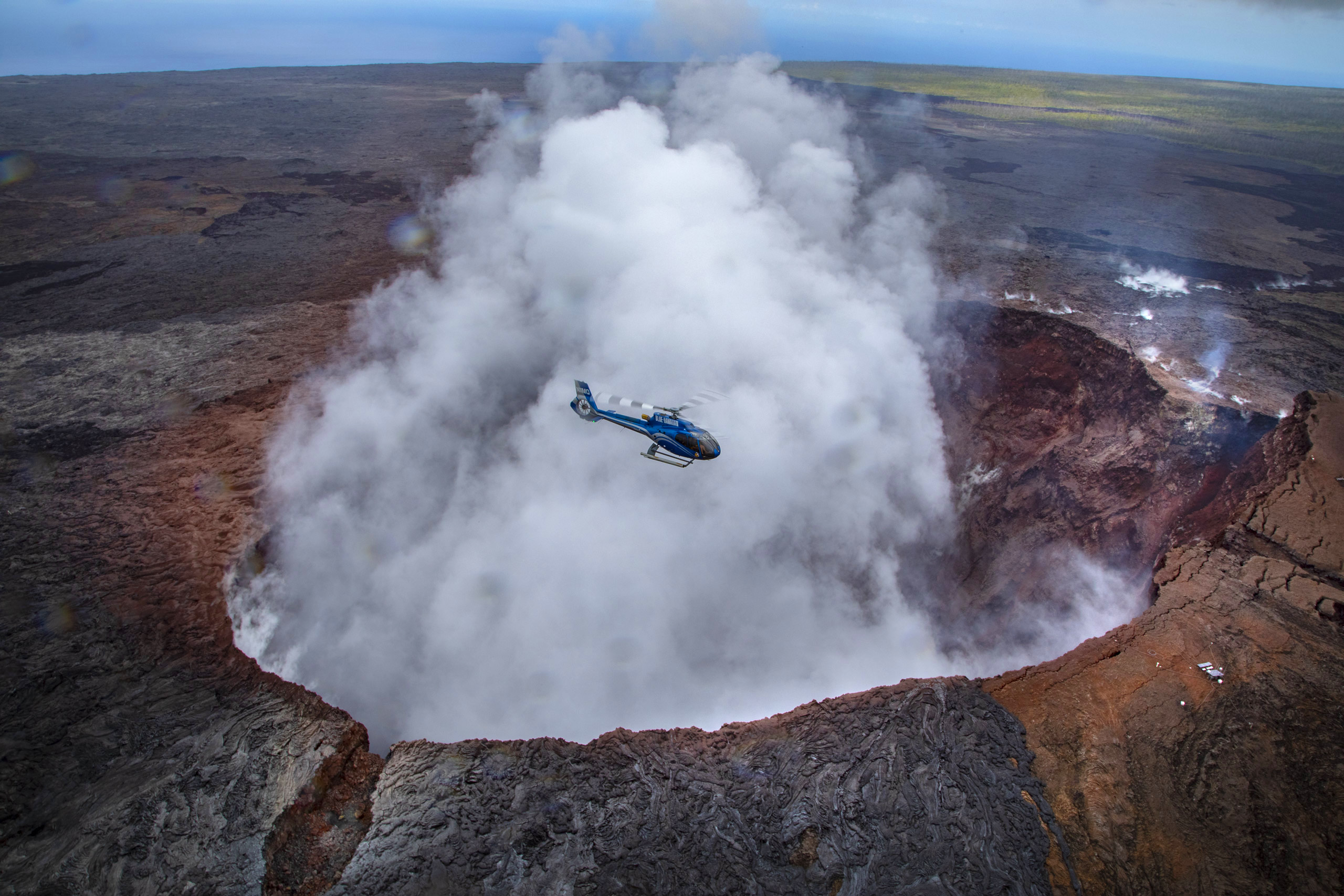
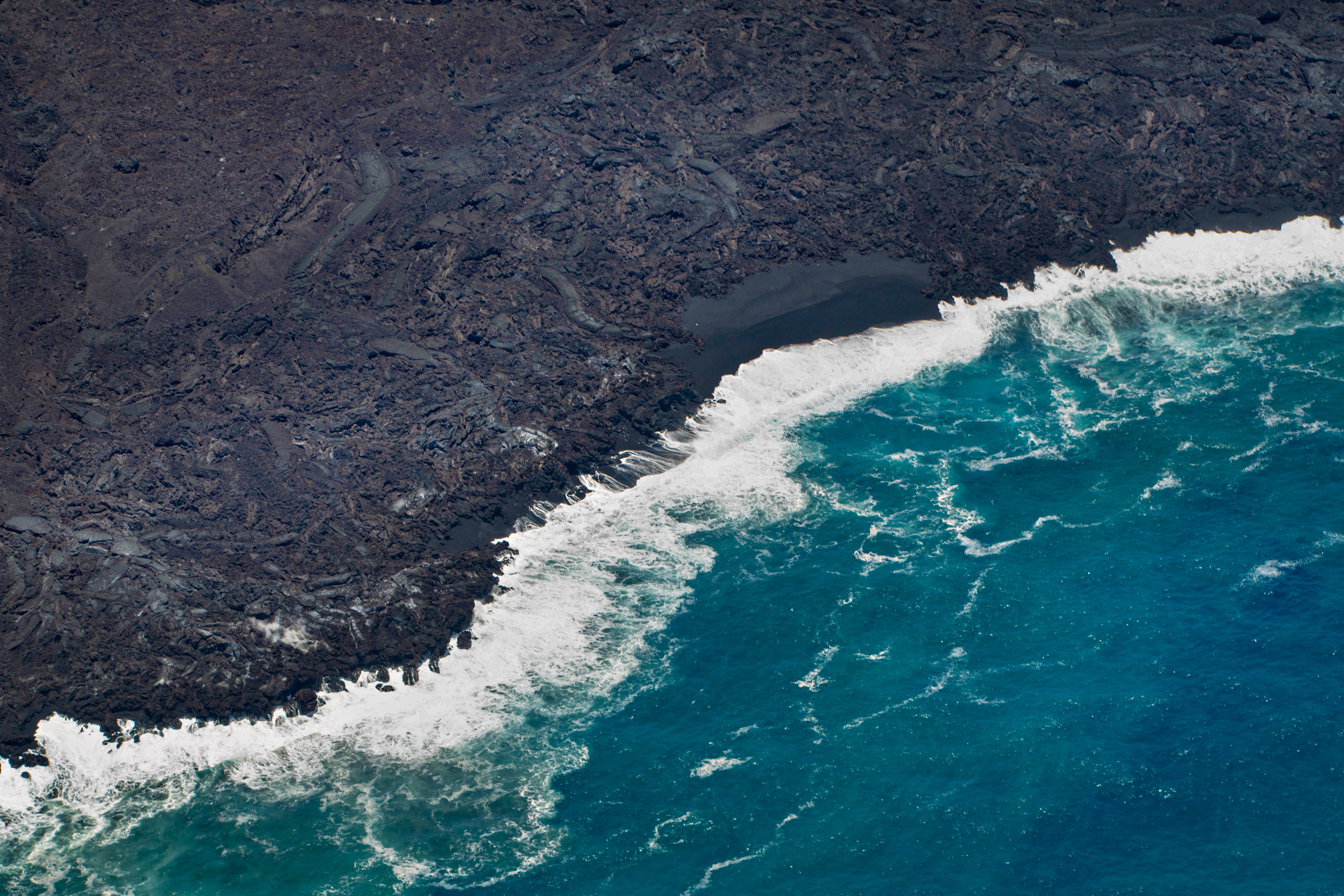
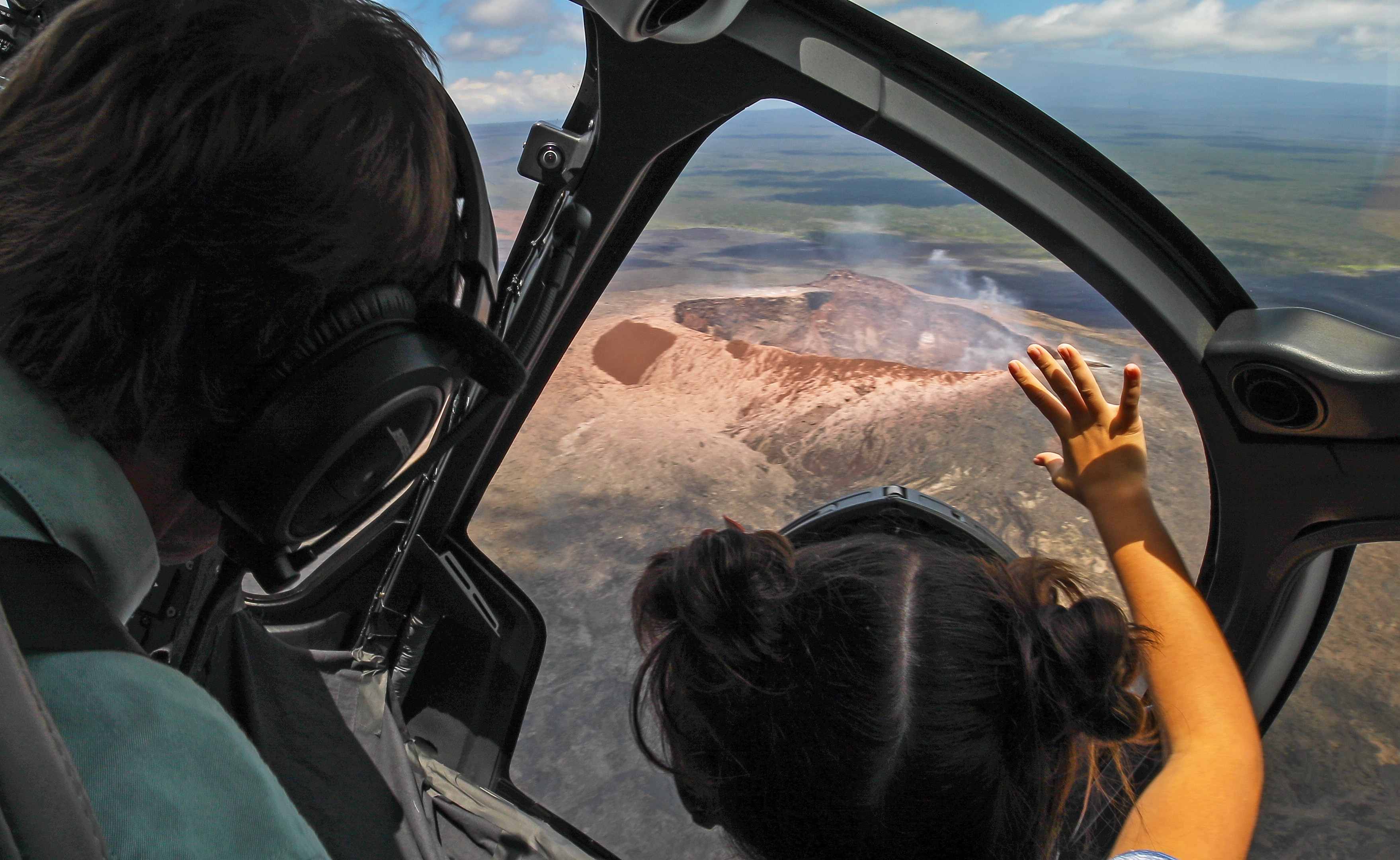
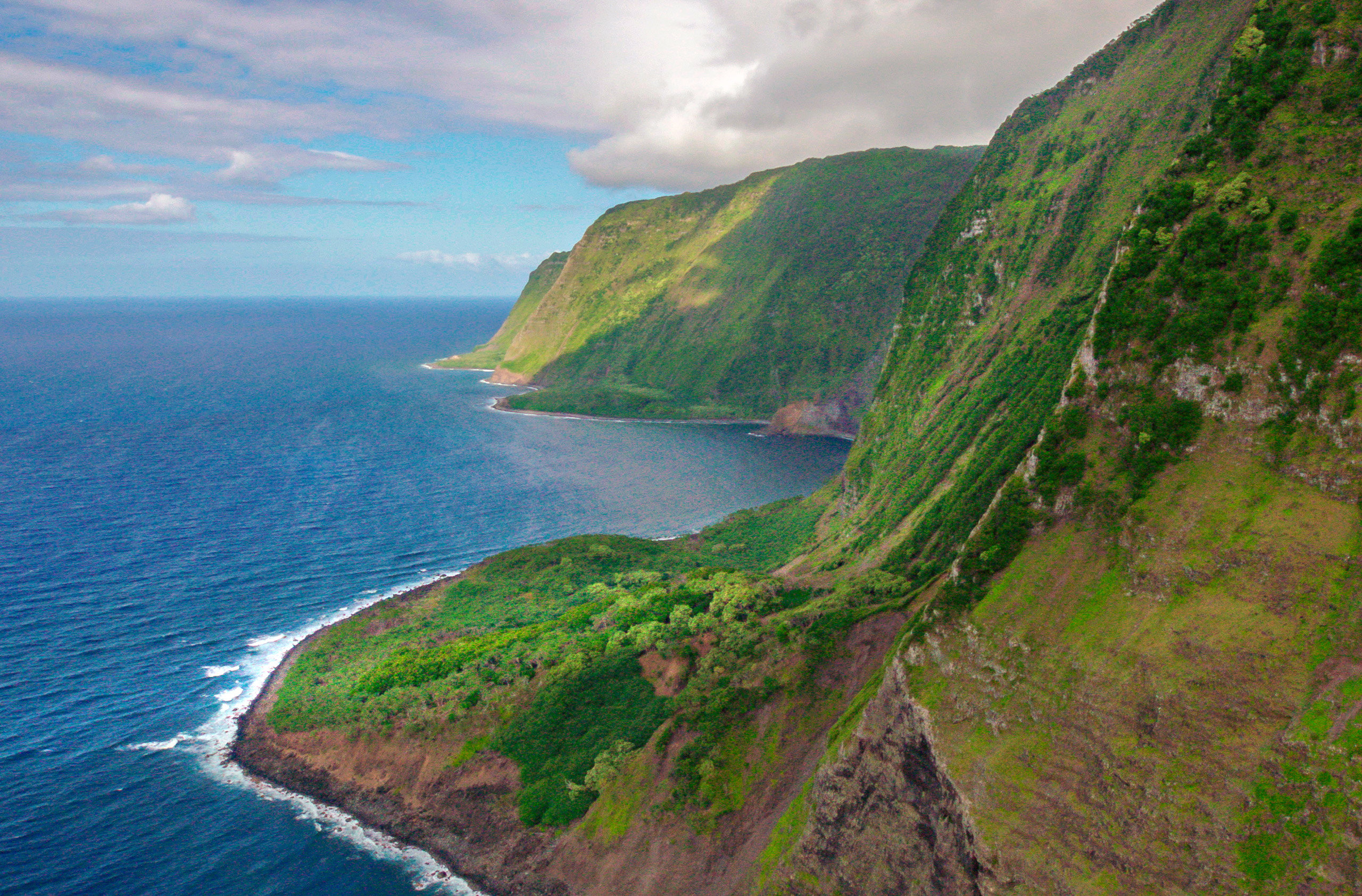
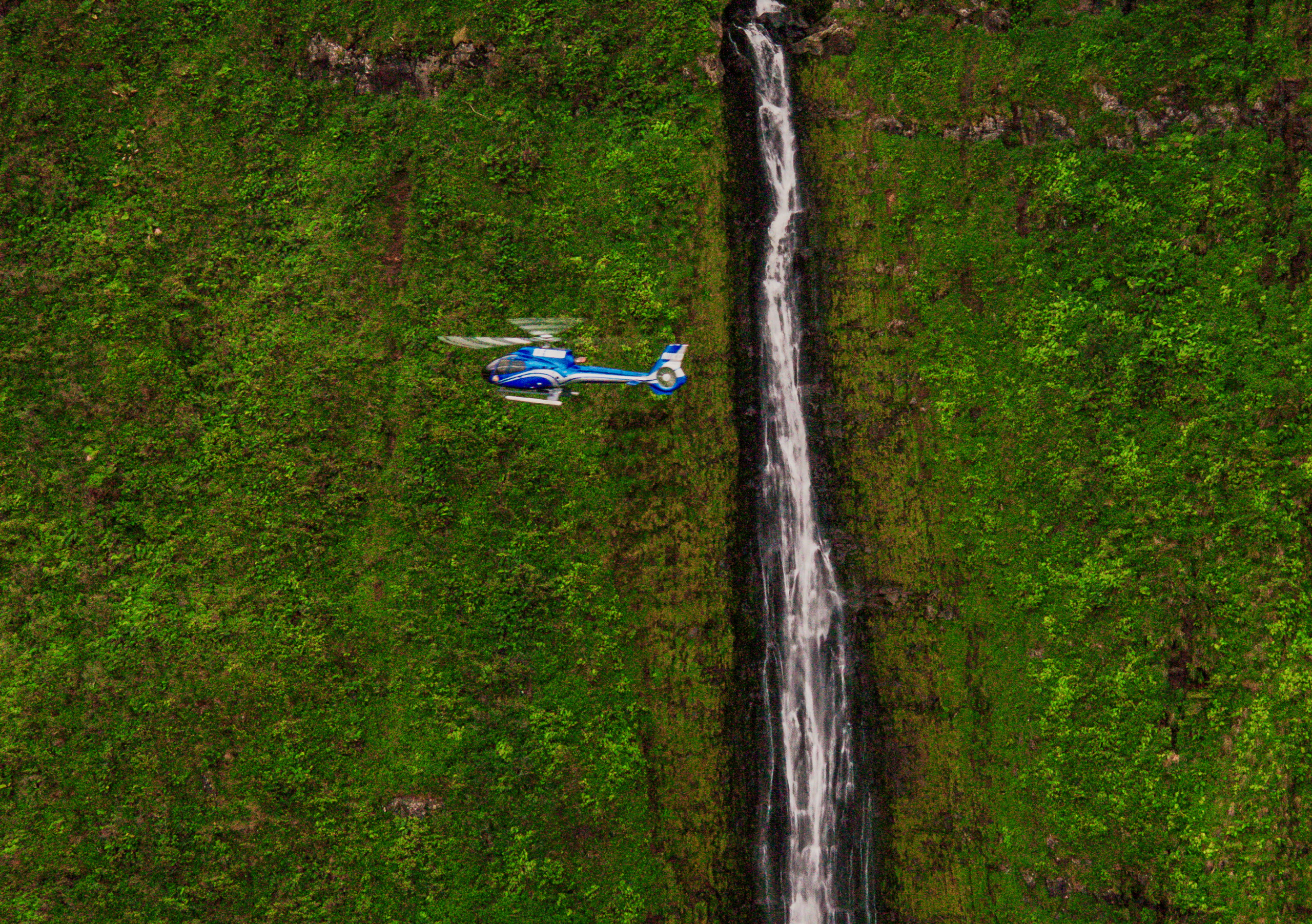
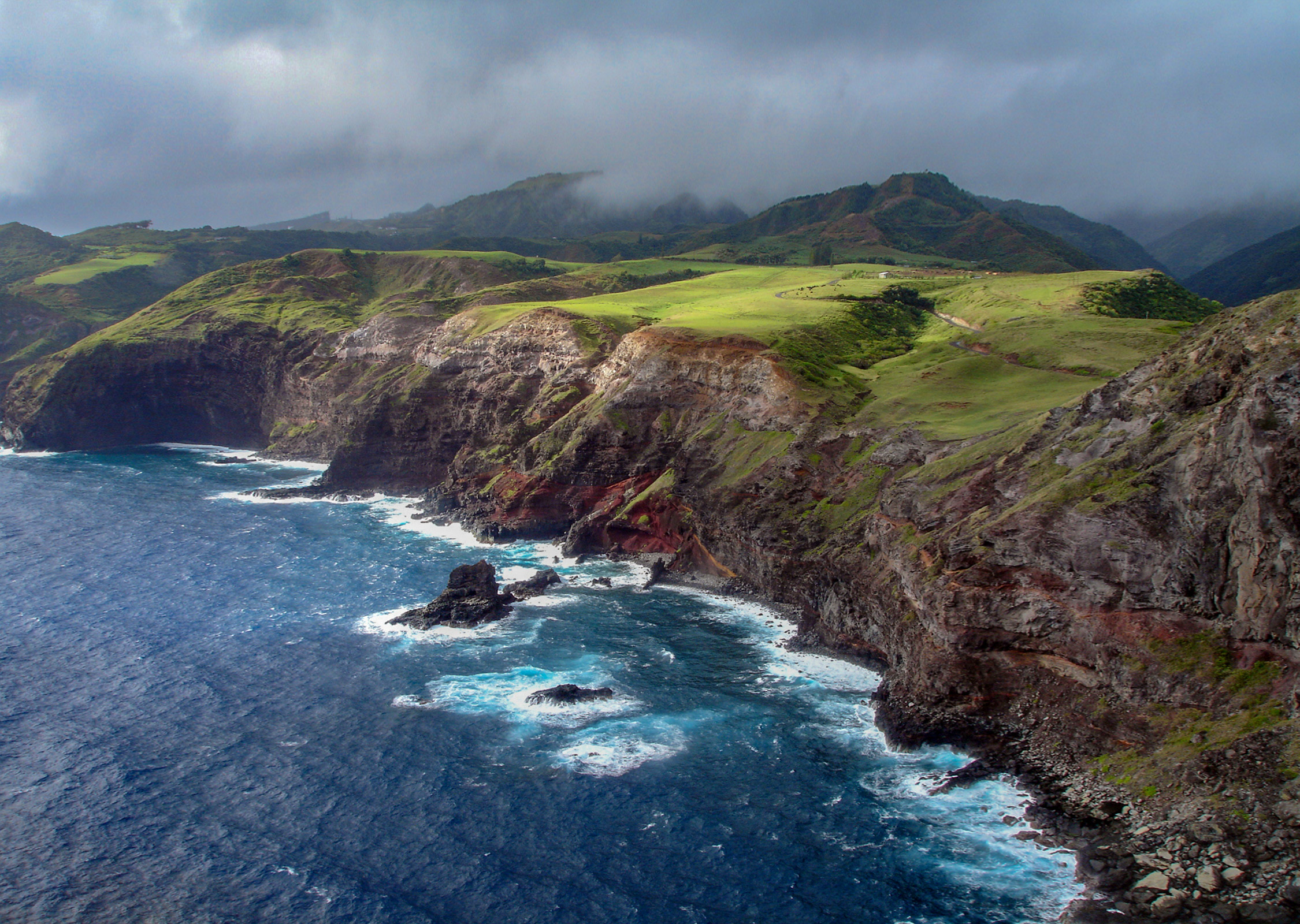
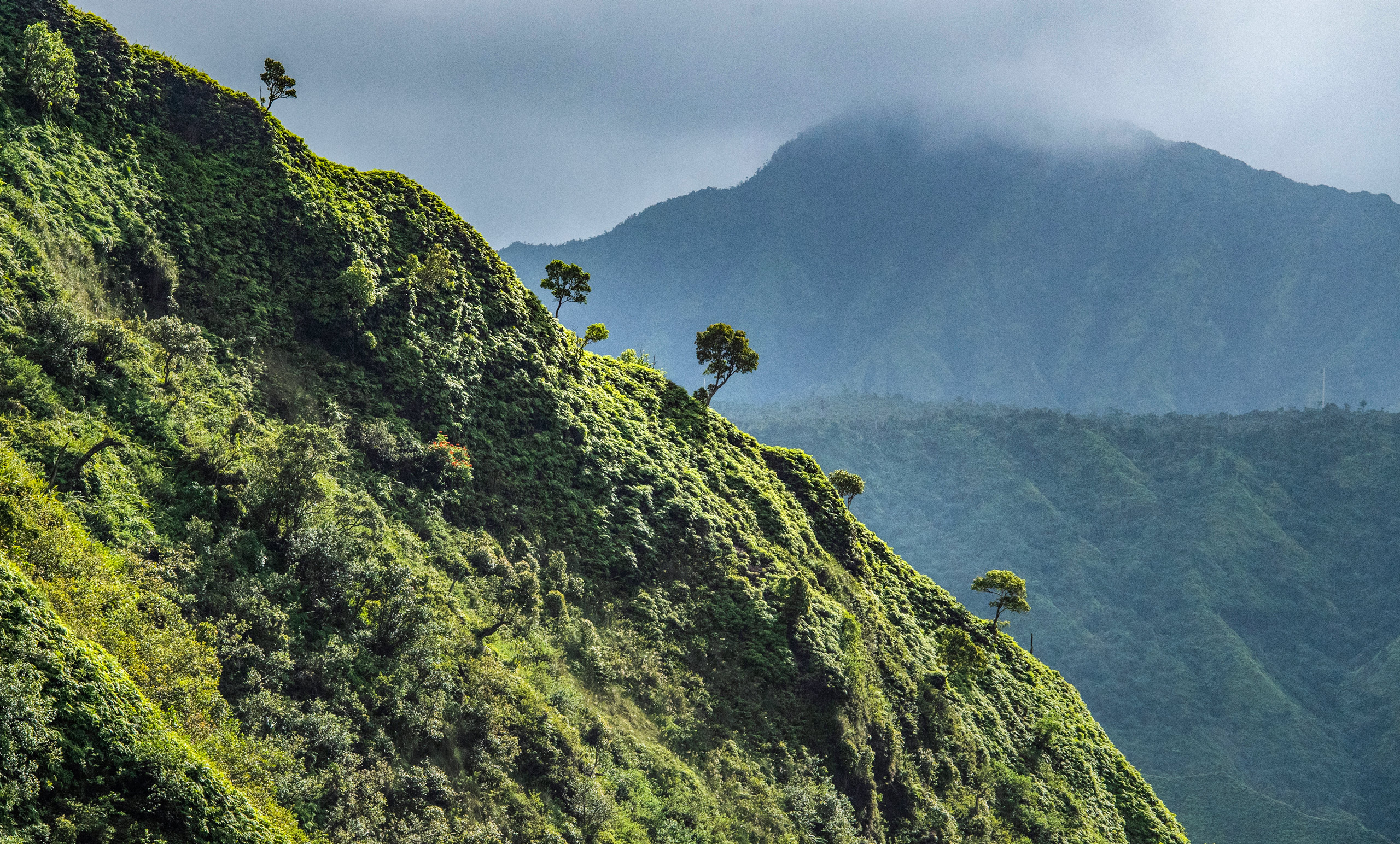
The Big Island of Hawaii is the largest island in the Hawaiian archipelago—almost as large as all the other islands combined—and bursting with life. Within 4,000 square miles of land, you’ll experience dense tropical rainforests, black-sand beaches, snow-capped peaks, remnants of ancient Hawaiian settlements, and the incredible Kilauea volcano.
Explore Tours Photo Tour
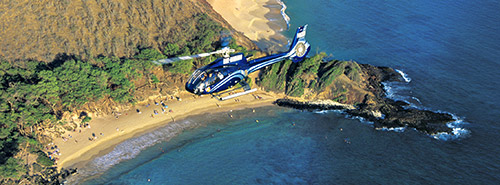
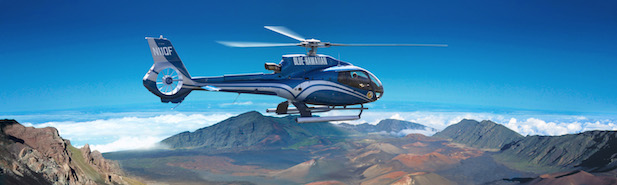
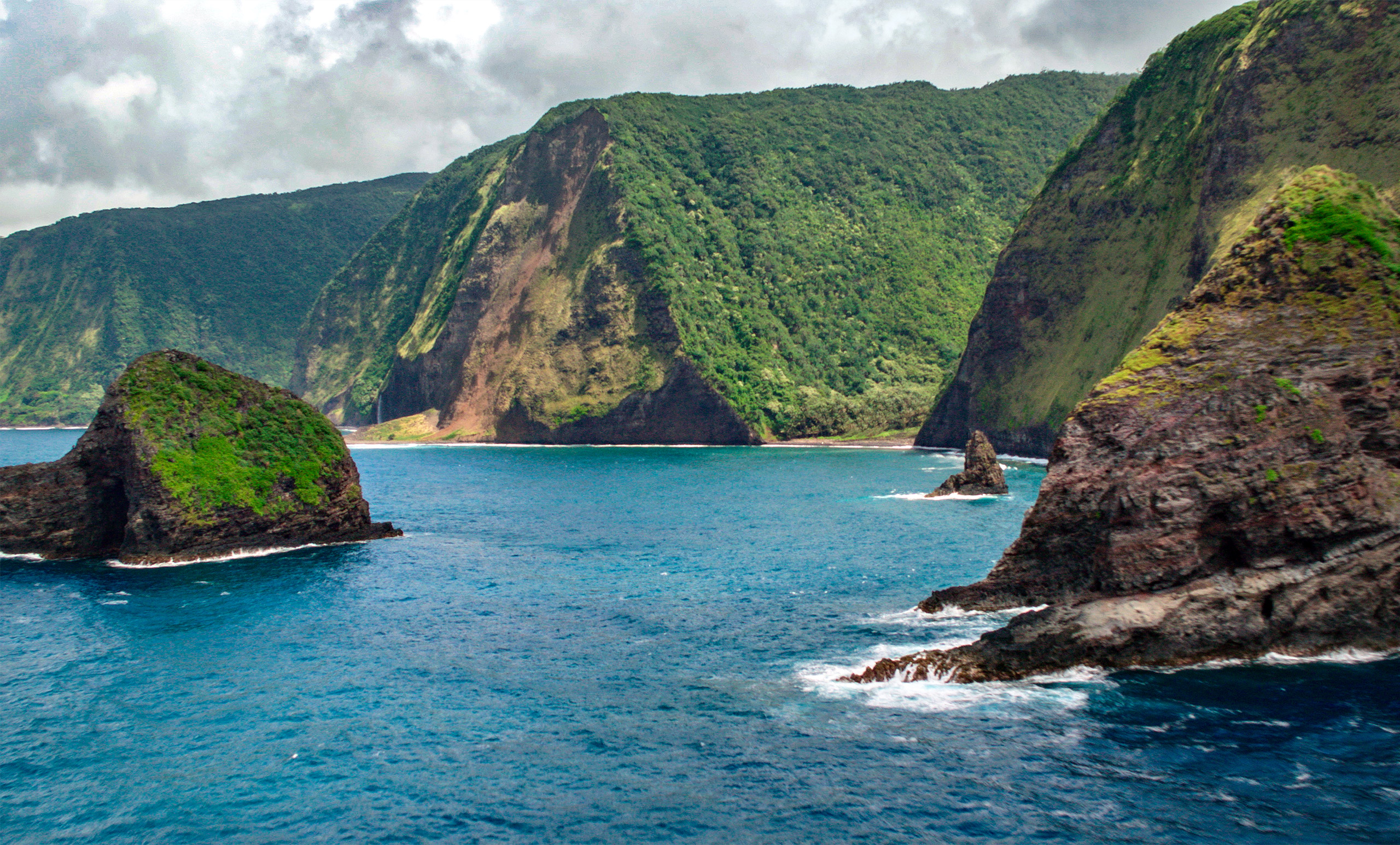
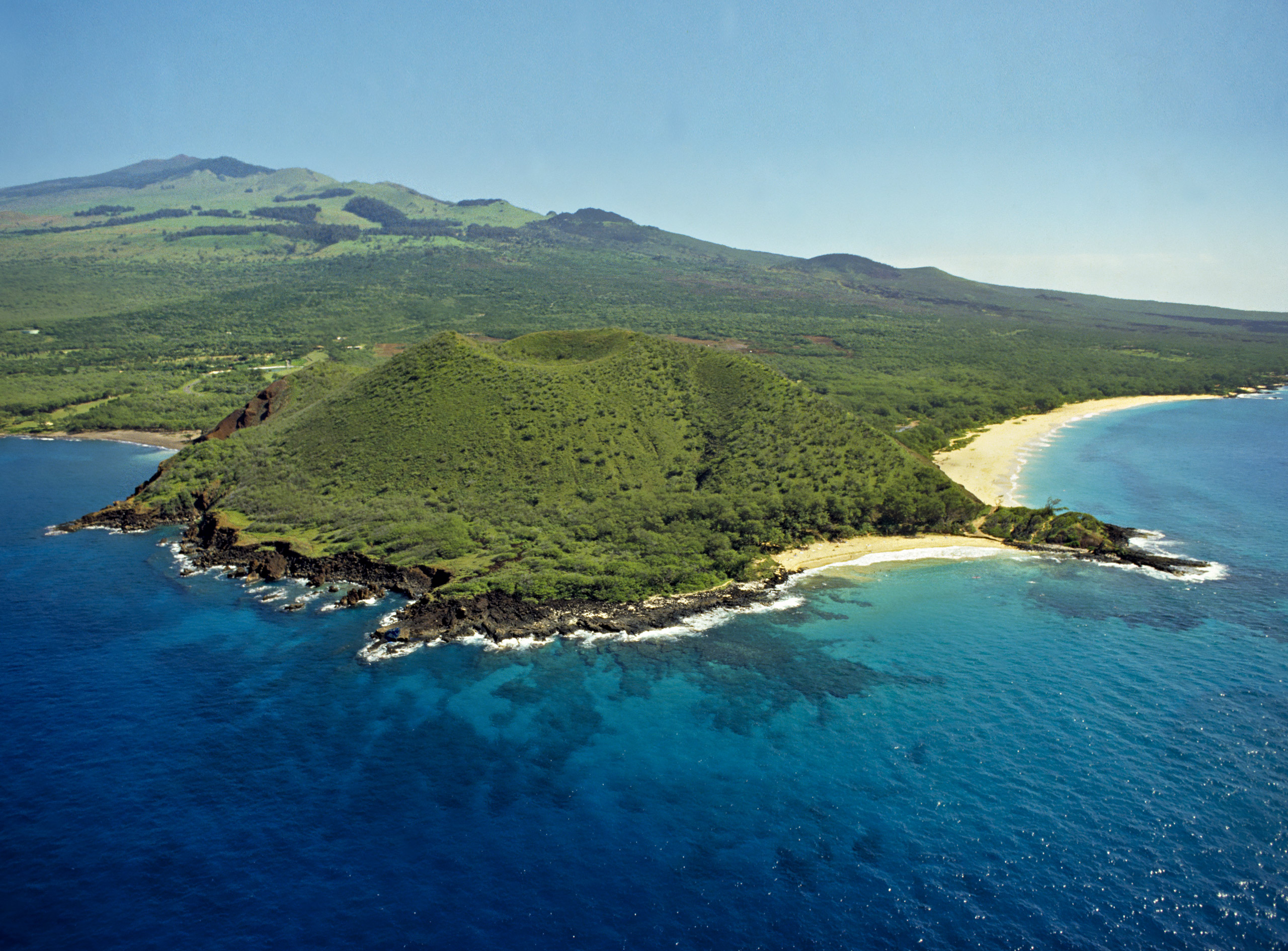
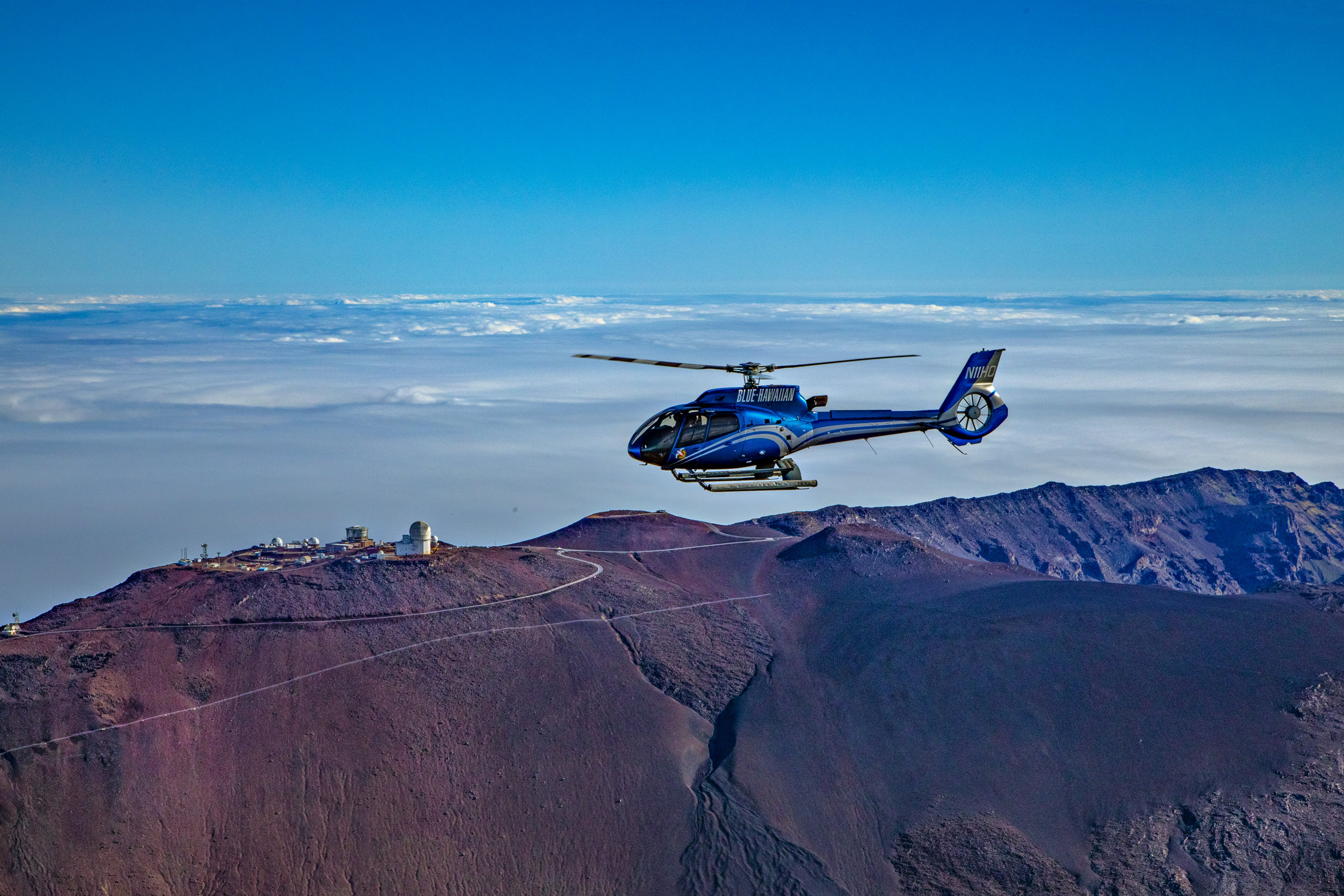
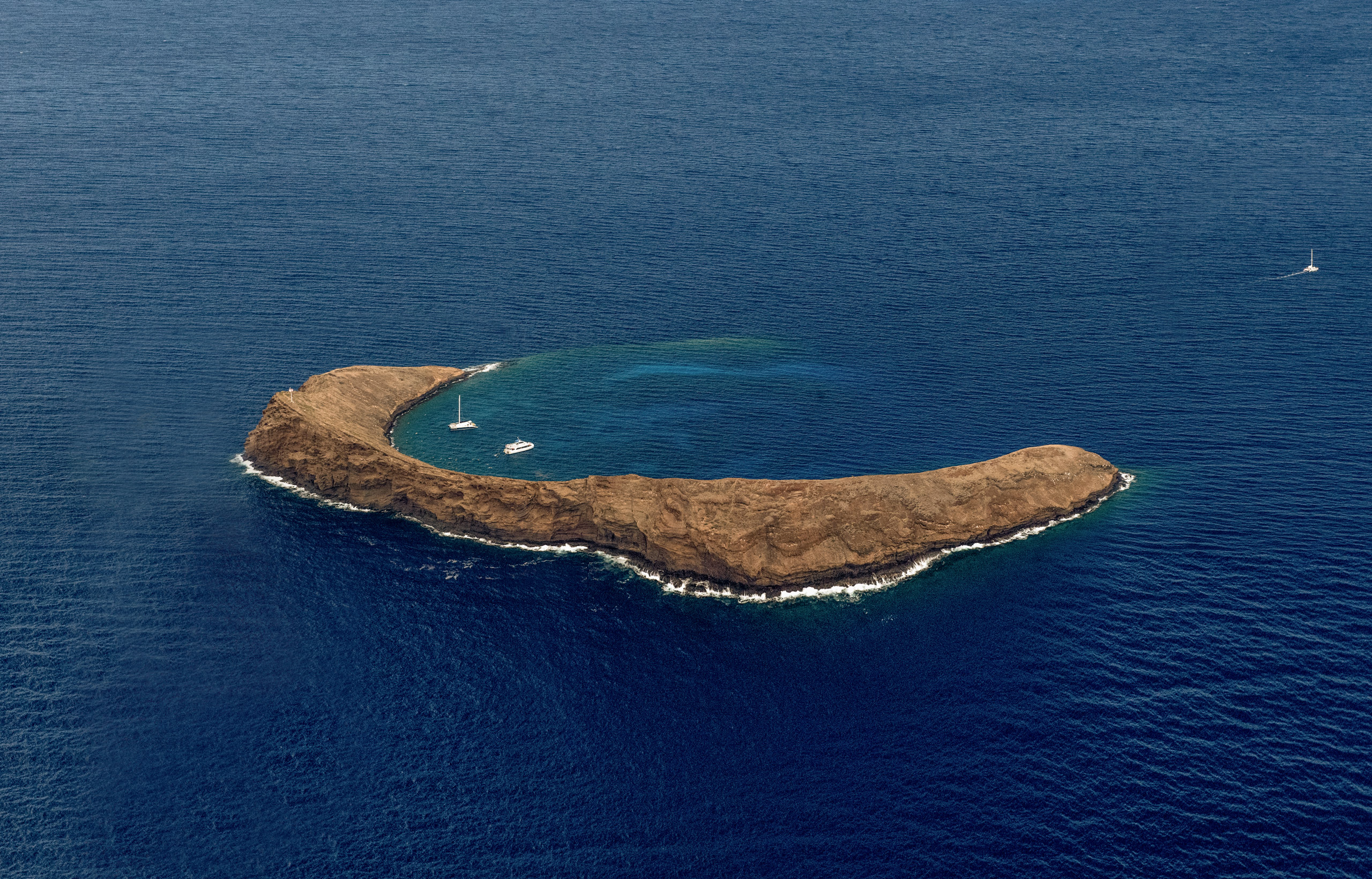
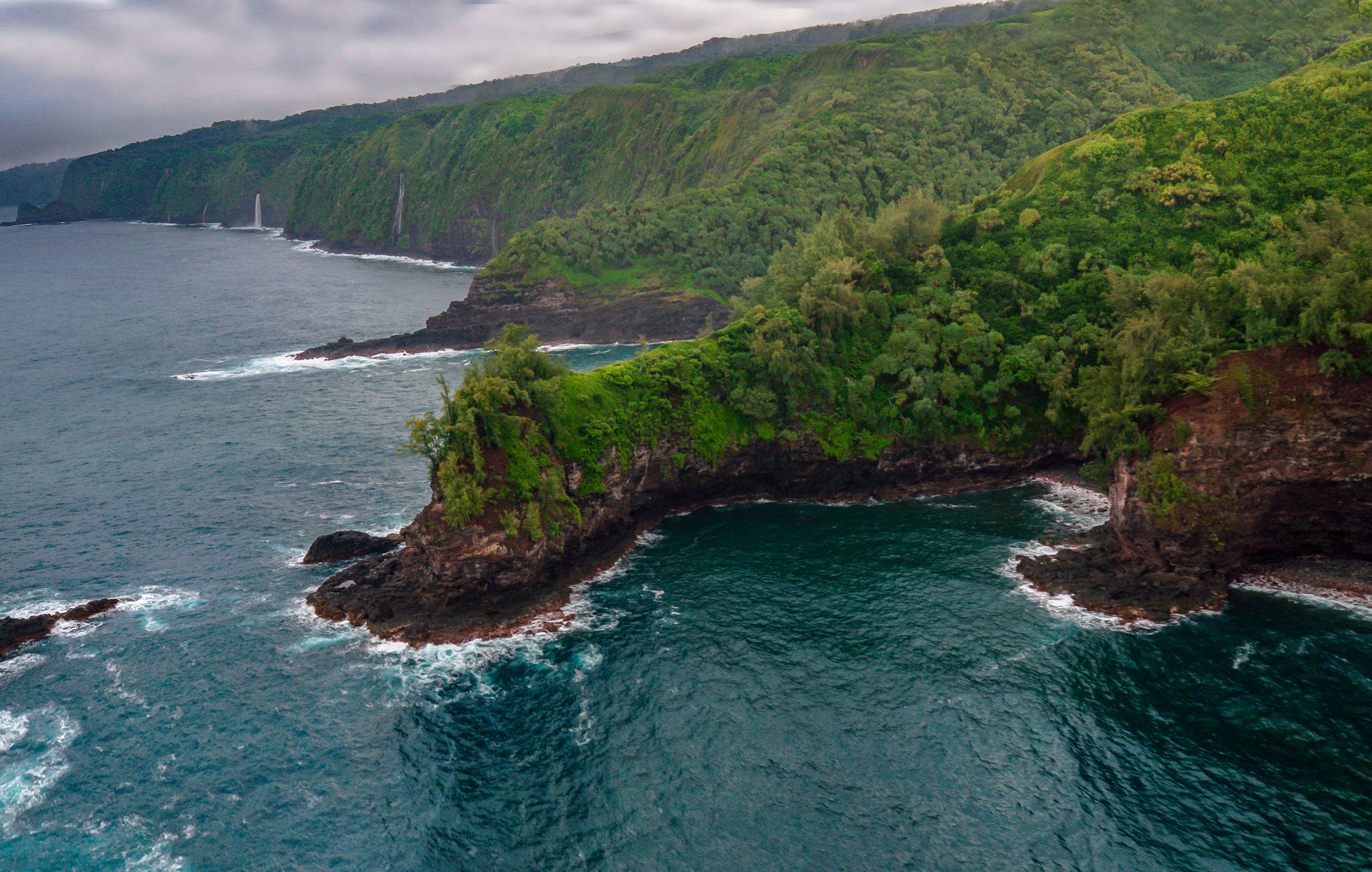
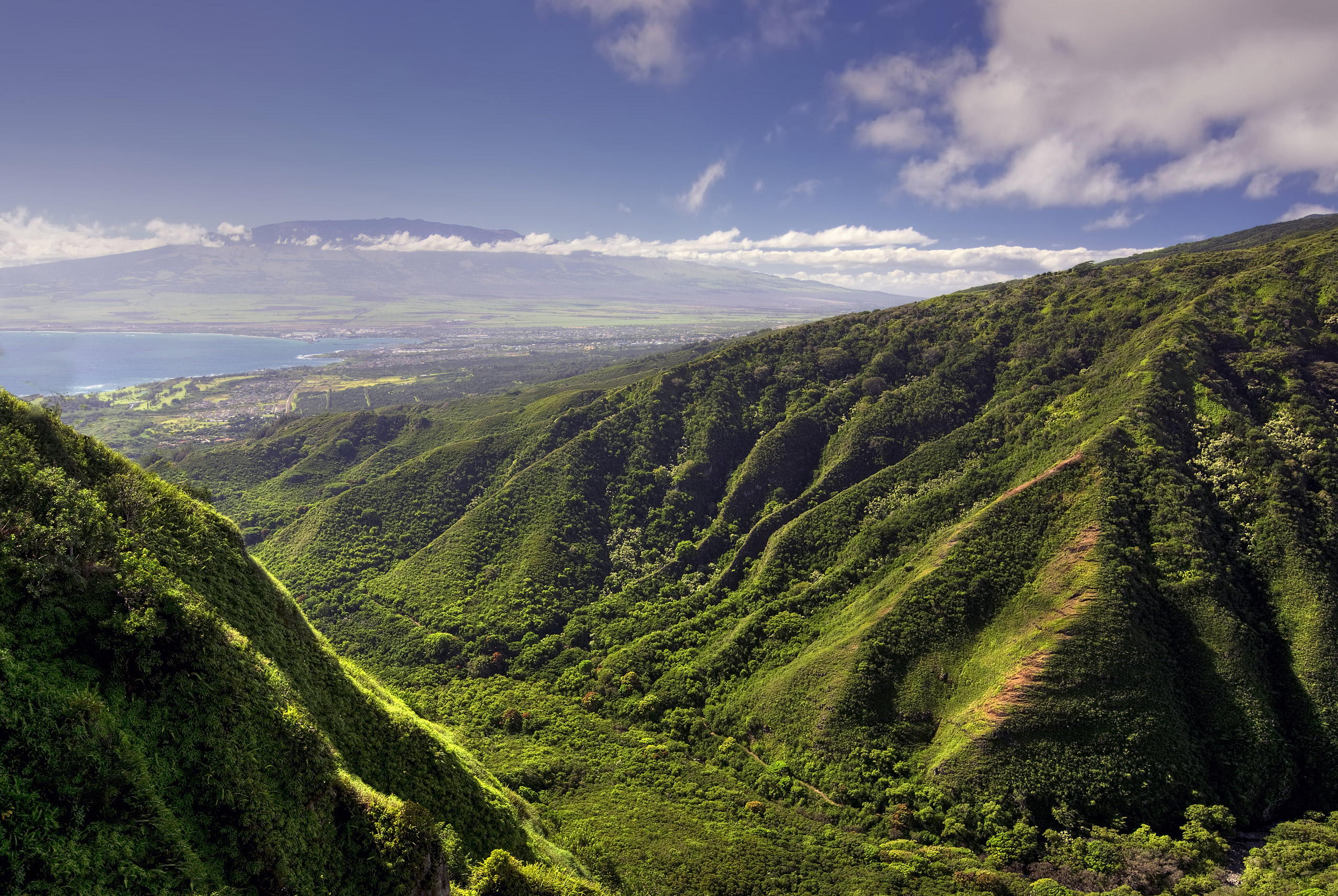
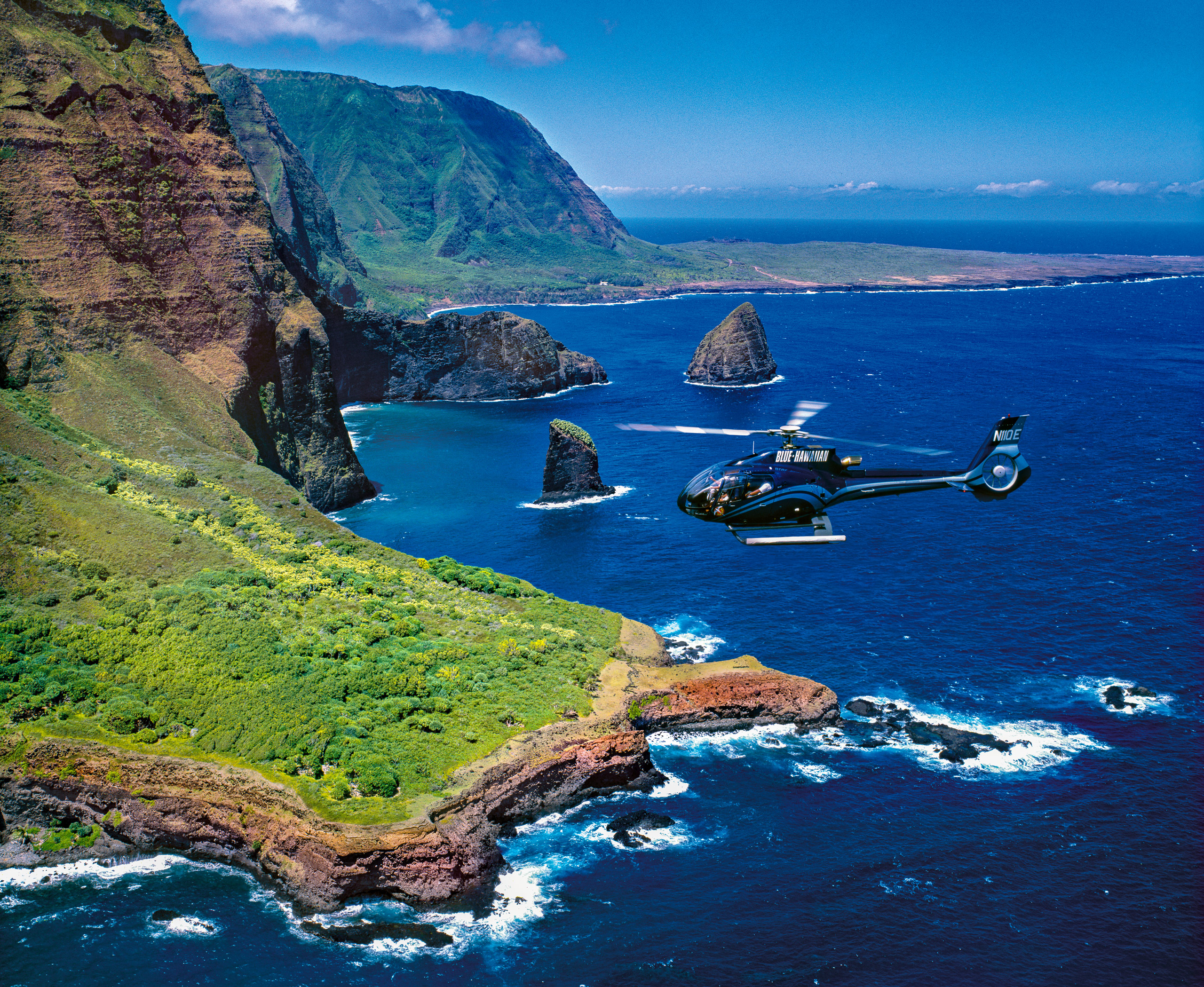
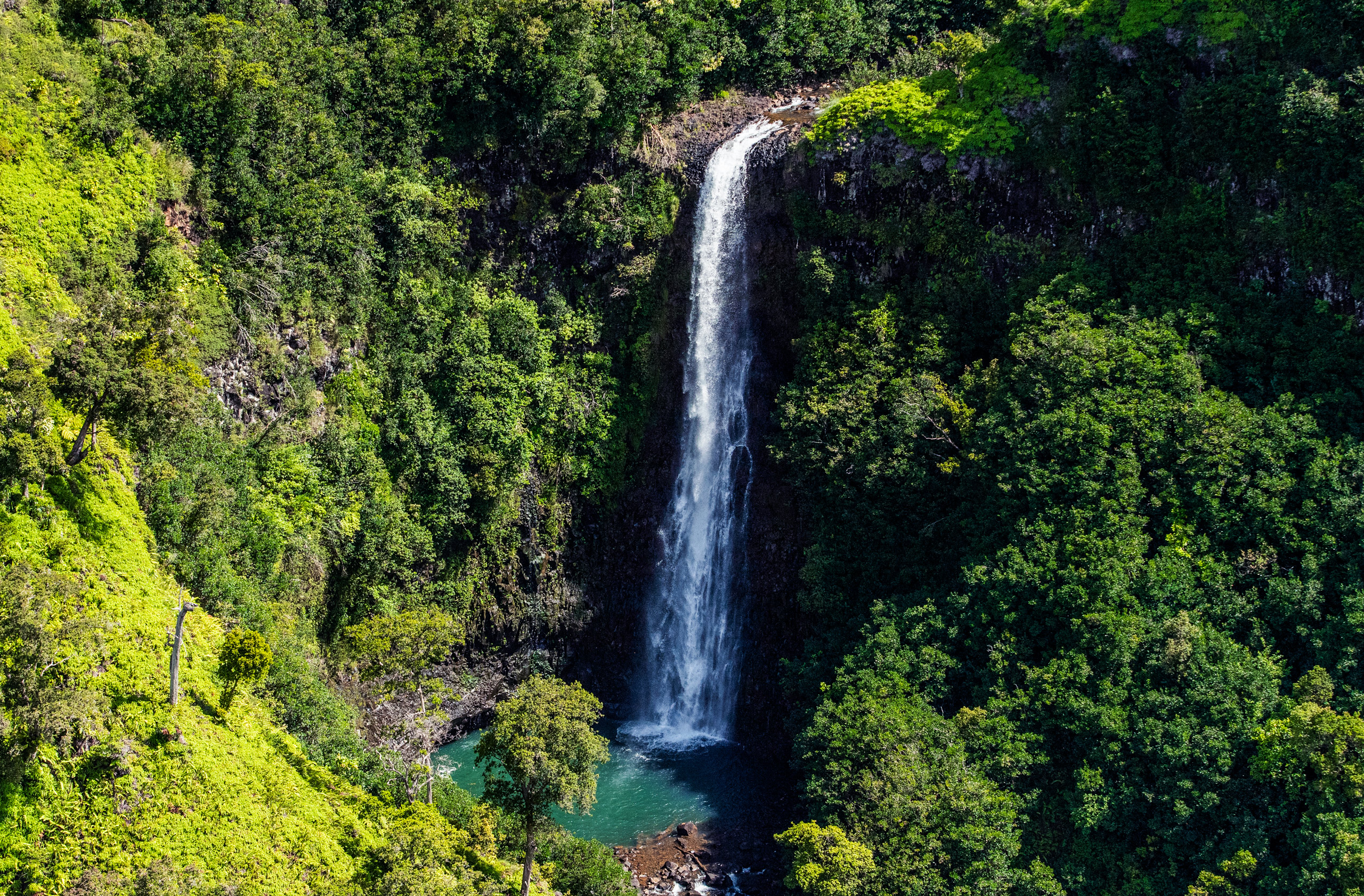
Maui is renowned for its unimaginable beauty. Alpine-like forests cover the upcountry slopes of Mt. Haleakala, the world’s largest dormant volcano. The famed “Road to Hana” hugs the coast, white sandy beaches line the shores, and magnificent sea cliffs hover over the blue Pacific. An aerial tour of Maui will quickly reveal why it’s continually been voted “The World’s Best Island.”
Explore Tours Photo Tour
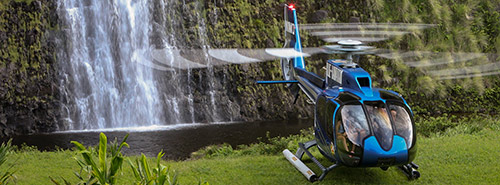
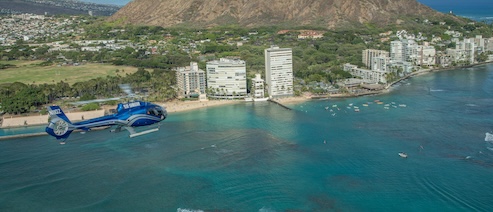
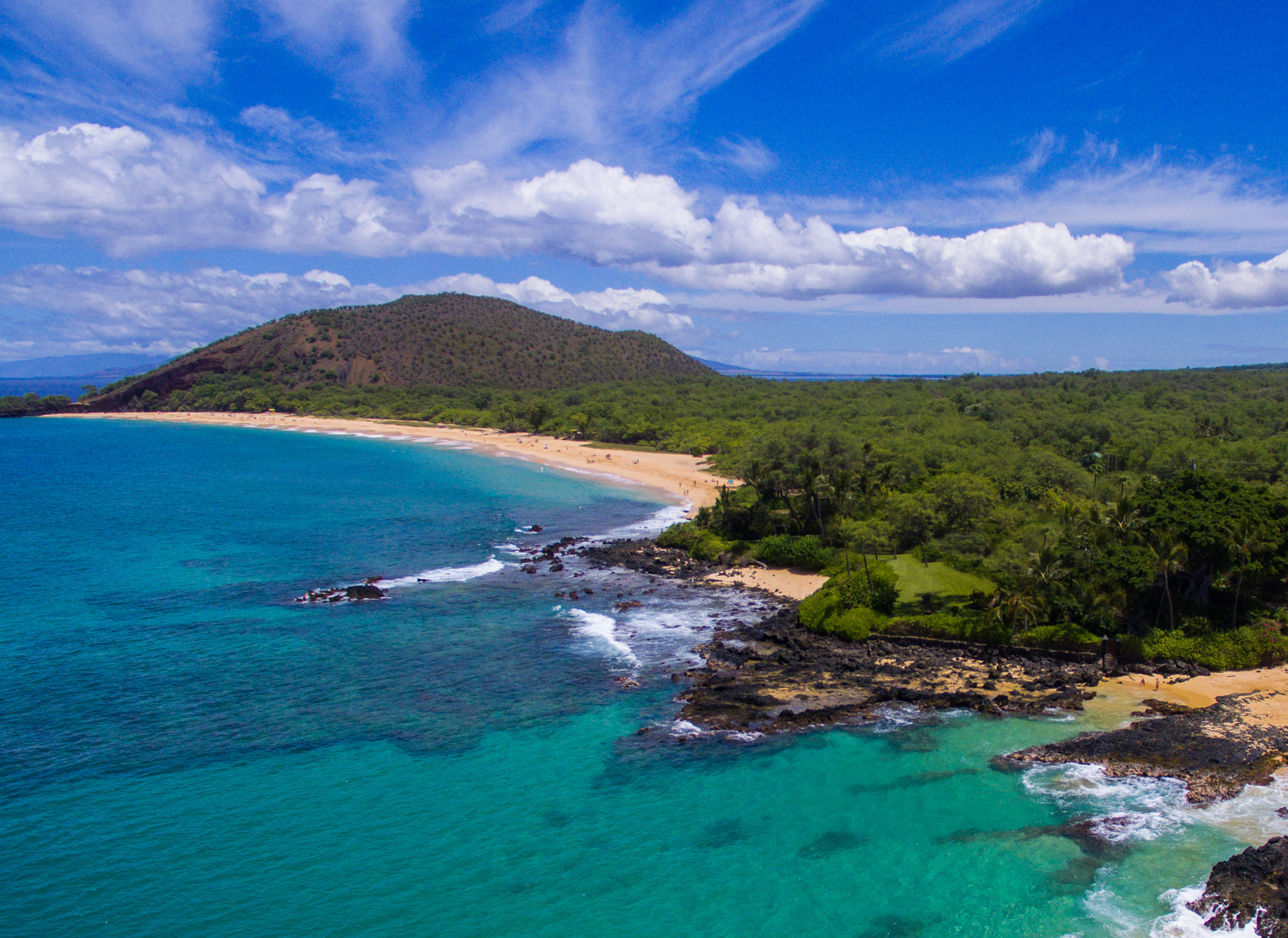
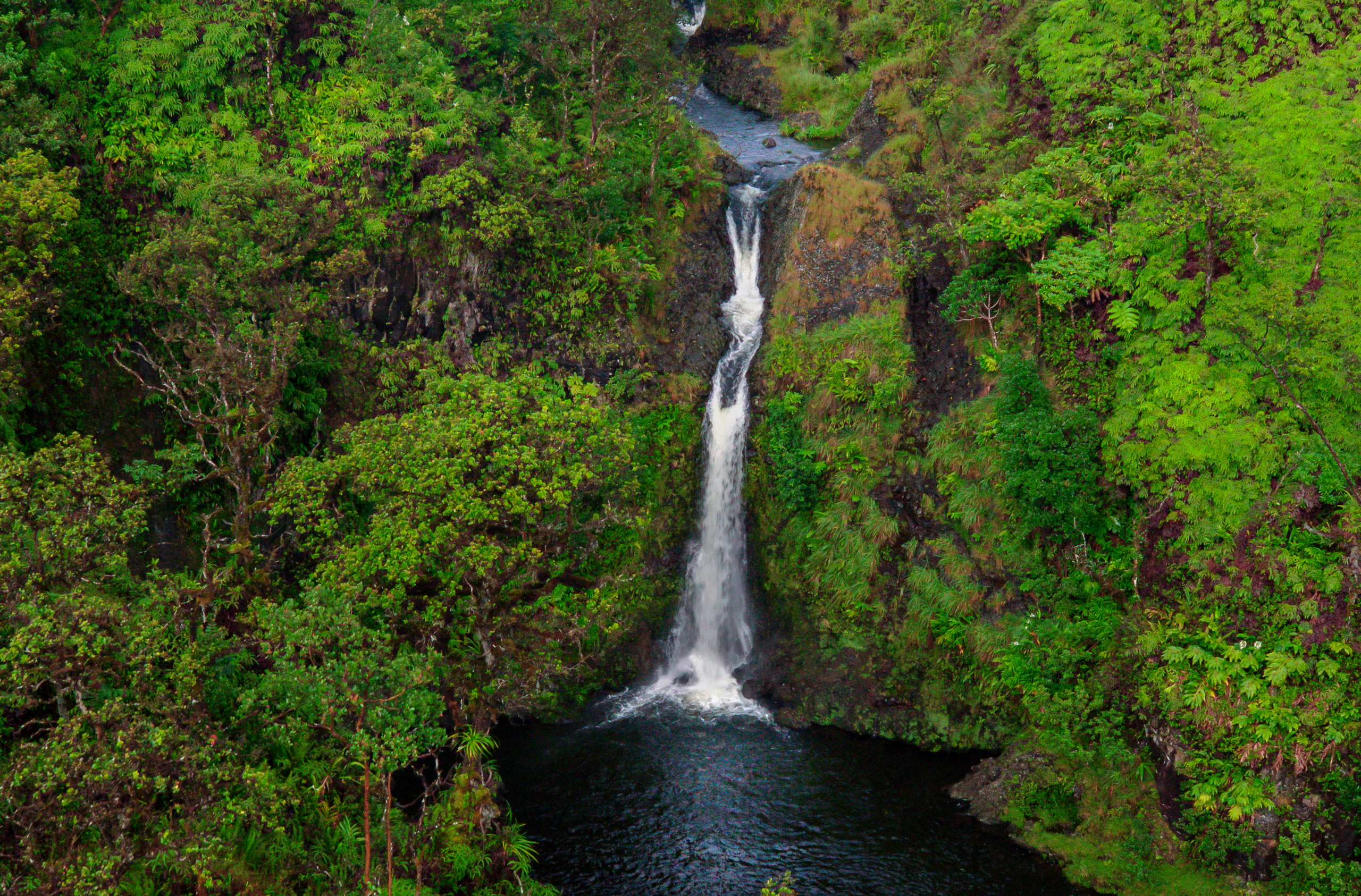
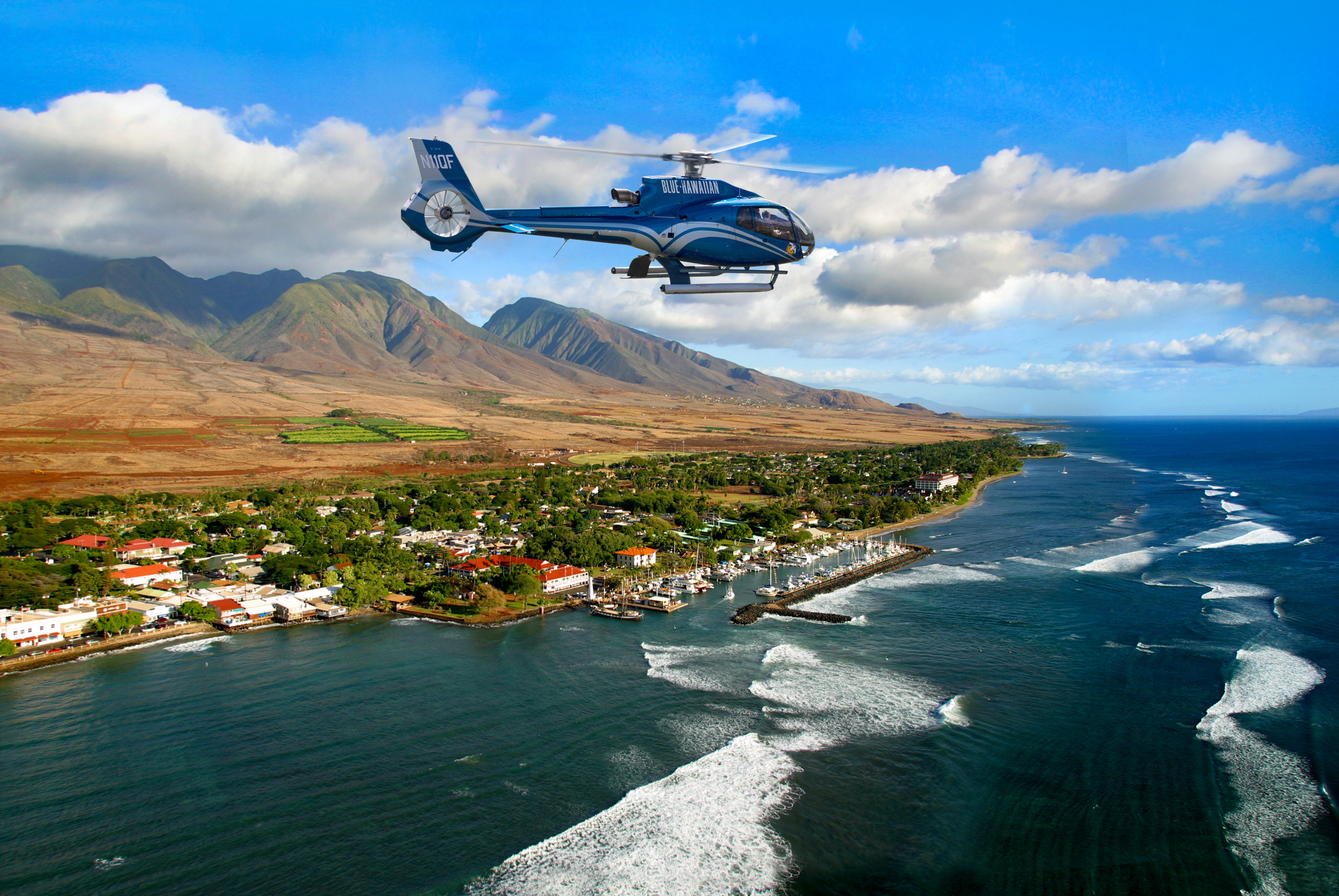
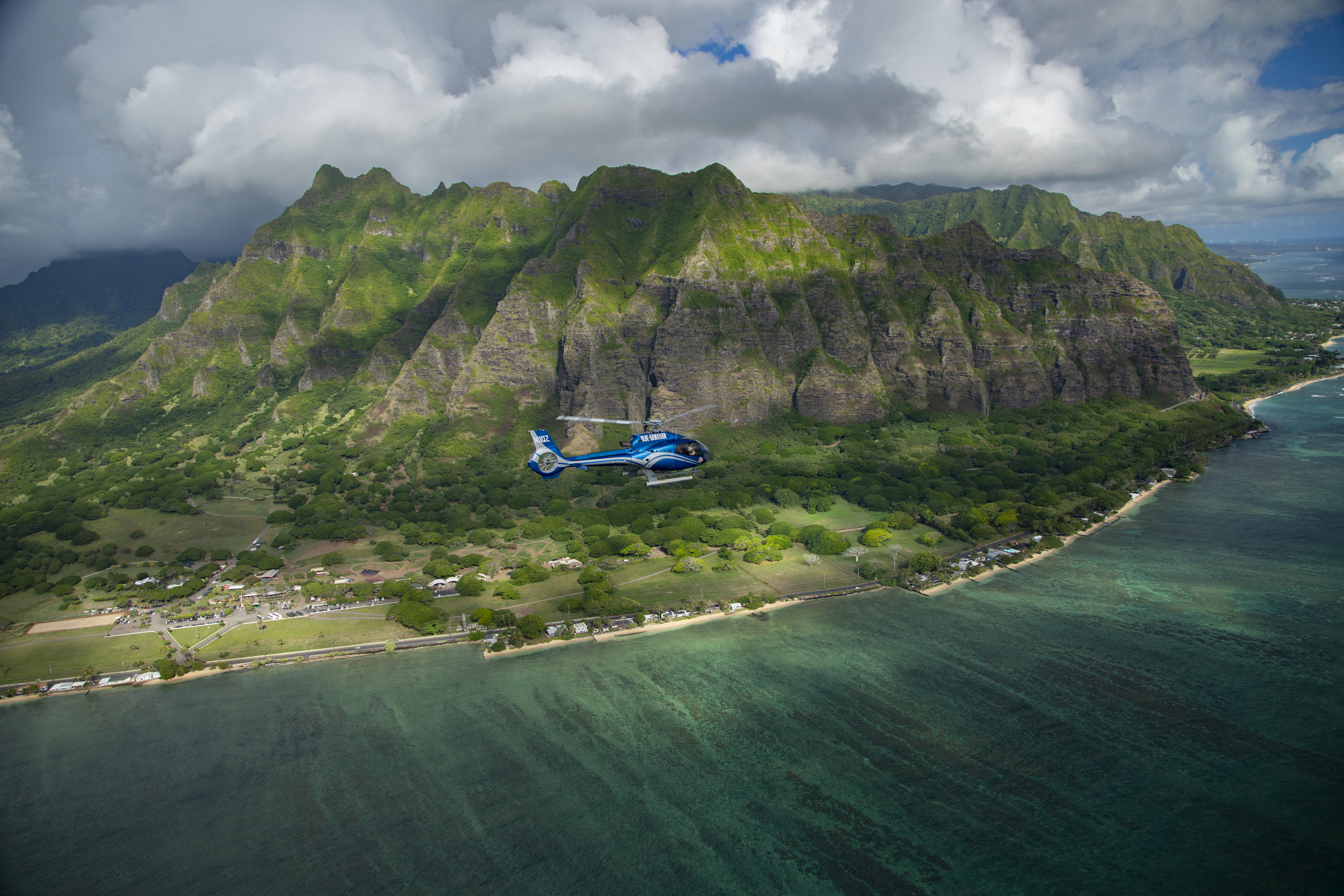
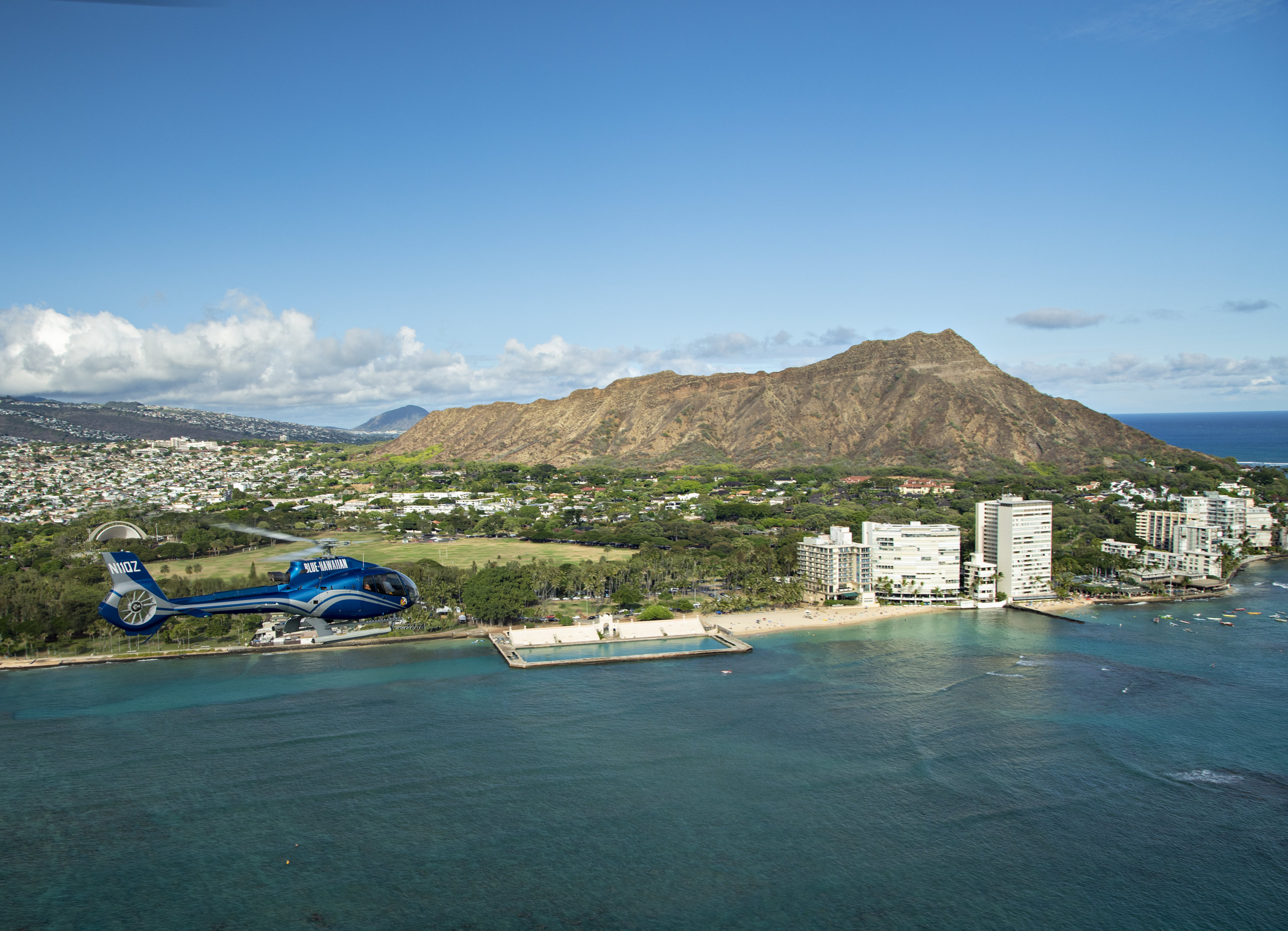
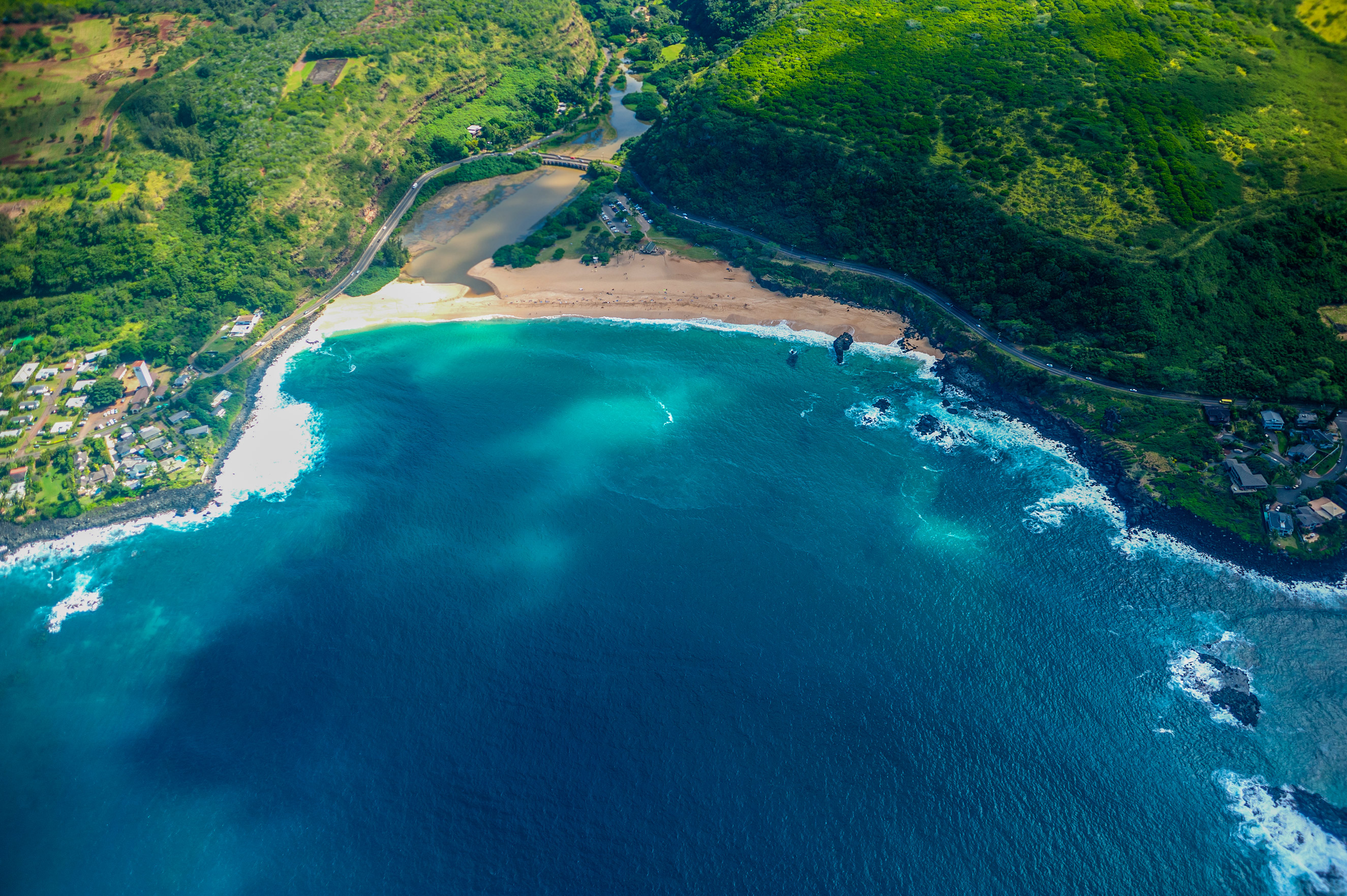
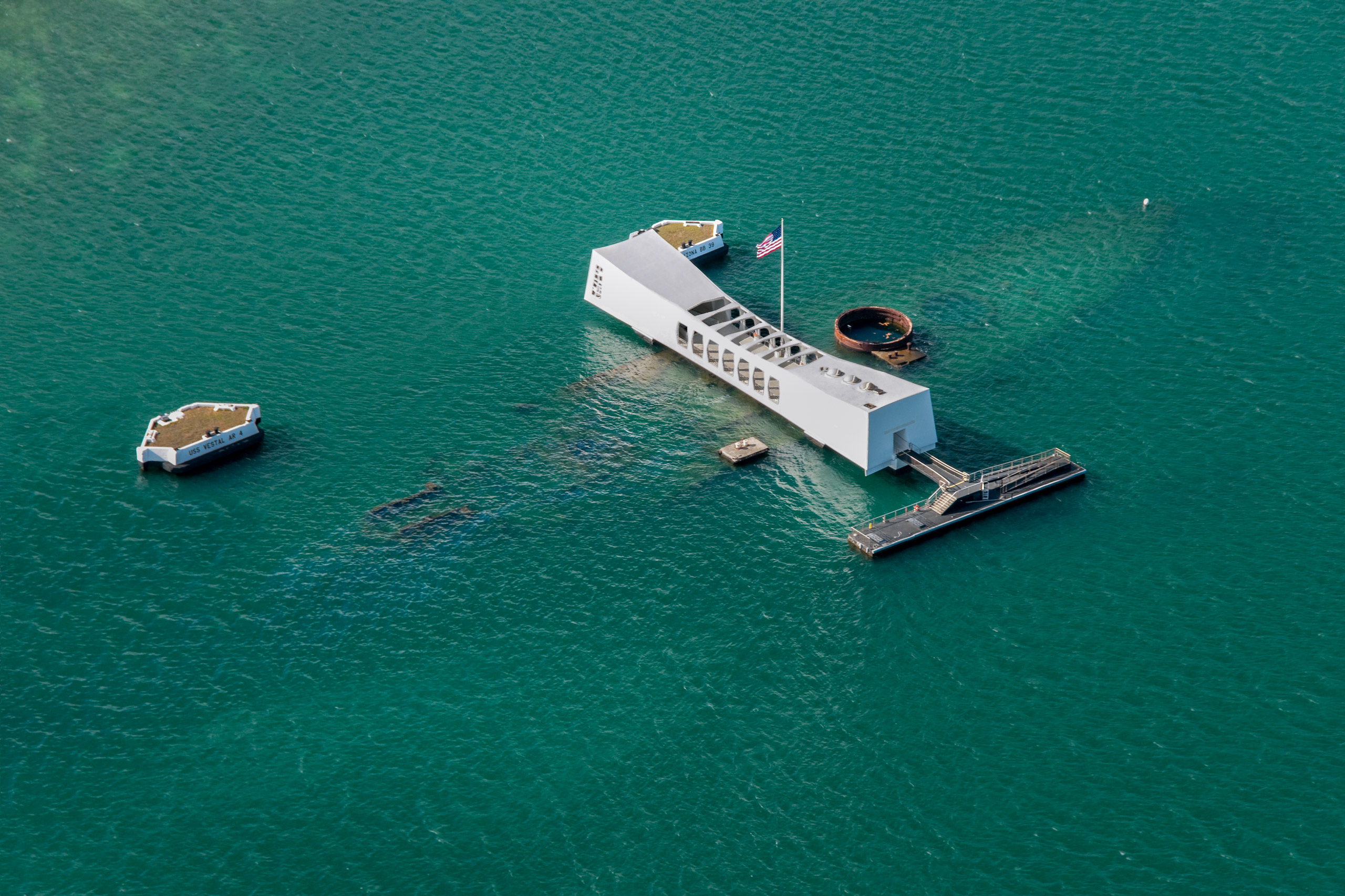
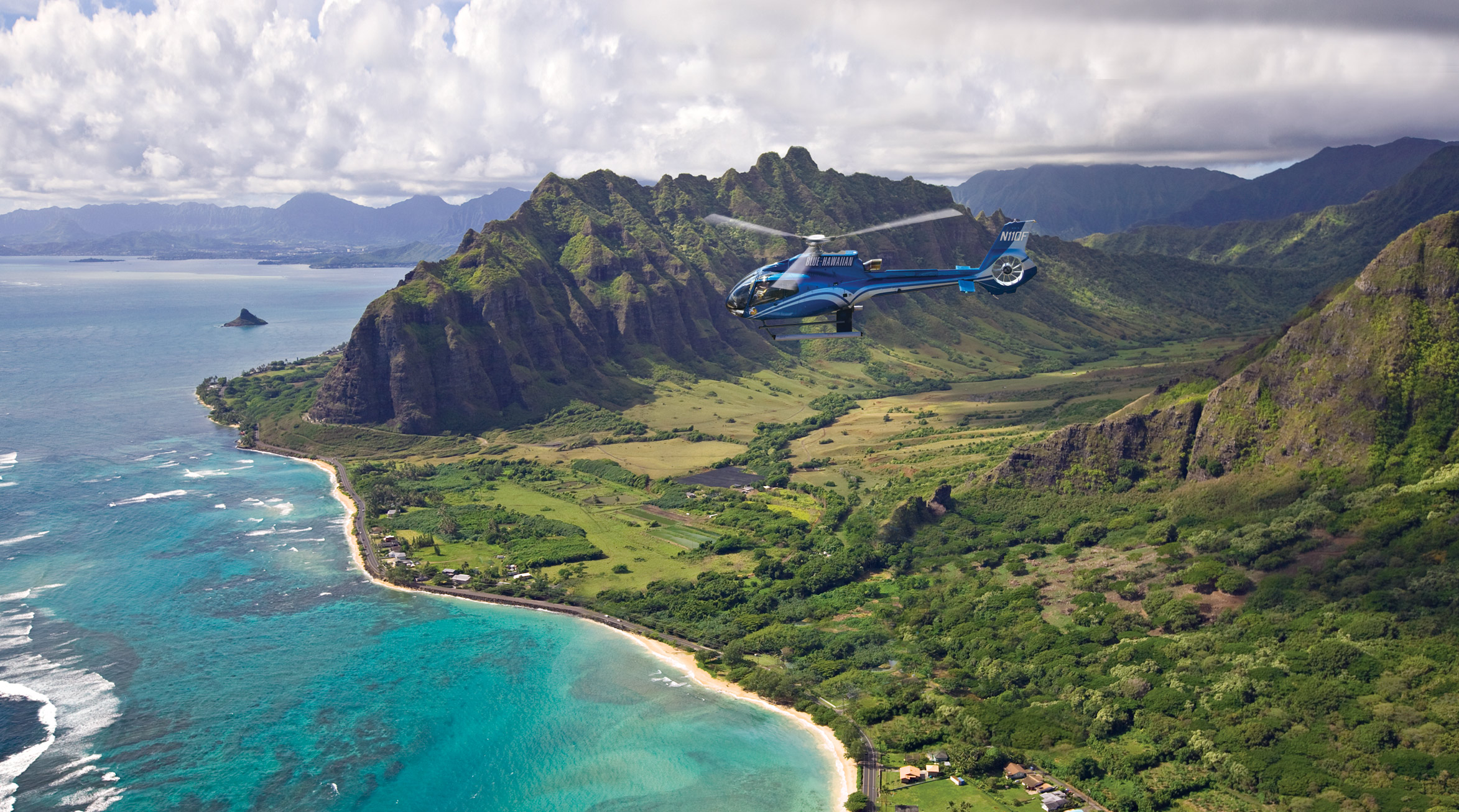
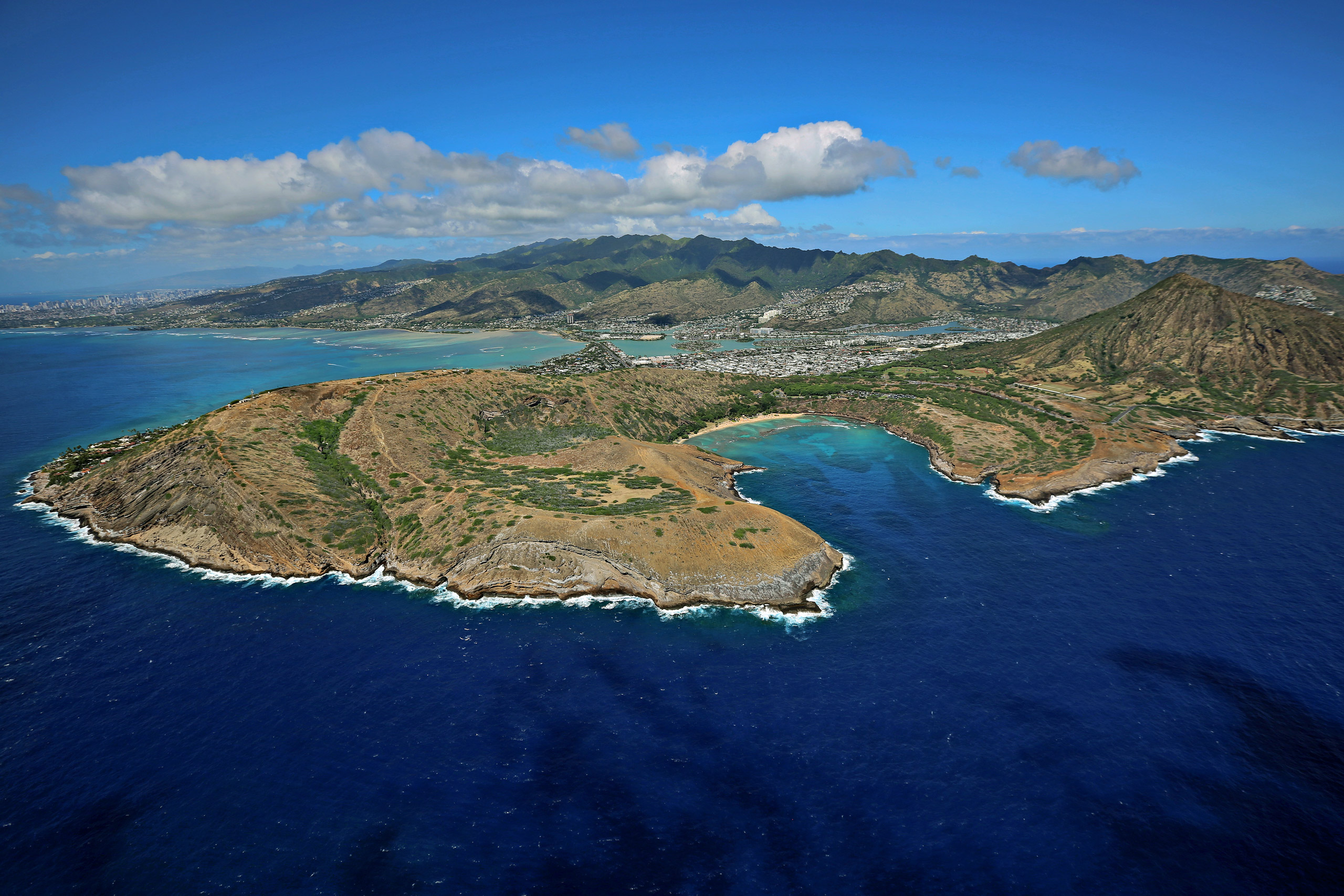
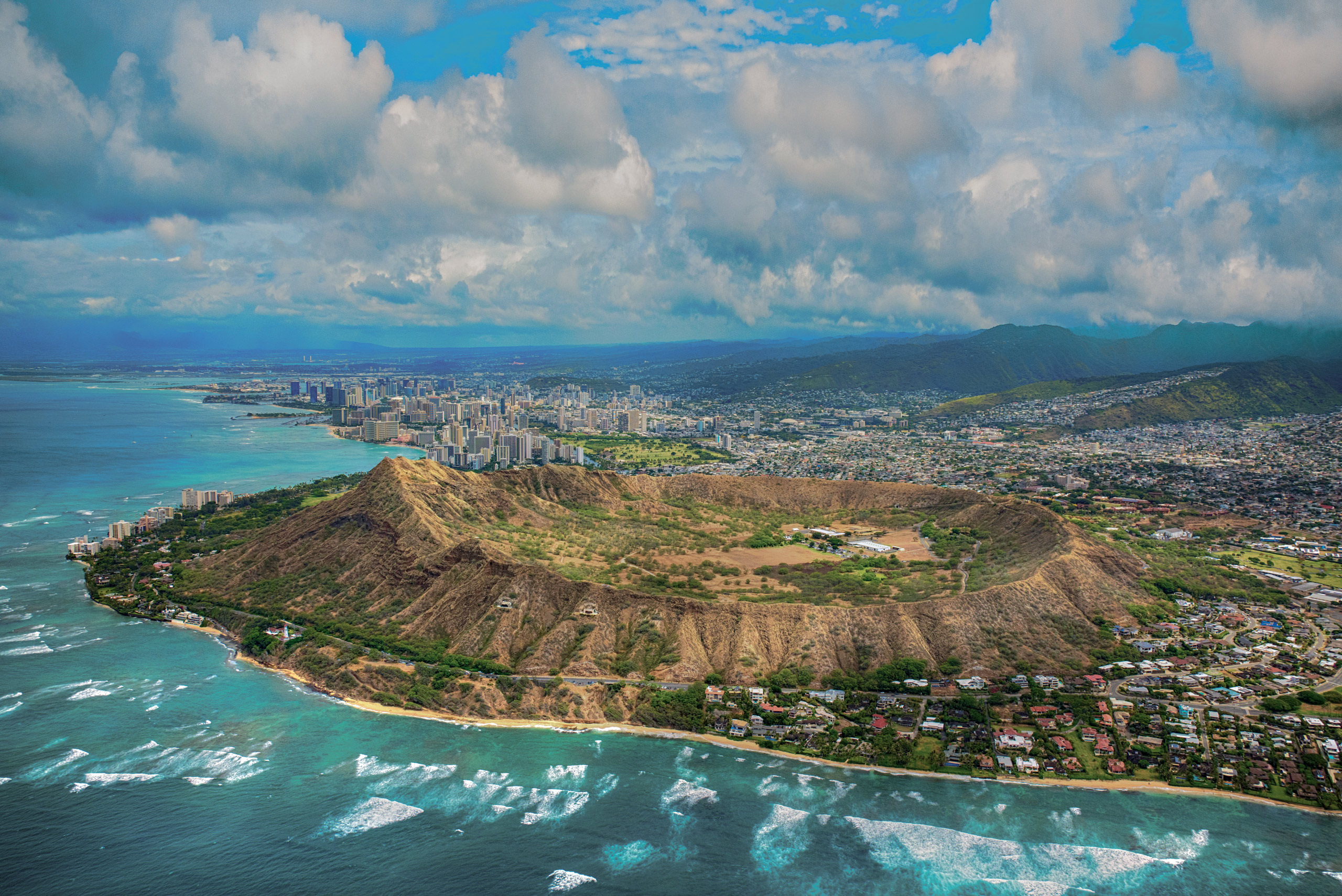
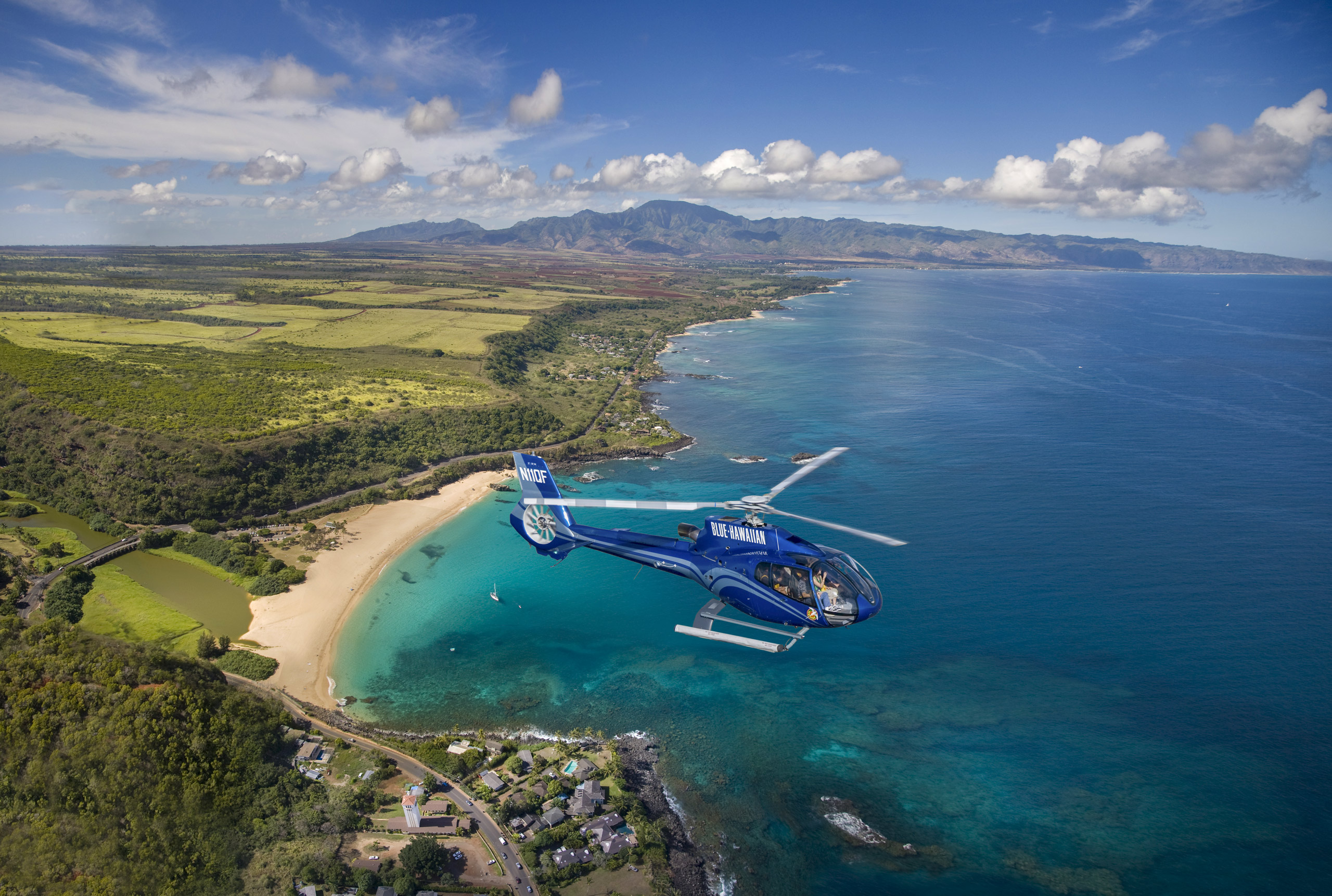
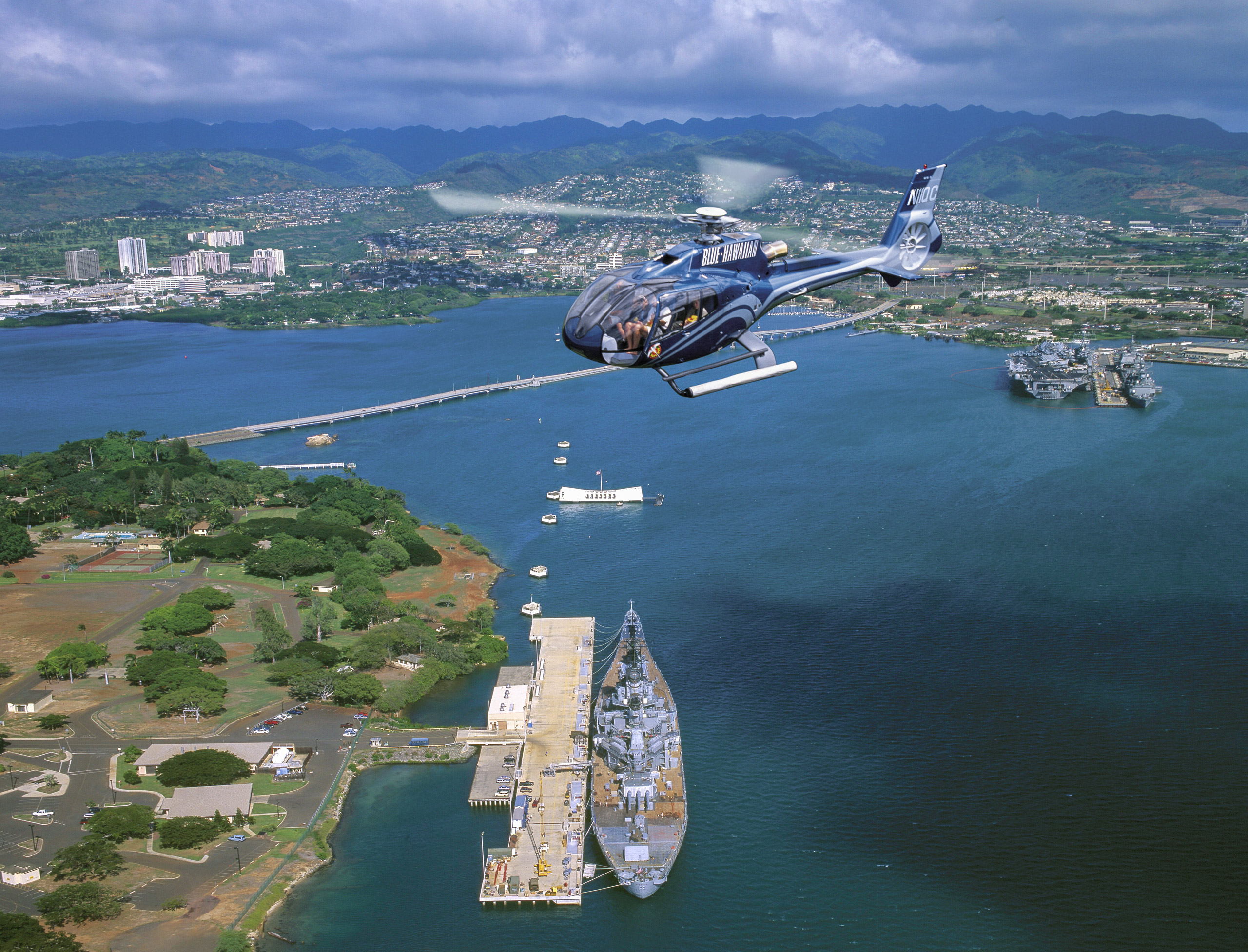
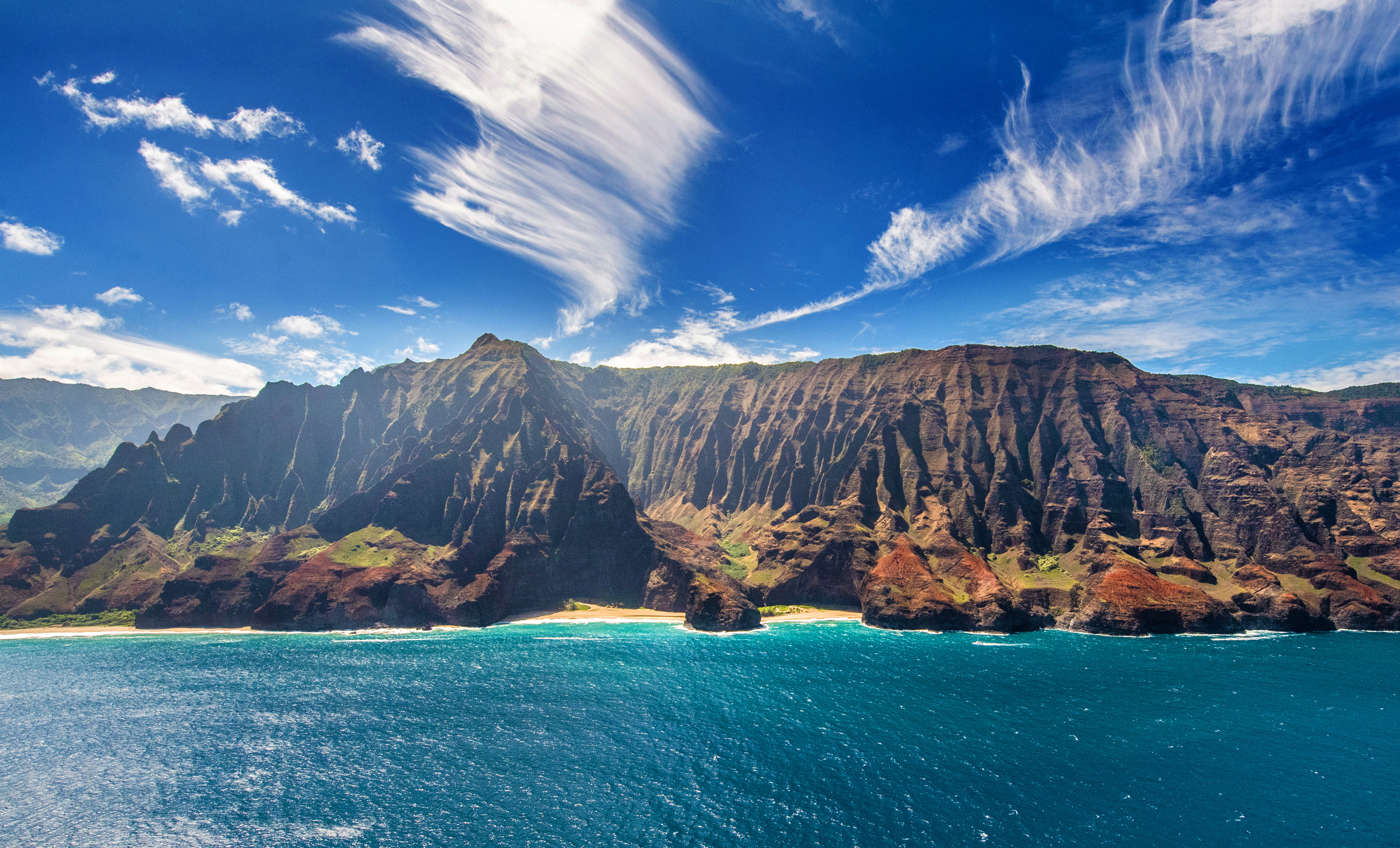
Oahu is the cultural heart of the Hawaiian Islands, offering an eclectic mix of tradition, Hawaiian history, and stunning natural beauty. Beyond Waikiki Beach, the historic sights of Pearl Harbor and the cosmopolitan city of Honolulu, you’ll discover gorgeous shorelines, hidden valleys, cascading waterfalls, and the famed North Shore.
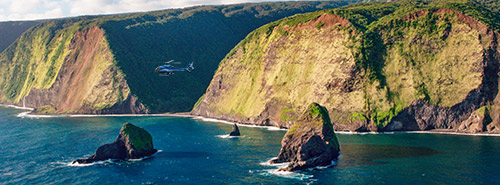
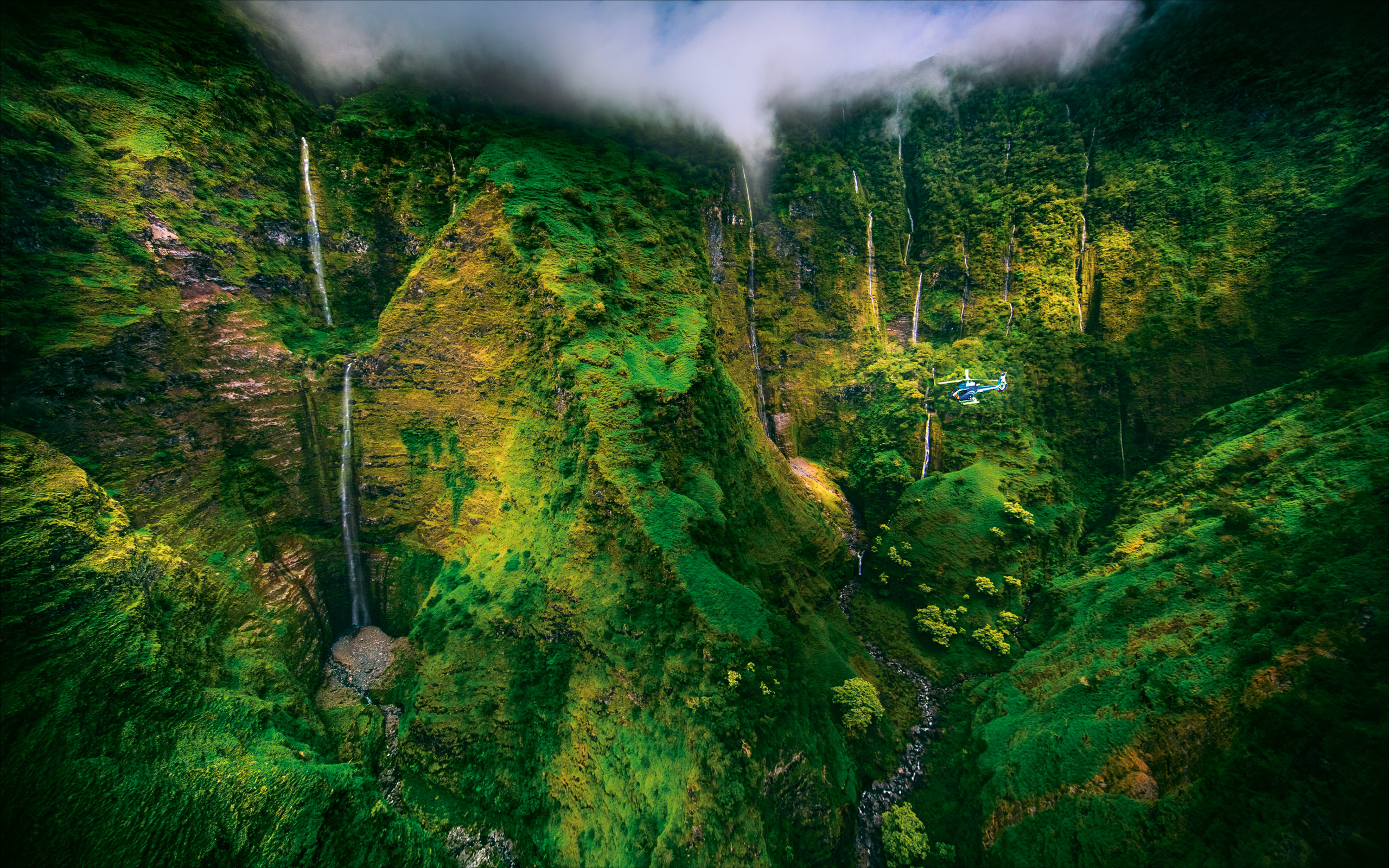
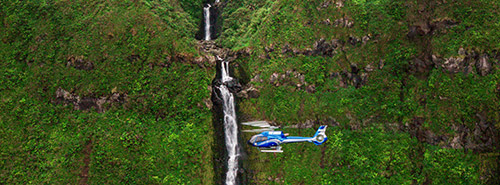
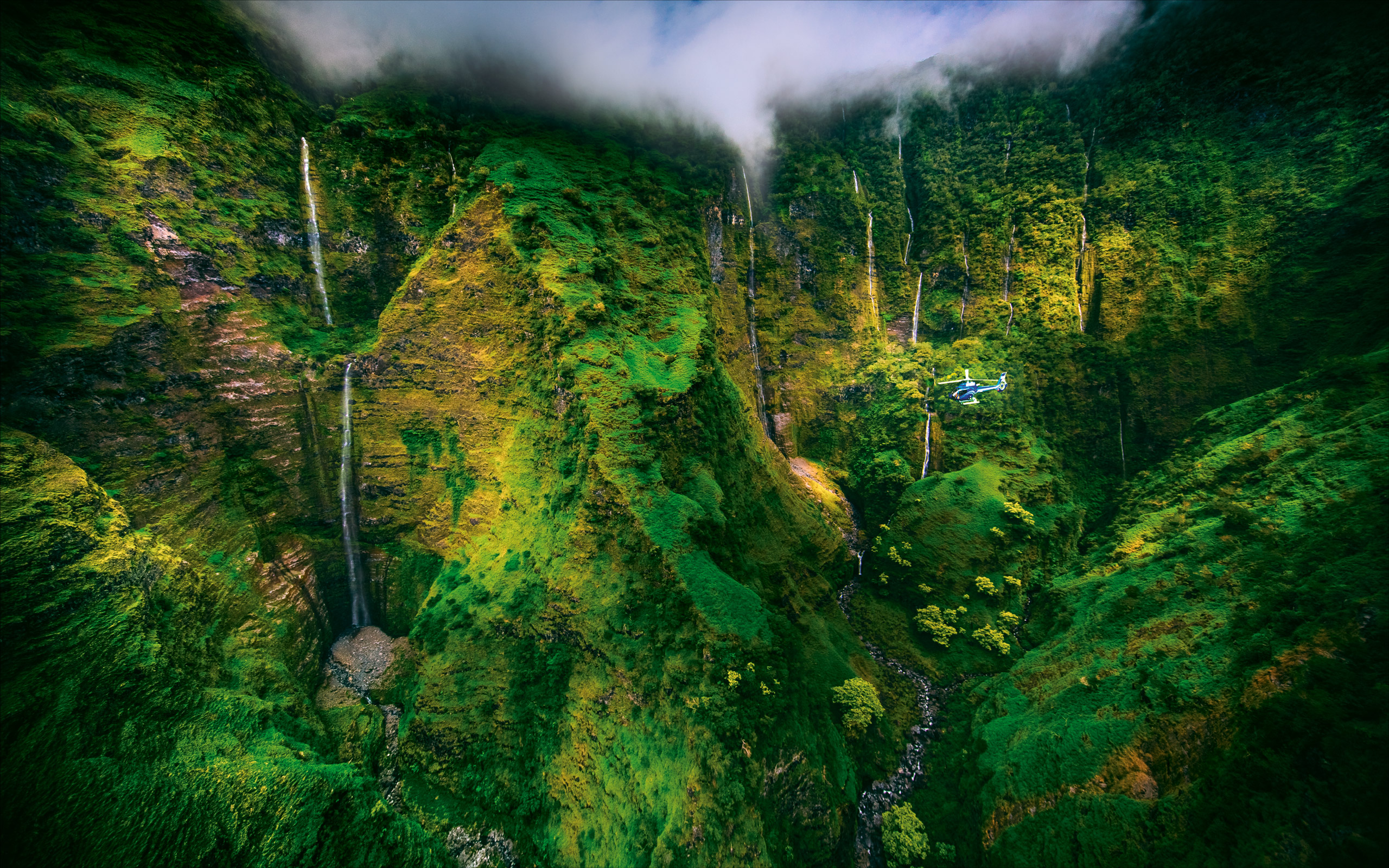
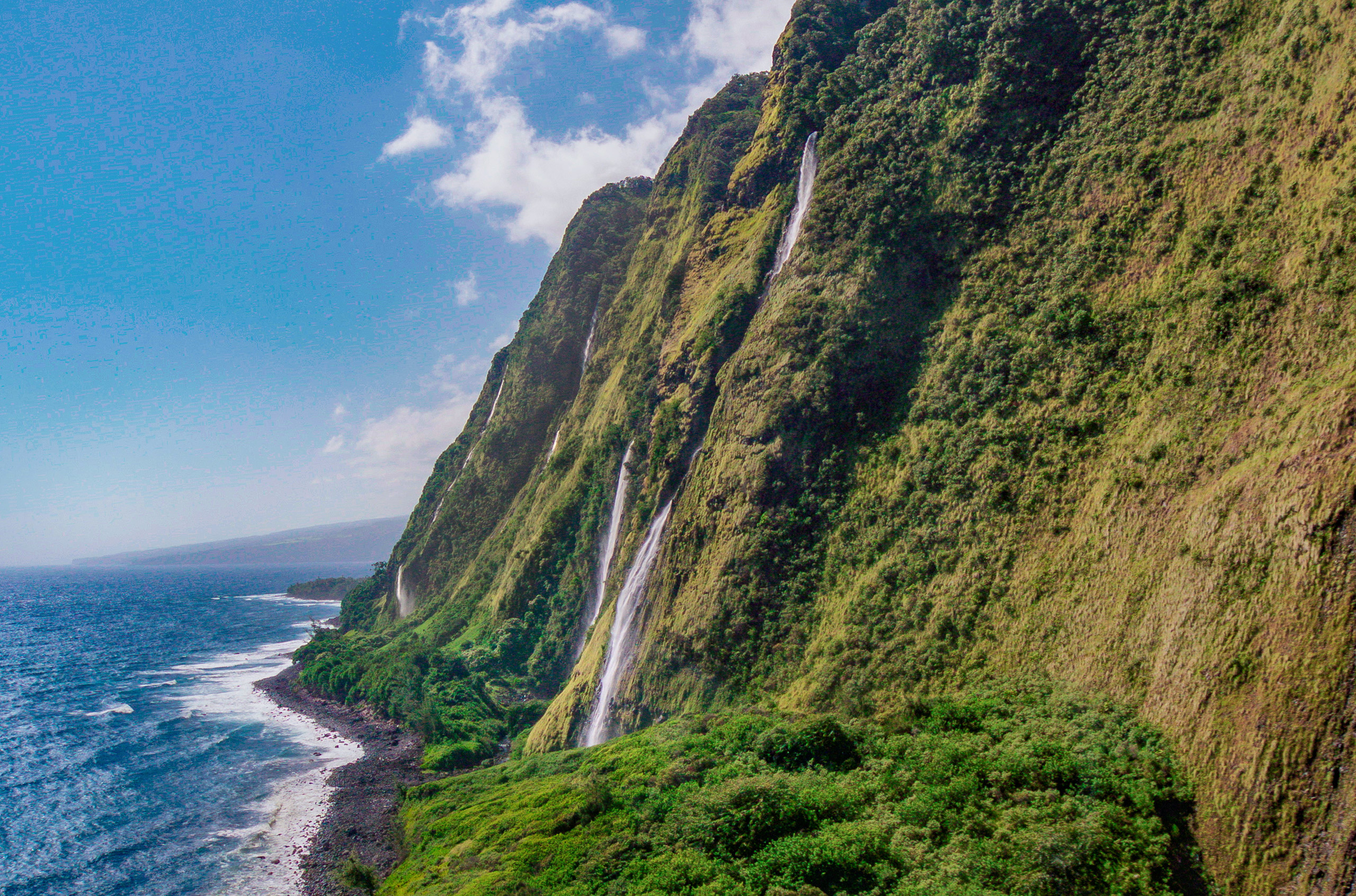
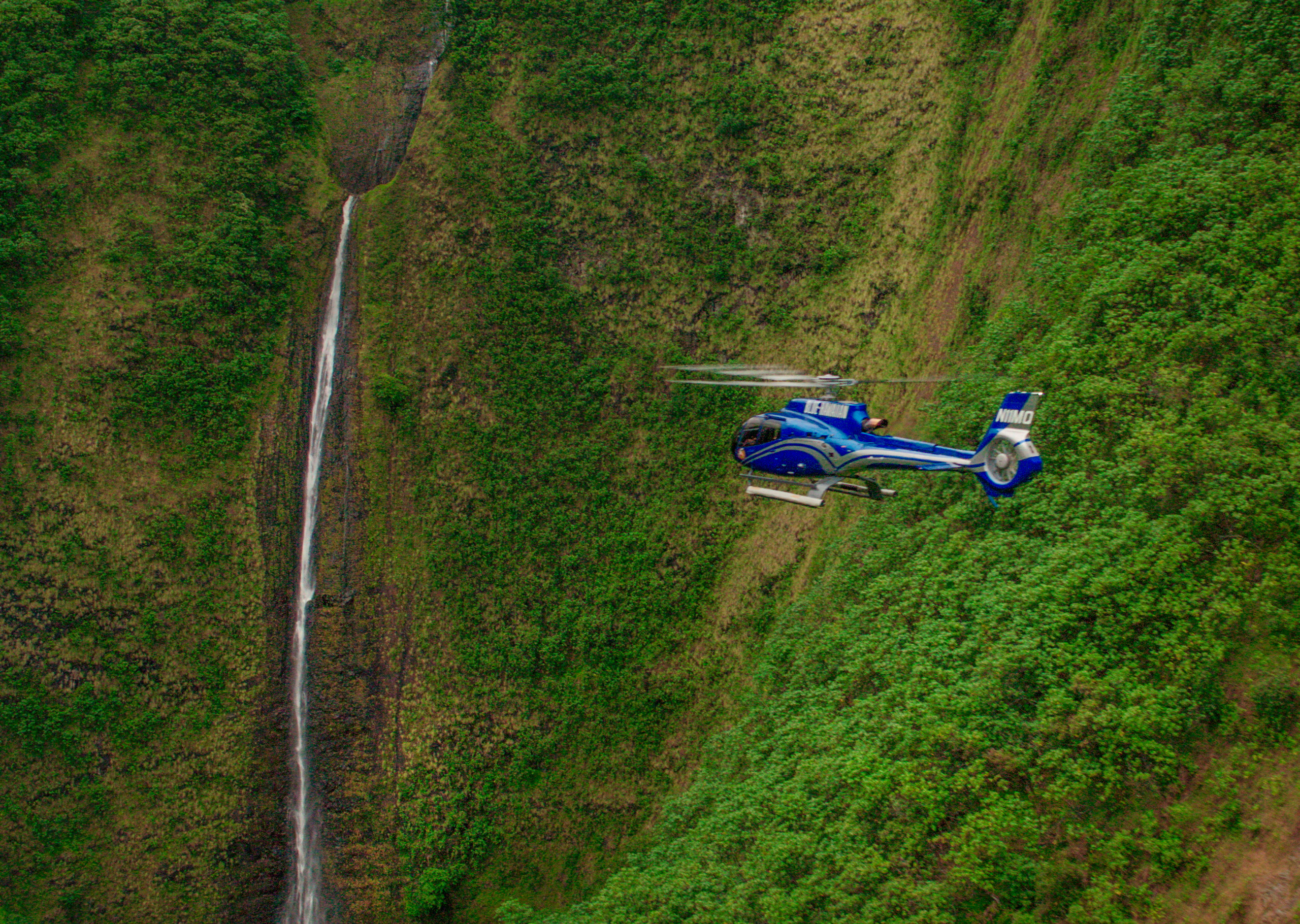
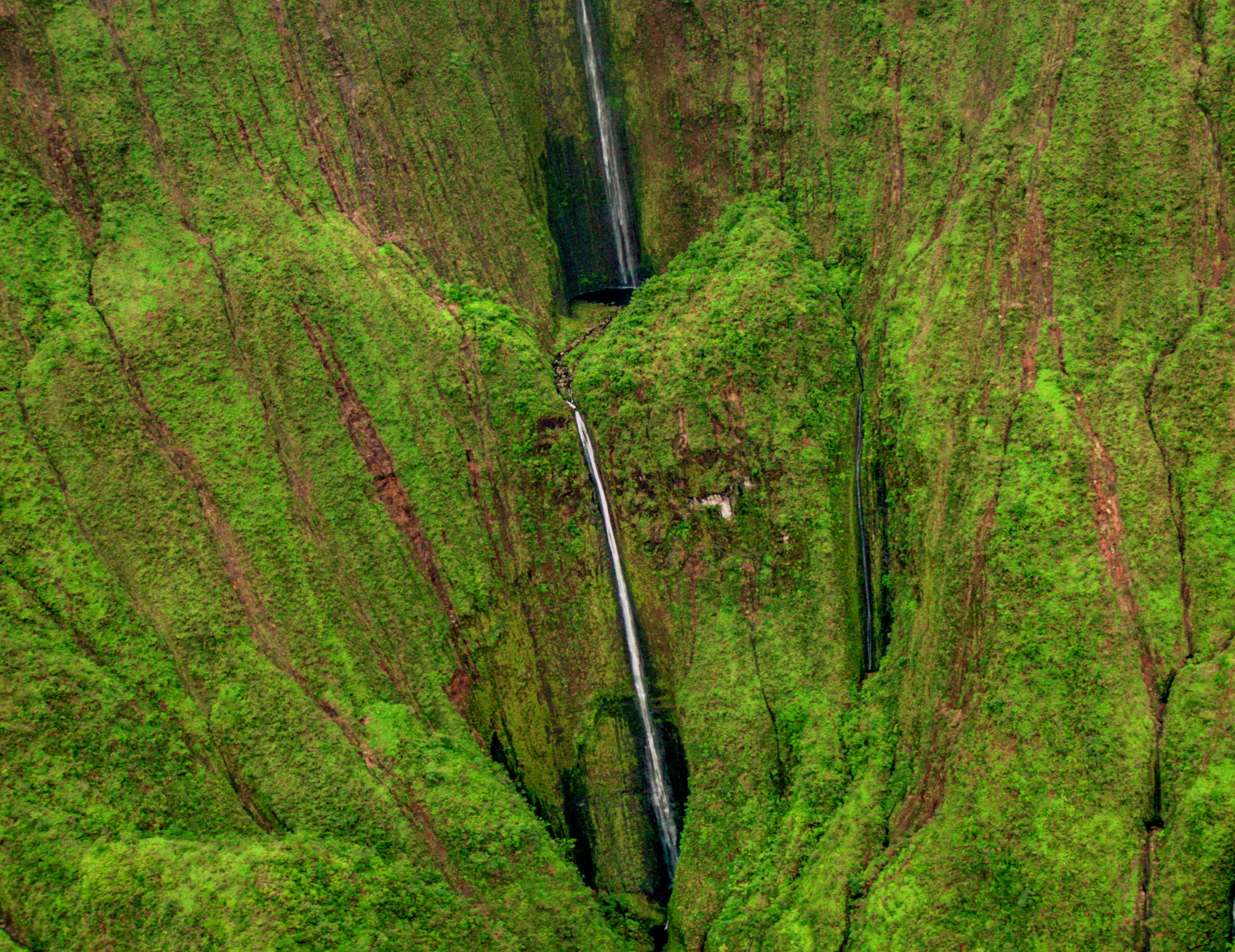
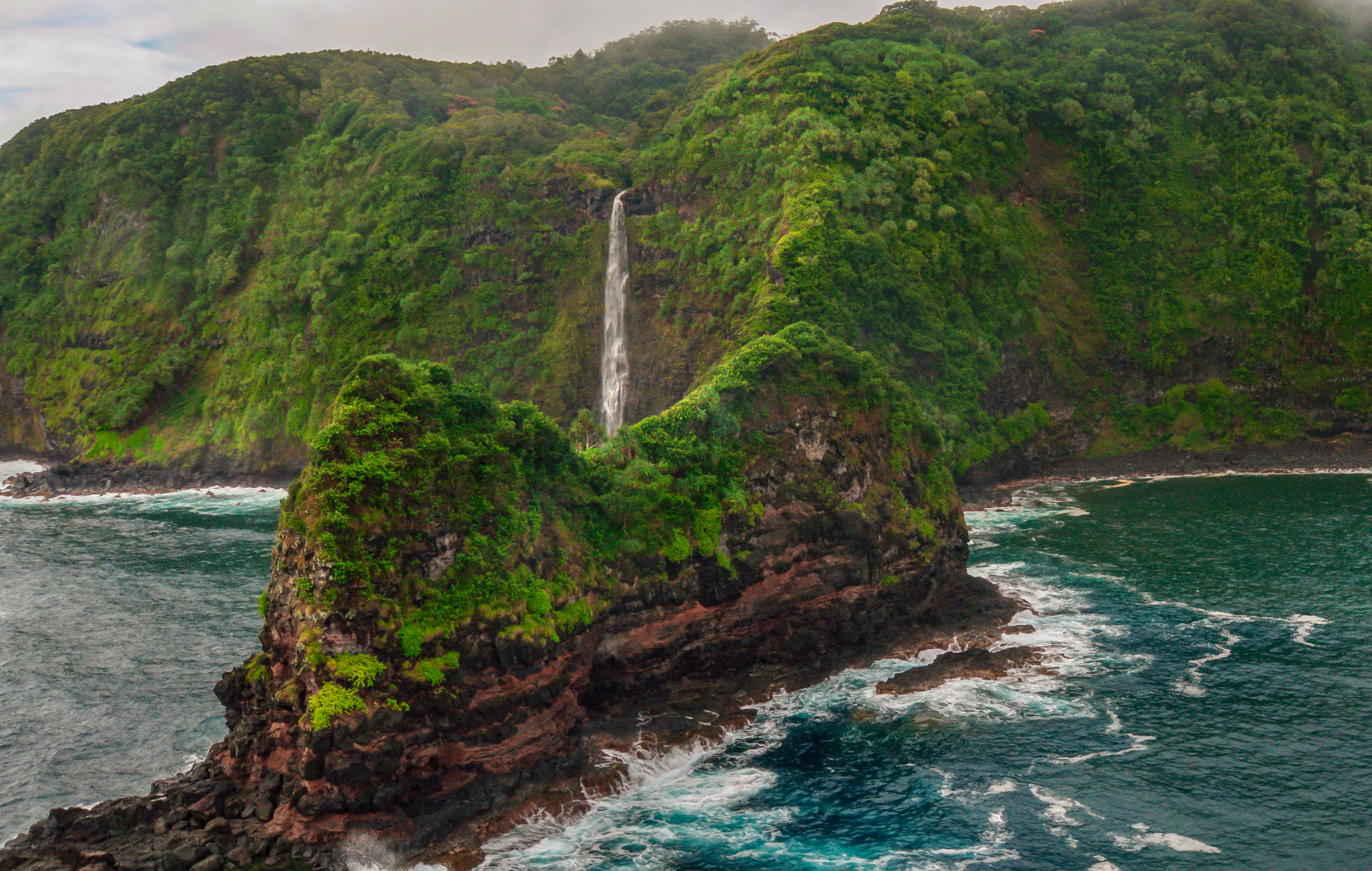
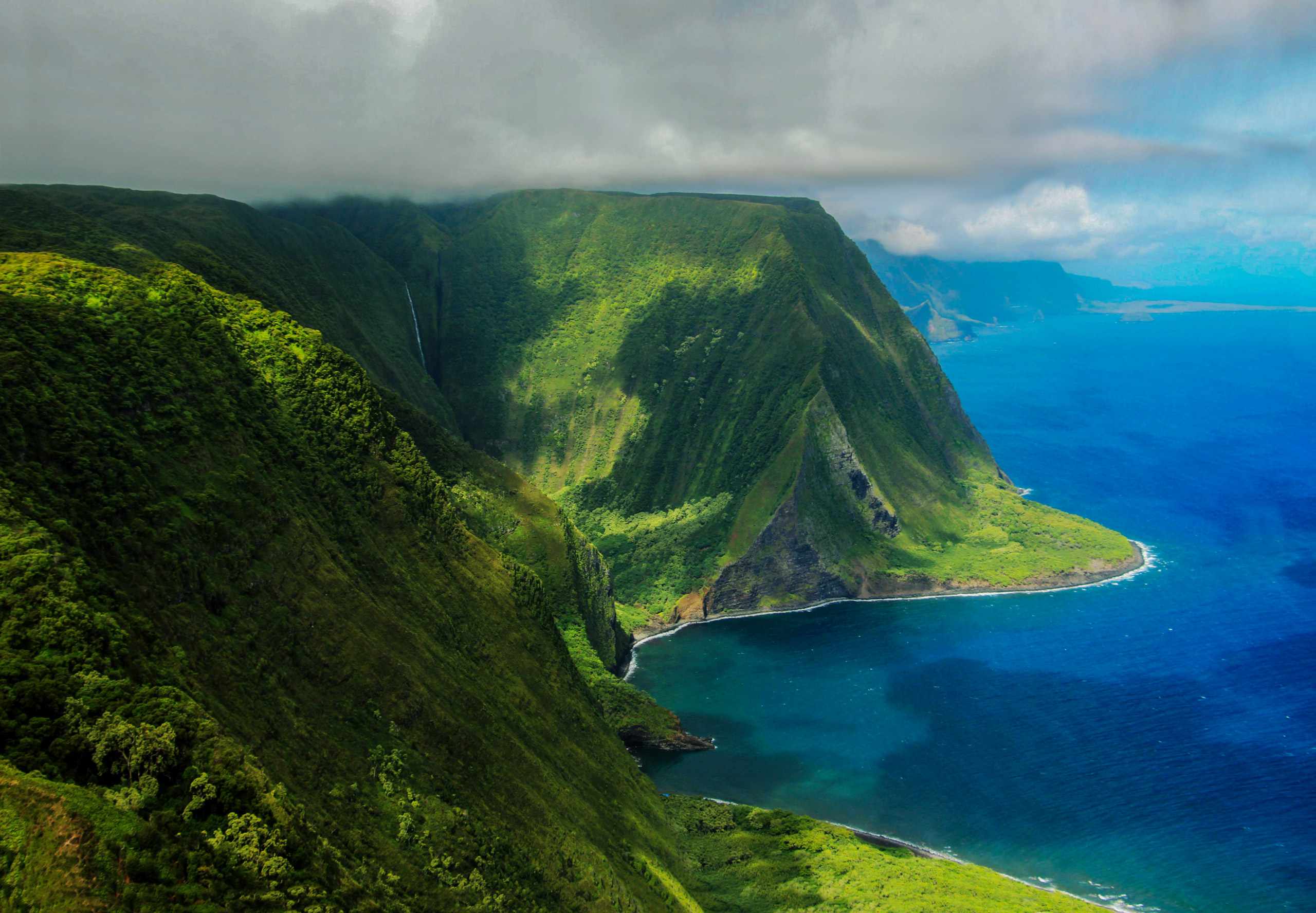
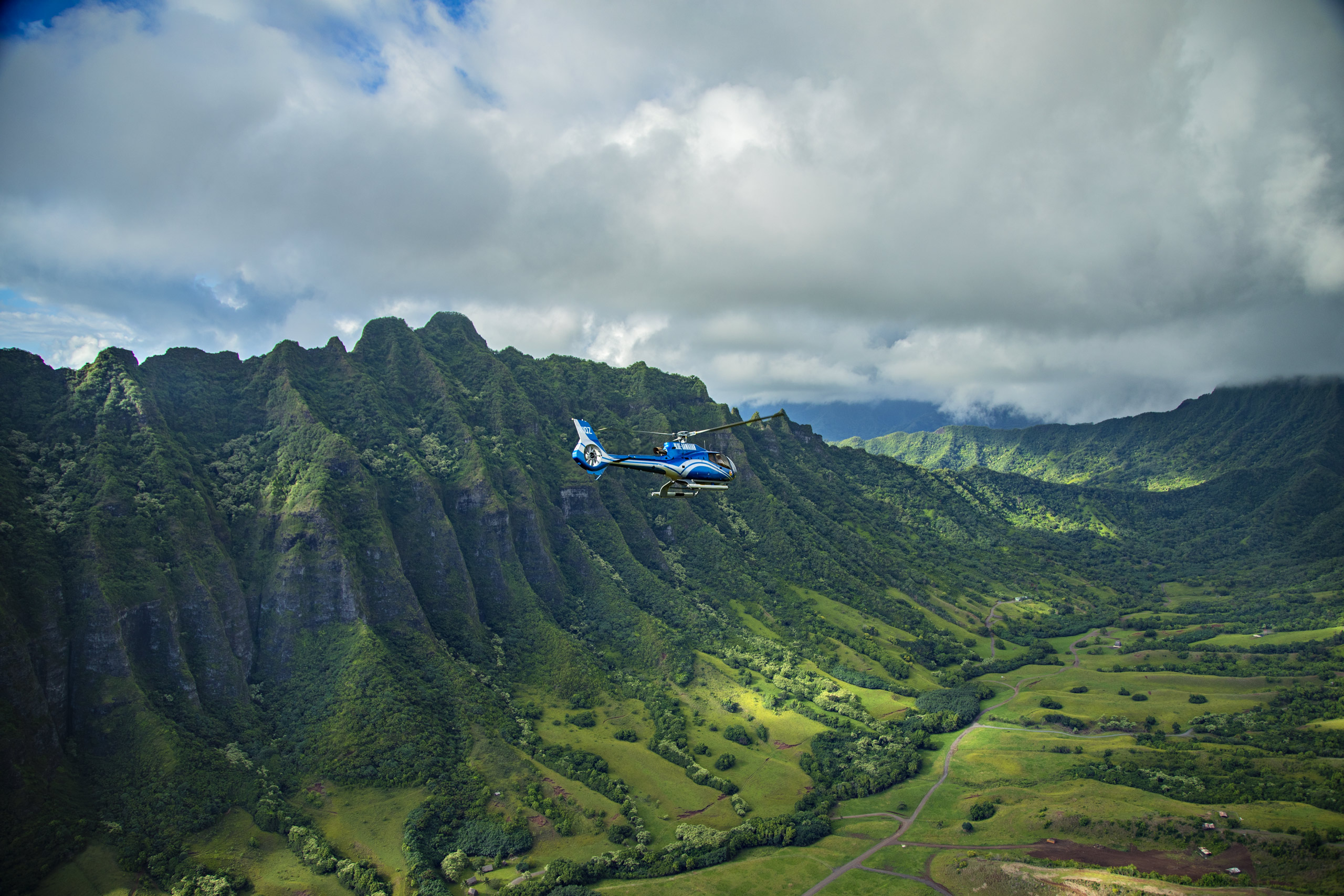
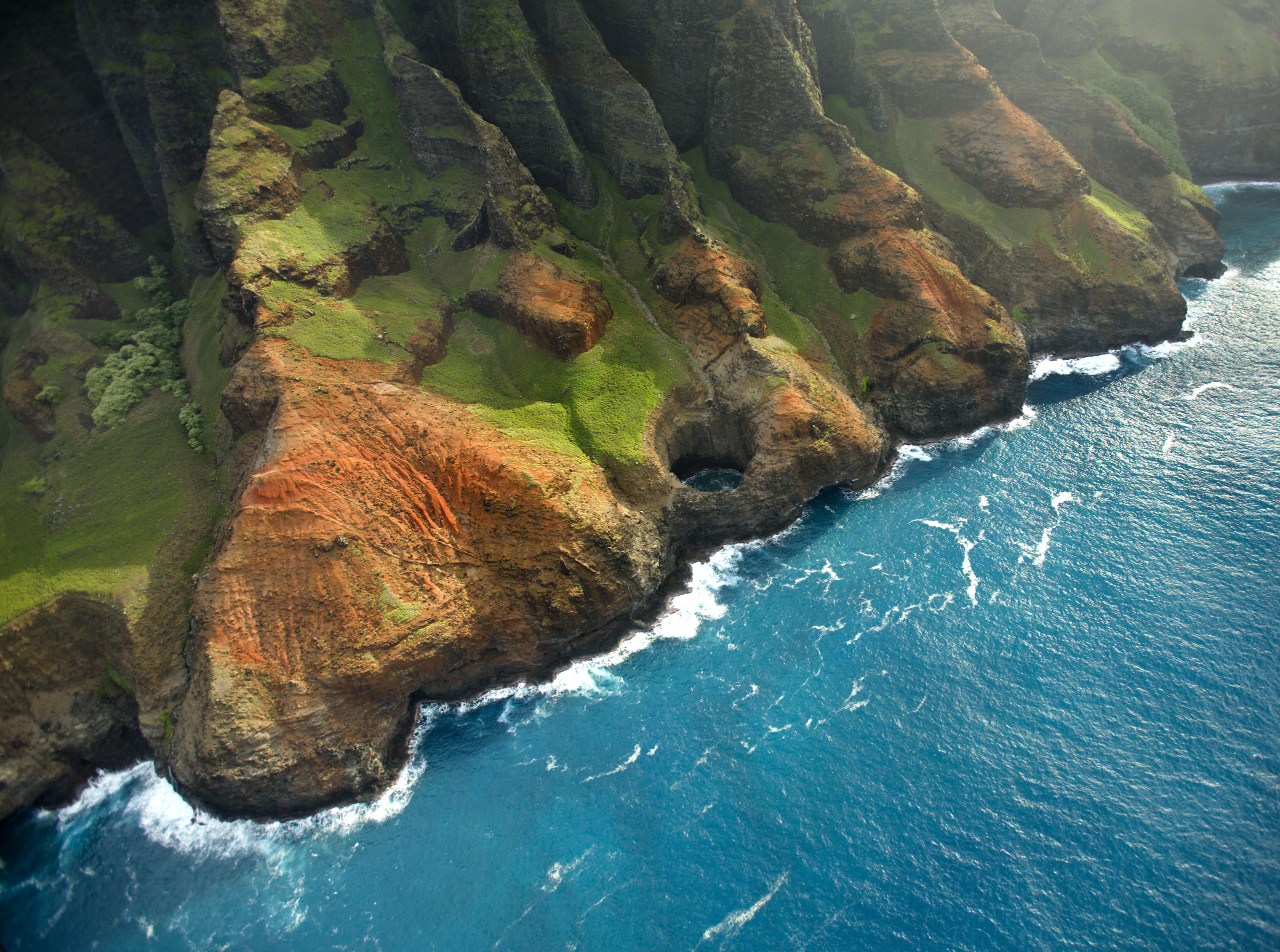
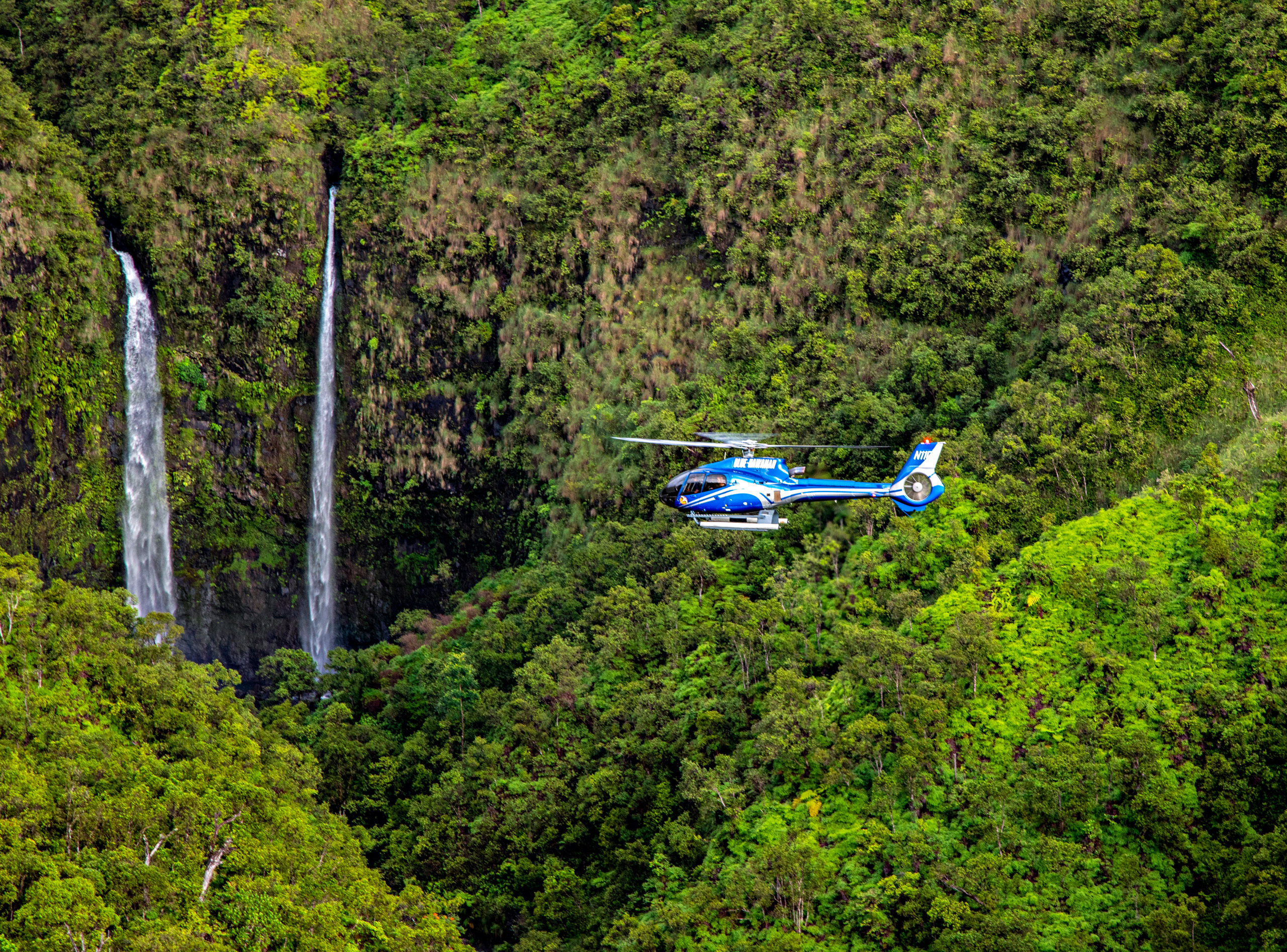
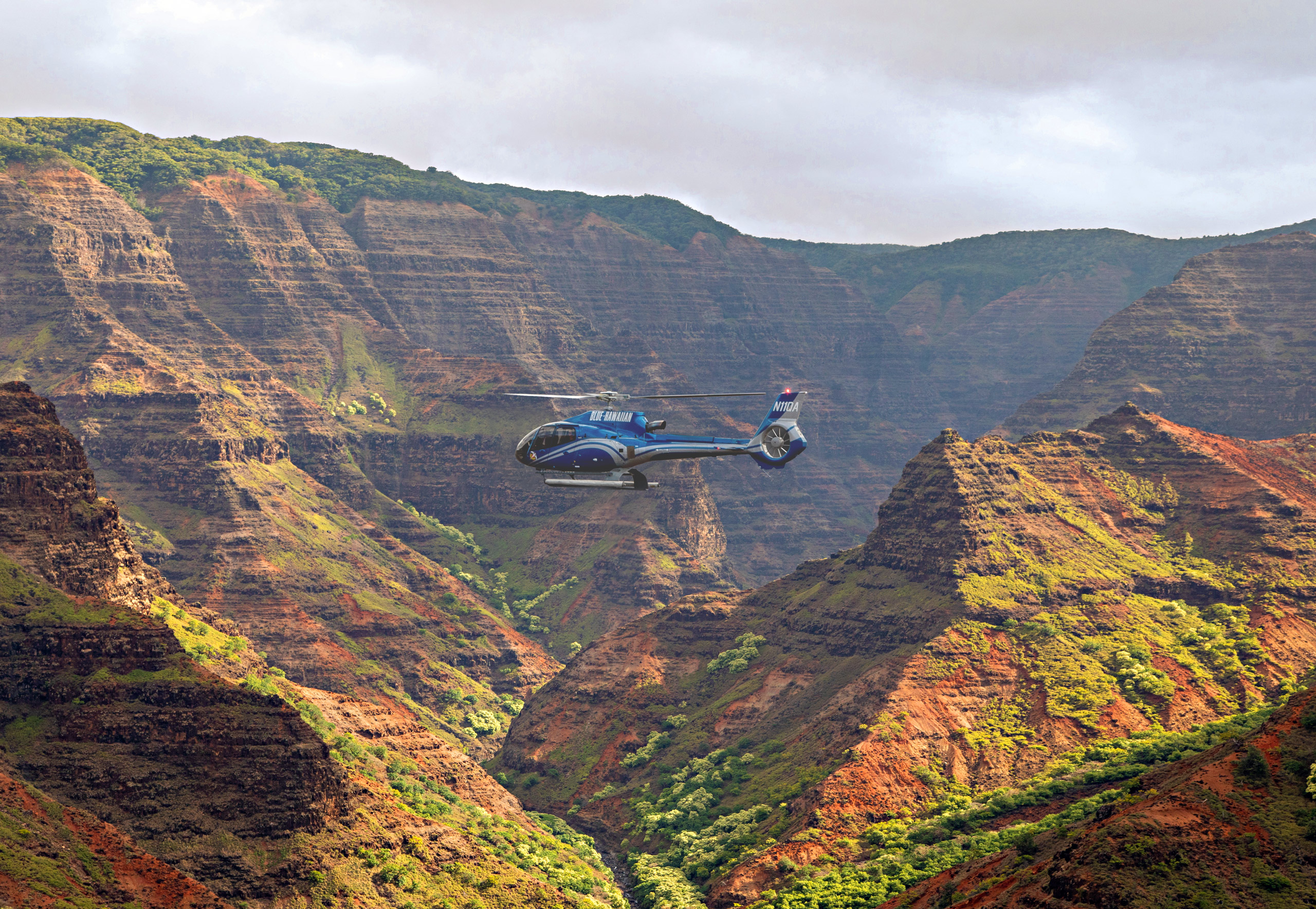
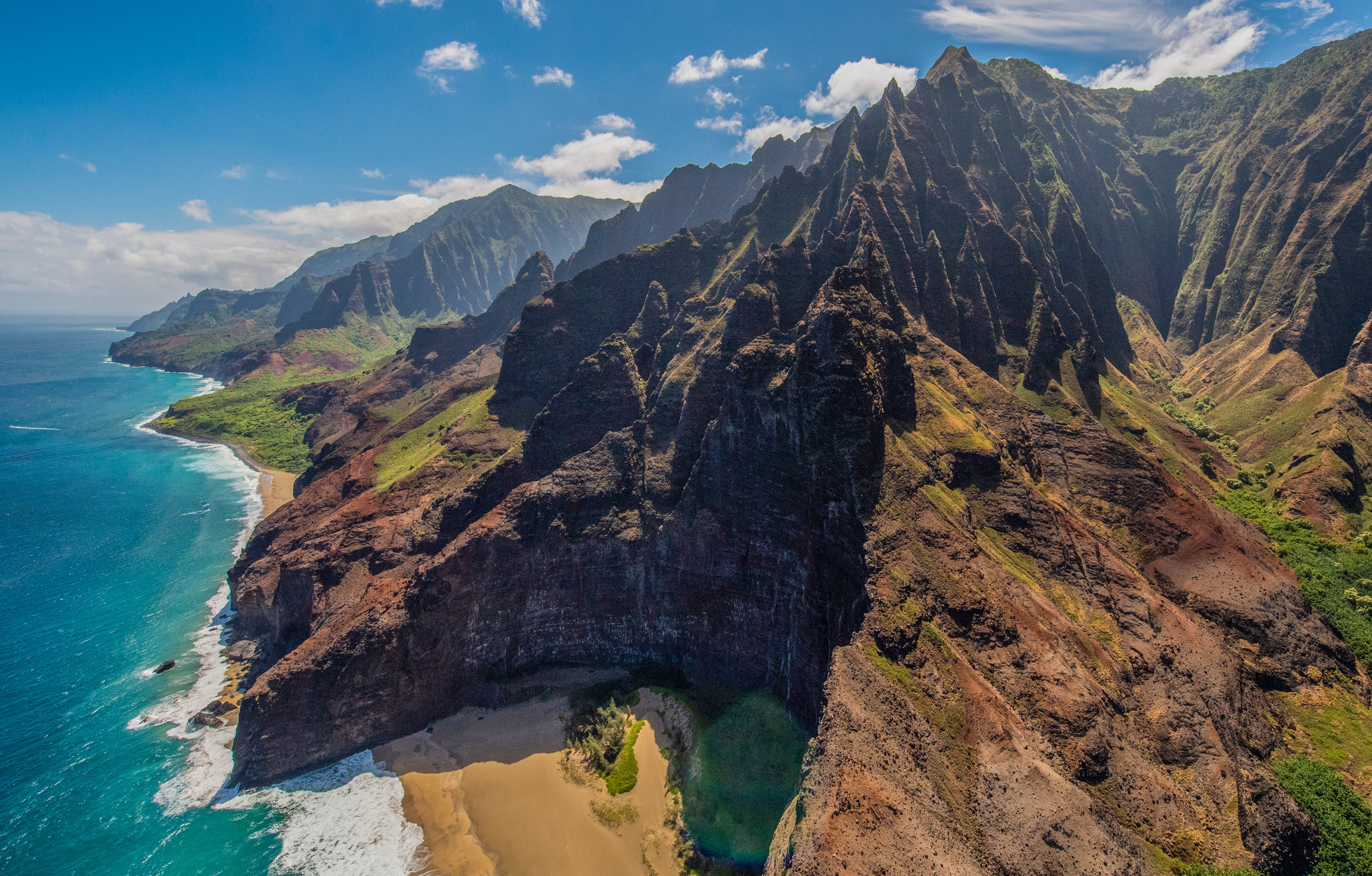
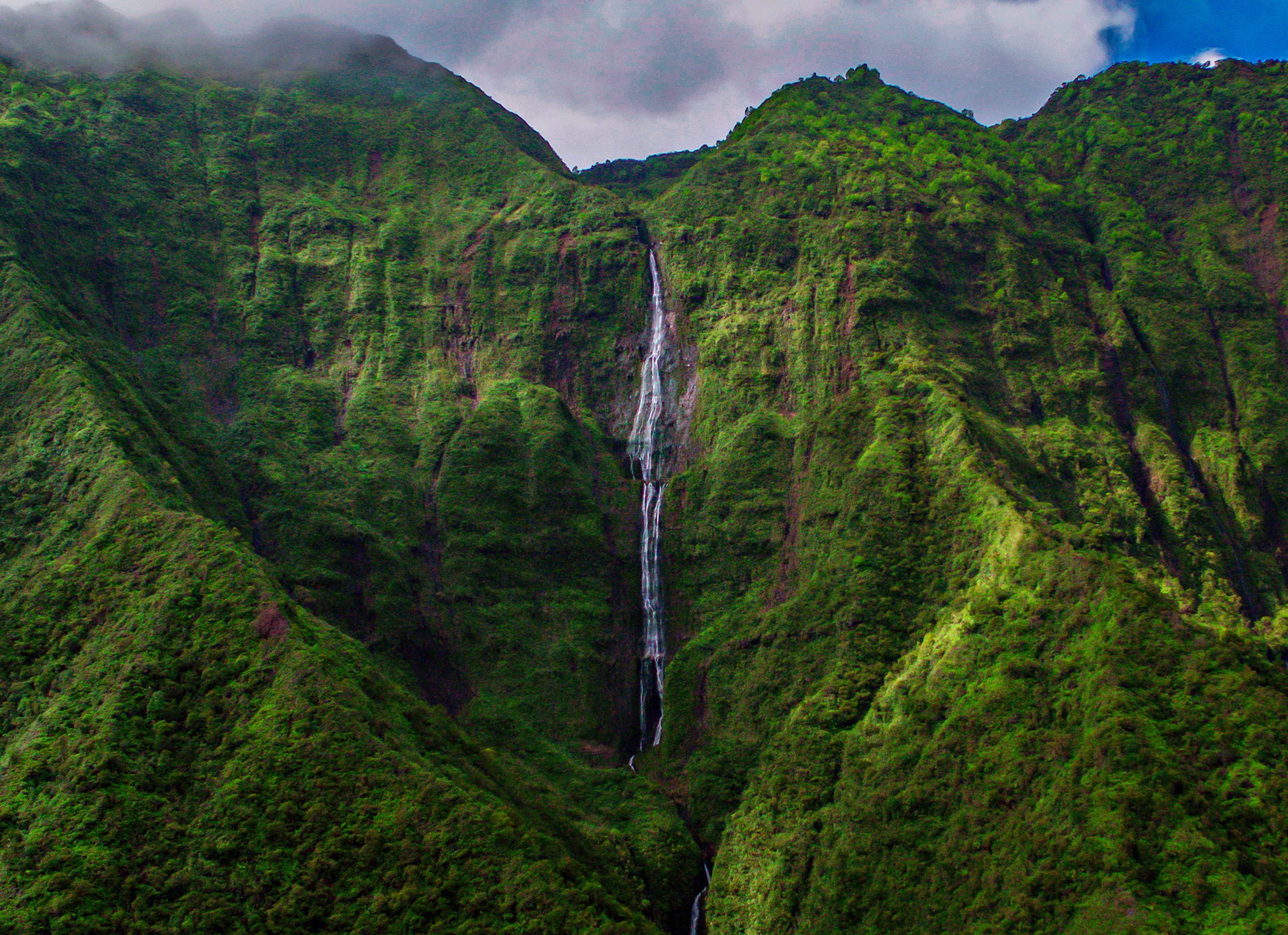
Explore Tours Photo TourSix million years of powerful natural forces have sculpted Kauai into what it is today, a natural masterpiece. The incomparable Na Pali Coast, Waimea Valley (the “Grand Canyon of the Pacific”), and stunning Mount Waiʻaleʻale (the second wettest place on earth), are among Kauai’s incredible wonders that are so remote, they are only accessible by helicopter.
Explore Tours Photo TourThe world is talking about Blue Hawaiian Helicopters. See why!
Awesome pilot, nice people. I would absolutely fly them again.

Amazing trip and totally worth the money. The chance to see parts of the island that you would normally not see is a once in a lifetime experience. Don’t pass it up!

They were awesome!!! Such an amazing experience to see the island by helicopter! The pilot even spotted a baby whale and circled back so we could watch it! Stunning views!
Great experience. I would recommend this tour to anyone who wants to enjoy life.

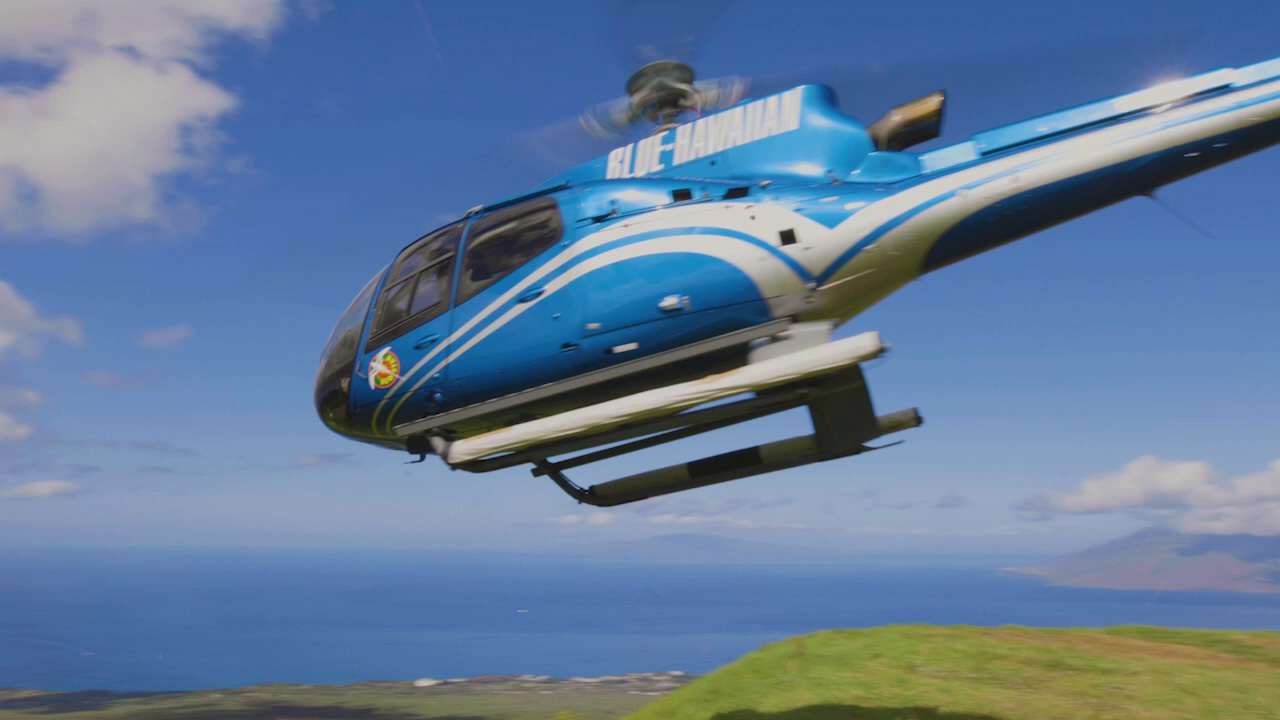
Blue Hawaiian is Hawaii‘s #1 helicopter tour company. Since 1985, it‘s been our mission to offer our guests a truly authentic experience of Aloha. From the moment you book your helicopter tour, we strive to create wonderful memories that will last a lifetime. And for us, good enough is never enough. That‘s the Blue Hawaiian difference.
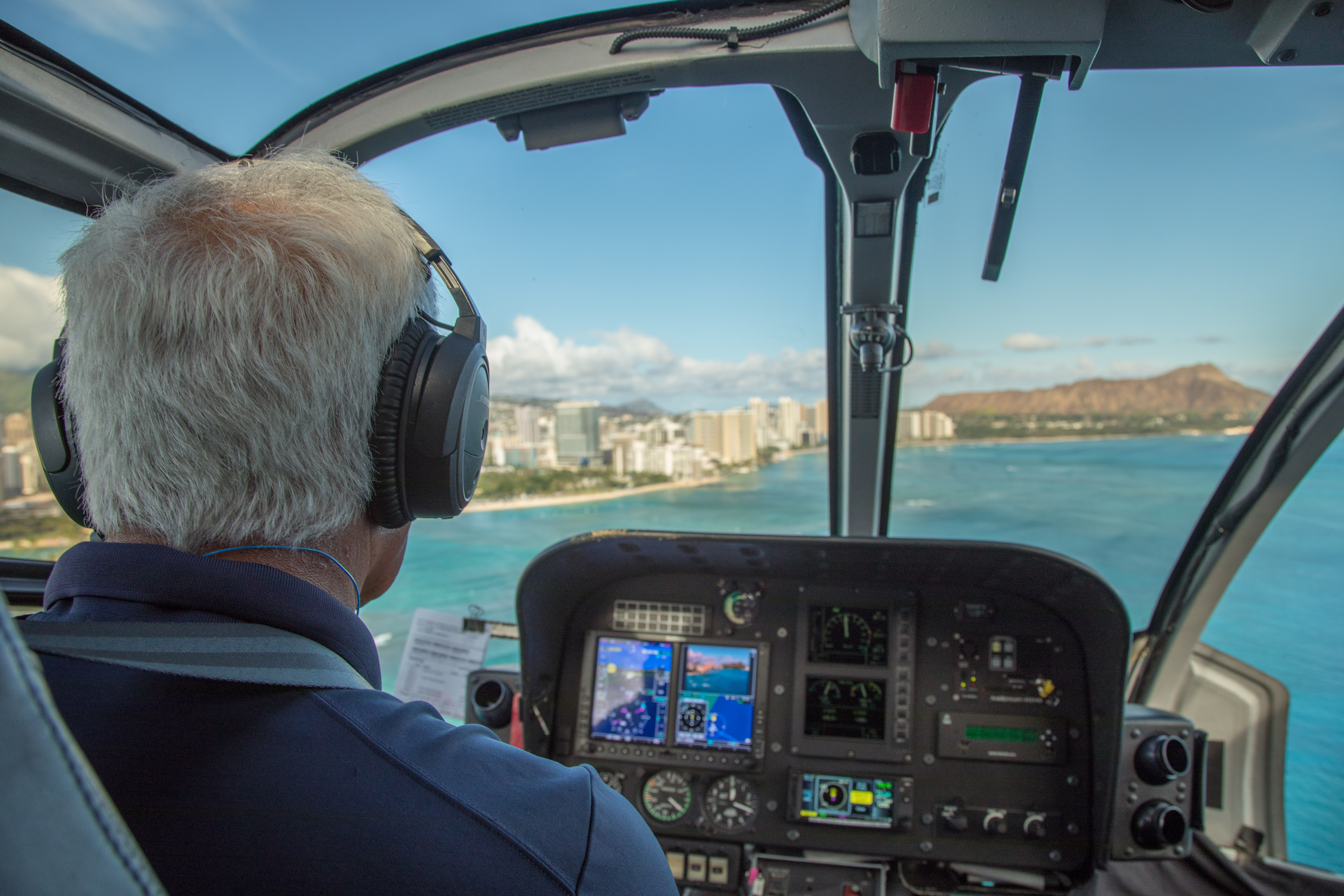
All Blue Hawaiian pilots are high-time experts, and State of Hawaii Certified Tour Guides
Learn MoreThe world's finest fleet of state-of-the-art helicopters
Learn MoreMultiple award-winning customer service, sharing the true spirit of Aloha
Learn More
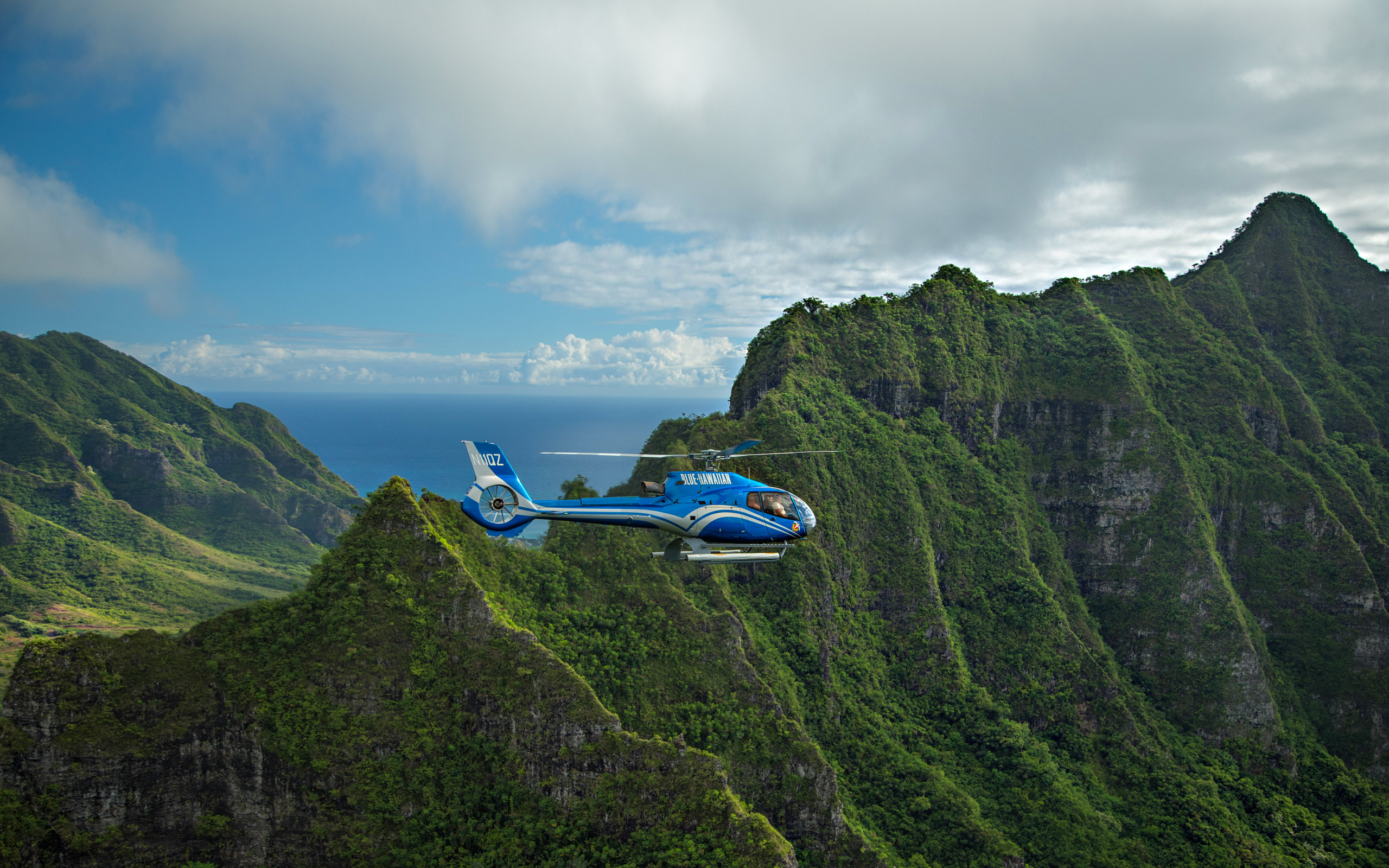
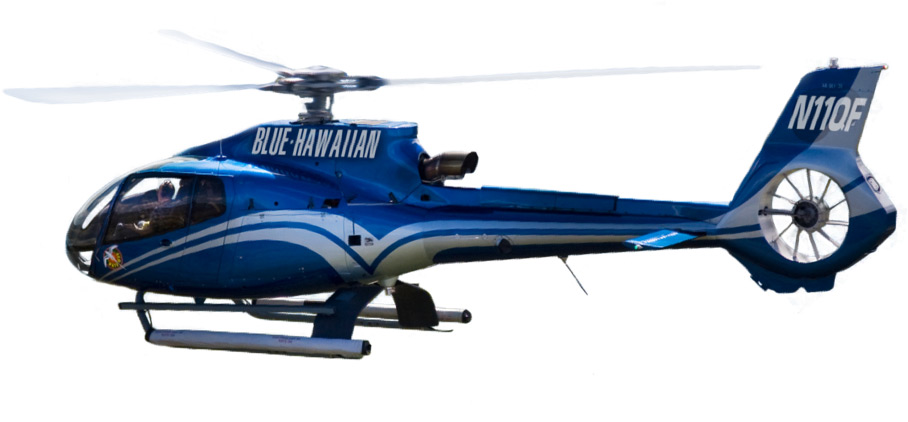
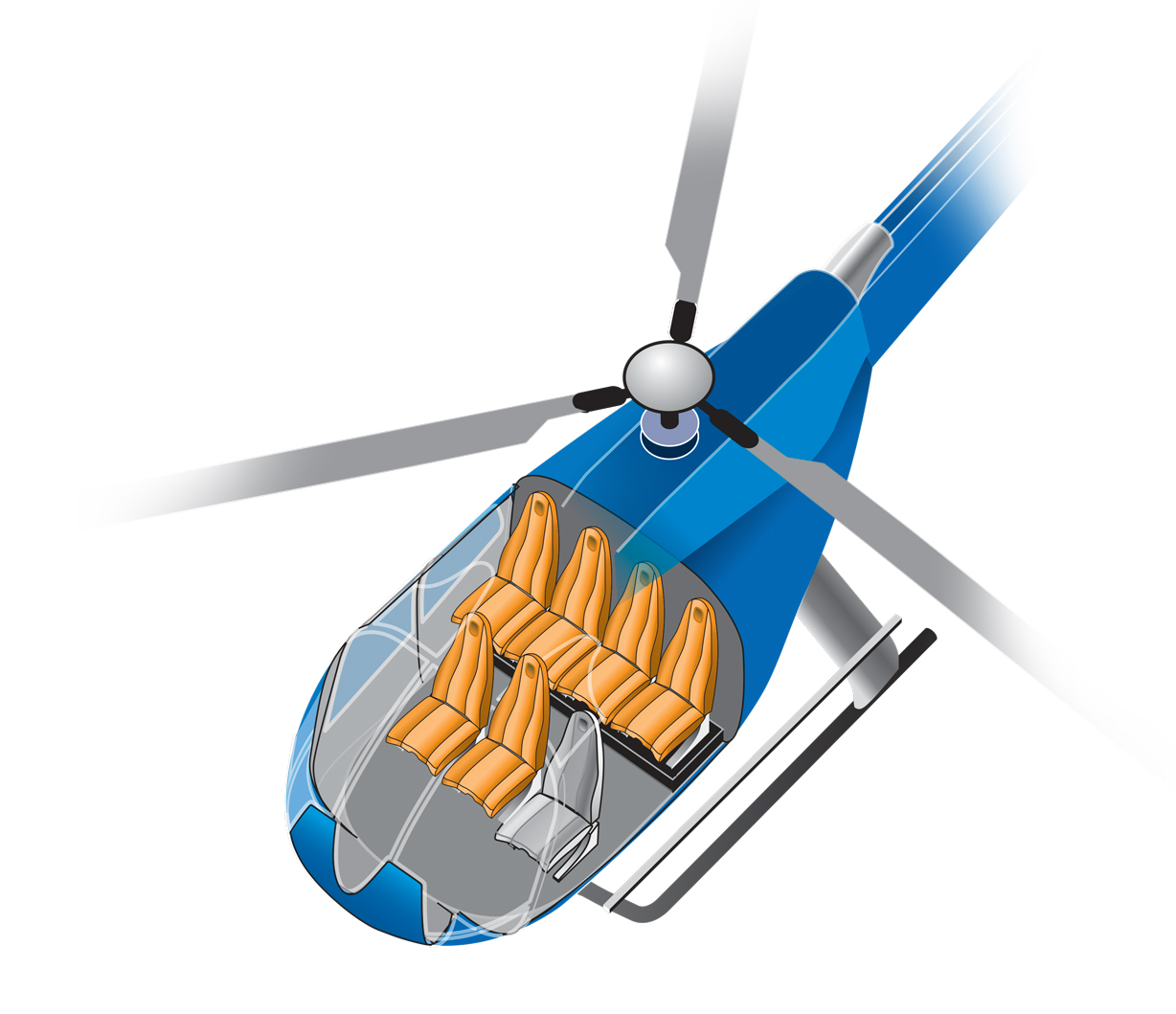
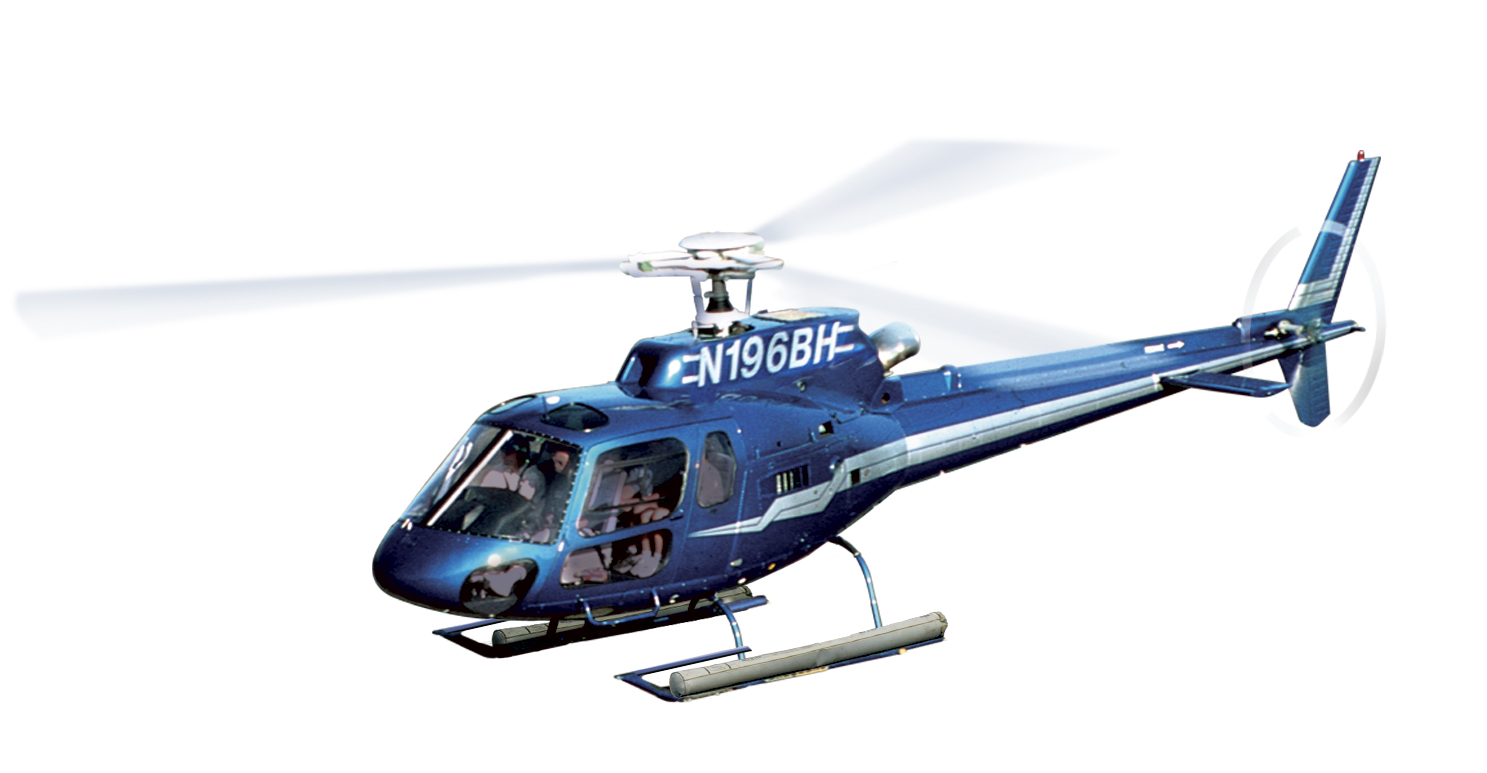
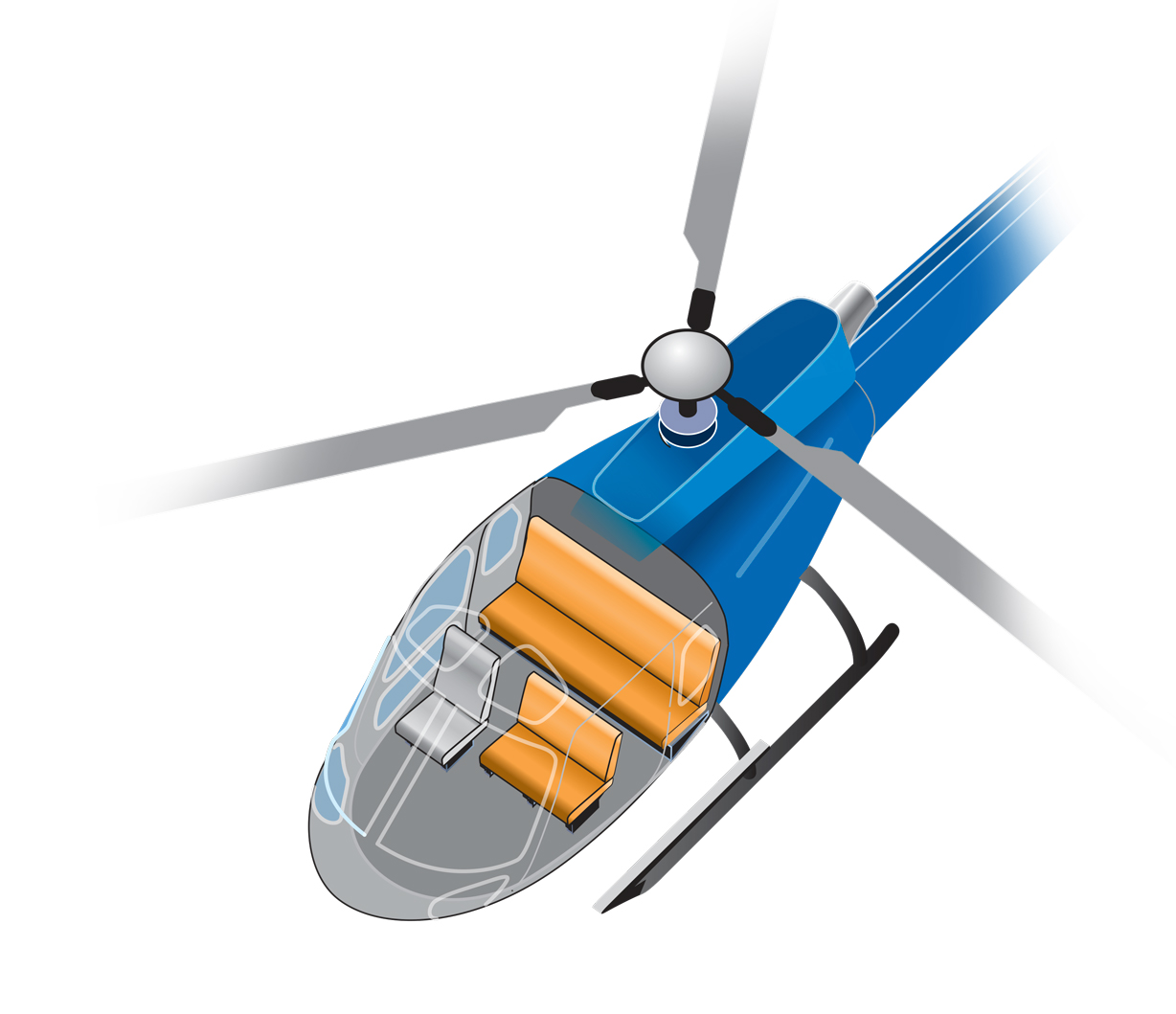
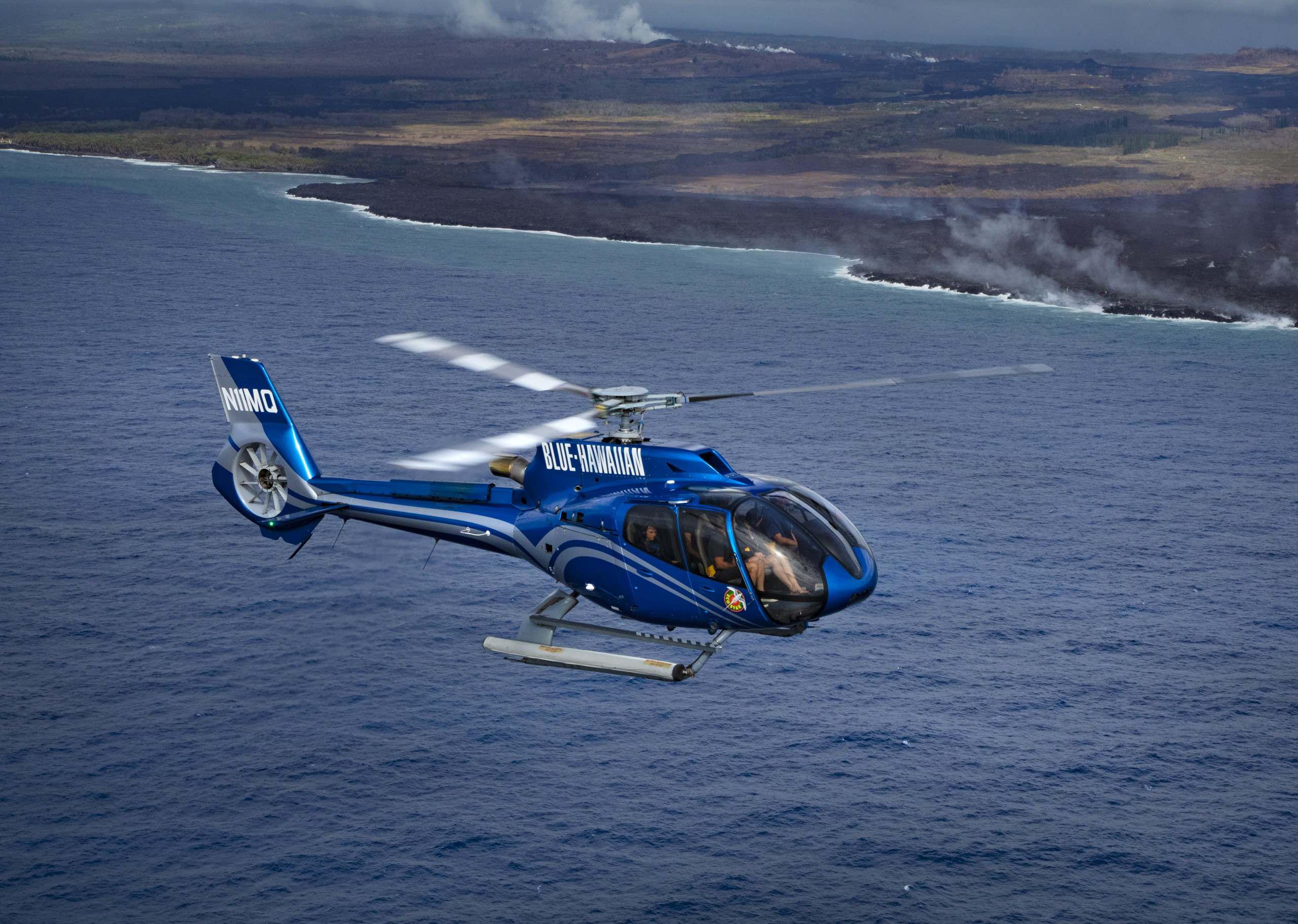
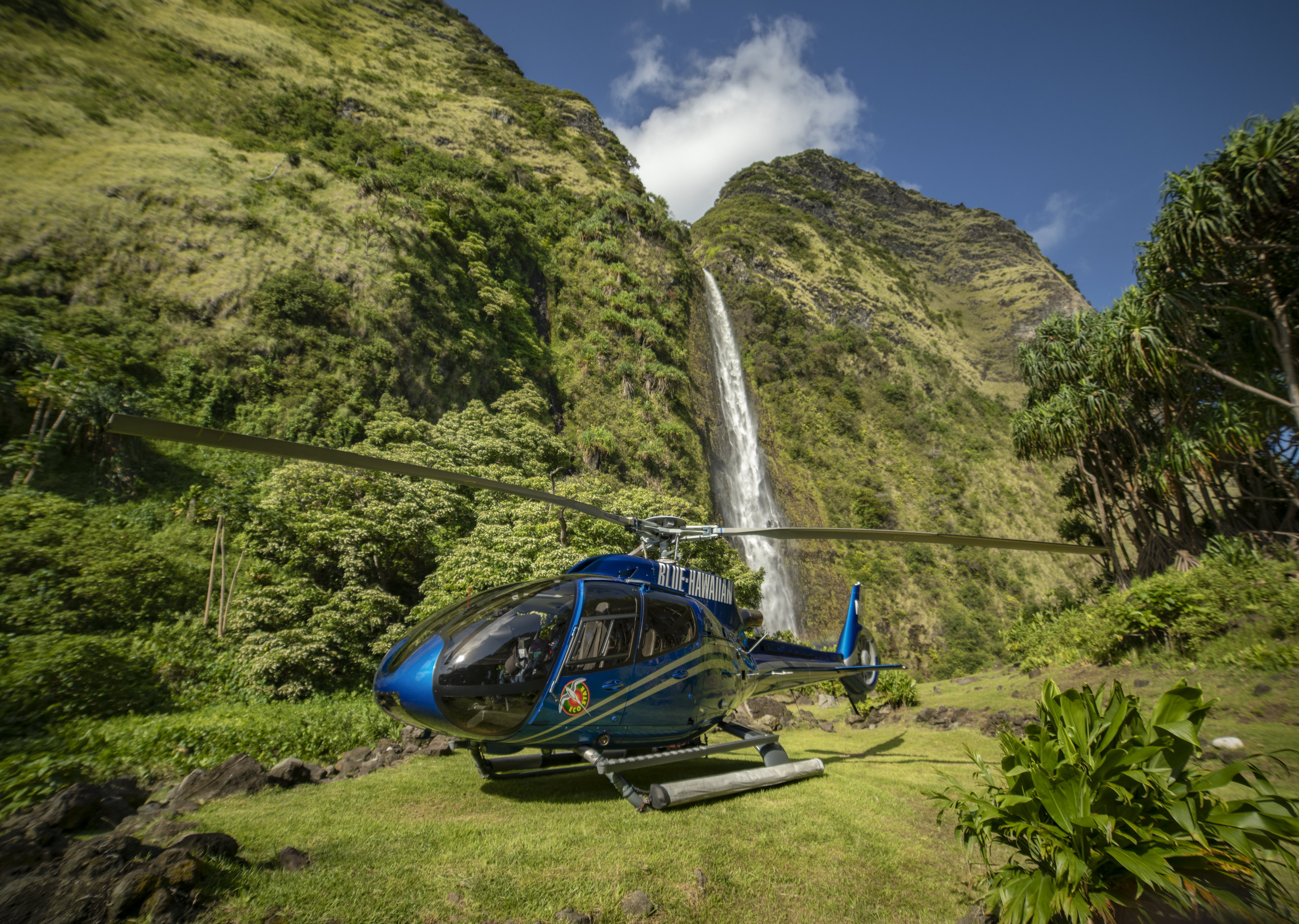
The helicopter you fly in has a huge impact on the quality of your air-tour experience. Compare Blue Hawaiian's state-of-the-art Eco-Stars and A-Stars with some other tour helicopters used in Hawaii. Check out these 360° rotatable views of the various helicopter interiors and exteriors.